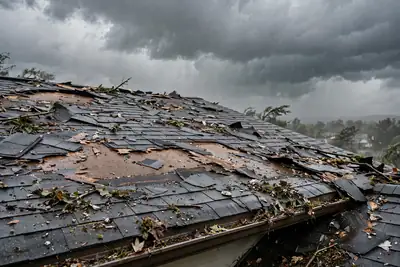
Roof leak, missing shingles, failing flashing, or storm damage on your Secaucus home? Professional roof repair services for Secaucus — from the North End's capes and split-levels to the townhome communities around Harmon Cove — with timely attention to leaks, shingle damage, flashing failures, and storm-related roofing problems.
No obligation — just a conversation about what your roof needs.
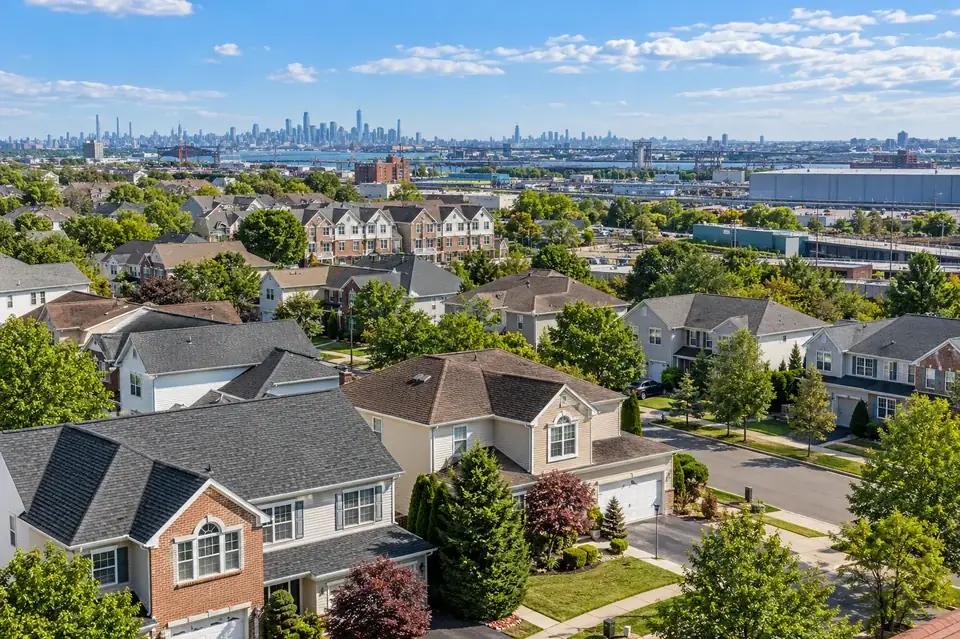
Secaucus homes range from North End capes with aging shingles to low-slope townhome roofs. Professional roof repair services for every type:
Water traced to its actual source — attic evidence first, then the roof surface — and the failed flashing, seal, or section repaired. Leaks and stains investigated, not just covered.
Lifted, cracked, or missing shingles replaced and woven into the existing field. On the North End's aging shingle roofs, granule loss and curled edges are the early warnings.
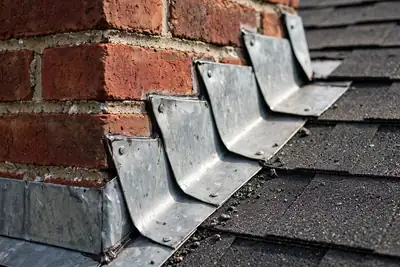
Step, counter, and base flashing rebuilt at chimneys, walls, and vents — a frequent leak source on Secaucus's older brick homes. Chimney flashing repair →
Membrane seam repairs, ponding corrections, and drain clearing. These roofs drain rather than shed water, so the water path matters as much as the patch.
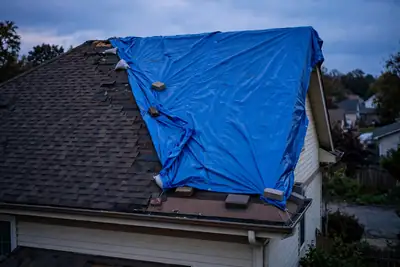
Post-storm assessments with photo documentation after nor'easters and wind events — Secaucus's Meadowlands exposure means wind arrives with little to break it. Storm damage repair →
Sound decking versus rot discovered once the roof is opened — the structural layer beneath the visible roof replaced where it's compromised.
Different roof types call for different repairs. Describe your roof and the symptoms when you call.
Yellow-brown rings appearing after wind or heavy rain. Next step: note which weather triggers it — wind-driven leaks and gravity leaks can have different sources.
Gaps or curled edges visible on sloped sections, often after wind events. Next step: each gap is an entry point; have it checked before the next rain.
Water appearing near a fireplace, flue, or vent. Next step: these are usually flashing failures — they spread rather than seal themselves.
Water standing more than a day or two after storms. Next step: persistent ponding stresses seams and points to drainage or slope issues.
Separated or lifted metal where roof meets wall or chimney. Next step: flashing gaps are a frequent way water gets in — don't wait on them.
Leaks that only appear during driving rain suggest wind-lifted edges or compromised seals. Next step: mention the wind connection when you call — it narrows the diagnosis.
Roof leaks can involve more than the area where water becomes visible indoors. The appropriate repair depends on the roof system, the damaged component, and how water enters the building:
Attic evidence first — water trails, stained decking, daylight at penetrations — then the roof surface, working uphill and upwind from the interior stain. The two sets of evidence have to agree before work is scoped.
Damaged shingles replaced individually and woven into the existing field. Matching thickness and coursing alignment matters more than exact color — a proud patch creates a new water channel.
Seam repairs, ponding corrections, and drain clearing on low-slope roofs. A patch over standing water without correcting the water path is temporary — the drainage has to be fixed, not just covered.
Step, counter, and base flashing at chimneys, walls, and penetrations — a detail where leaks often begin. Metals must be compatible: copper against galvanized steel causes galvanic corrosion that eats the joint.
New work has to integrate with old. Incompatible materials, mismatched thickness, or wrong fastening create new failure points — the repair should disappear into the existing roof, not sit on top of it.
An inspection defines what failed and what the fix includes. Hidden damage found on opening — rotted decking, saturated insulation — expands the scope; that's assessed and agreed before proceeding, not discovered in the invoice.
Caulk alone is not a repair. Sealant works as the gasket behind correctly lapped and fastened materials — a bead of caulk on its own fails again within a few seasons.
Your property won't have all of these — but whichever apply will shape the inspection and the repair plan. Mention your home type when you call.
Most roof wear can be scheduled. An emergency is when water is entering, the structure is compromised, or the roof is open to weather with more rain on the way.
In Secaucus, big commercial flat roofs can pond and fail suddenly — a wide new stain after rain deserves an urgent look.
In Secaucus, ponding only gets worse while you wait: Emergency help →. Winter brings snow load and ponding across big flat expanses: Winter roof emergencies →
Roof leaks and damaged roofing materials should be assessed before the problem spreads. Call to discuss roof repair options in Secaucus.
Call (201) 330-4743The work begins with identifying the source of damage and agreeing on the repair scope. The steps below show the typical sequence for shingle, low-slope, and flashing repairs:
Visible symptoms documented, then the roof and attic inspected — ridge and eave lines, flashing details, membrane seams, and drainage checked against the symptoms.
What failed and why: the entry point, the failed detail, and the condition of surrounding materials — explained plainly, with the evidence shown.
The repair defined — what it includes, what materials, what could expand it — and the estimate based on those findings. Nothing starts until the scope is approved.
The repair completed with proper lapping, fastening, and material integration — then checked, including after the next rain, to confirm the problem is resolved.
One failed flashing run or a single wind-damaged section is a repair — anyone claiming otherwise without evidence is selling, not diagnosing. That said, a single visible leak doesn't guarantee a simple fix. A practical way to frame it:
The call depends on damage extent, overall roof condition, material compatibility, and system age — documented with evidence you can see, not just asserted.
There's no price menu for roof repair — the job sets the price. What moves it:
One flashing run versus multiple zones — the area and system involved drive labor and materials.
A low residential slope versus a multi-story face — access and safety setup change the price.
Standard shingles versus tile or specialty membranes, which cost more to source and install.
A simple shingle section versus a full chimney flashing rebuild with step and counter flashing.
Sound decking versus rot found on opening — what's underneath can't be priced sight-unseen.
Emergency dispatch costs more than scheduled work — that's normal. A firm number only exists after inspection.
HOA coordination can add time in community housing — plan for that alongside the price. No ranges are listed because no honest number exists before someone inspects your roof.
Document everything — photos of the interior damage, dates, weather conditions — and get a roofer's written assessment of the exterior failure. That documentation is what moves an association to act. And check your governing documents: responsibility varies by property, so confirm the arrangement in writing rather than assuming.
Usually, yes — if the failure is localized. One bad flashing run, a wind-damaged shingle section, or a single failed seam is a repair. What matters is whether the rest of the roof system is sound, which an inspection should document before anyone recommends more.
Contain it first: buckets under drips, move furniture and electronics, and don't go on the roof yourself. Then call — an active leak needs urgent attention, and emergency tarping can stop the damage today while the permanent repair gets scoped after.
Individual damaged shingles can be replaced and woven into the existing field — that's routine repair work. Full replacement only enters the conversation when damage is widespread, the system is aging out, or repeated repairs keep failing.
Yes — membrane seams can be repaired, ponding corrected, and drains cleared. But recurring leaks in the same spot usually mean the underlying cause (ponding, failed substrate) wasn't addressed. The fix has to resolve the water path, not just cover it.
The type and extent of damage, roof access and height, material type, repair complexity, hidden moisture found on opening, and whether it's emergency or scheduled work. In HOA communities, association coordination can add time. A firm number only exists after inspection.
Yes — and it's worth doing promptly. From the ground, check ridge line straightness, missing or lifted shingles, and granule piles at downspouts; from inside, look for new stains and attic daylight. Then get a professional post-storm assessment — wind damage isn't always visible from the street.
What's included in the scope, what happens if hidden damage is found, how the repair gets verified, and whether permits are needed. If you're in an HOA, ask what documentation the association will need. And verify license and insurance yourself — that's your responsibility, and the most important check.
Some roof problems need a specialist's focus. These dedicated guides cover the key ones:

Step and counter flashing rebuilt around brick chimneys — a frequent leak source on Secaucus's older homes.
Flashing repair
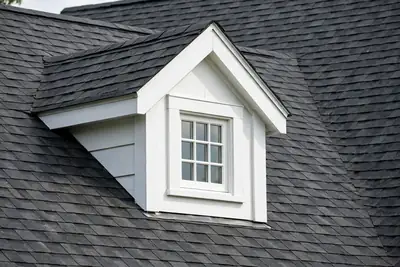
Leaking dormers on capes and split-levels — flashing, siding transitions, and valley work.
Dormer repair
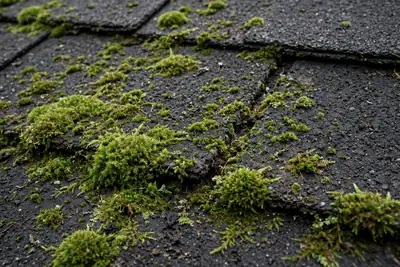
Shingle-safe moss, algae, and lichen treatment for shaded Secaucus lots.
Moss removal
Cracked and slipped tiles replaced individually without breaking the surrounding field.
Tile repair
Active leaks and storm damage — urgent response when water is coming in now.
Emergency help
Leak, storm damage, or shingles coming loose — call to discuss the problem and available repair options for your Secaucus home.
Call (201) 330-4743Emergency calls answered 24/7.
View the Secaucus service area. This map illustrates the community rather than a contractor office.