24/7 Emergency Roof Repair — Union City, NJ(201) 330-4743
Union City Roof Repair Call (201) 330-4743

Tile Roof Repair in Union City, NJ

Cracked, slipped, or storm-scattered roof tiles need tile-specific repair — not shingle-roofer guesswork. Tile roof repair in Union City covers individual tile replacement, slipped-tile reseating, underlayment diagnosis, and flashing repair at tile transitions.

  • Individual tile replacement — broken clay and concrete tiles swapped without disturbing the surrounding field
  • Underlayment-first diagnosis — the membrane beneath does the waterproofing; it gets checked with every repair
  • Emergency calls answered 24/7 — exposed underlayment after storms gets urgent attention
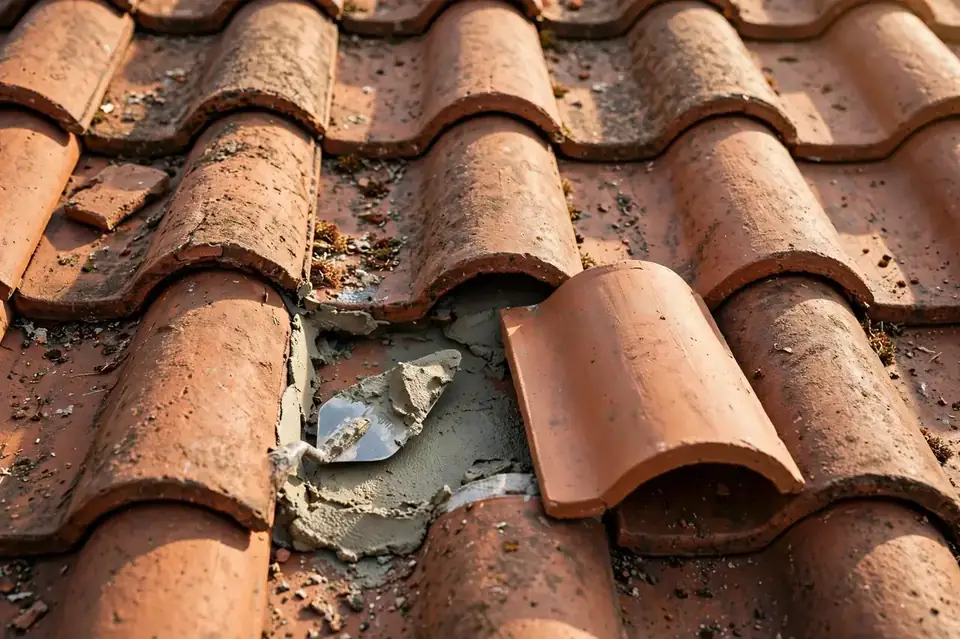
Clay tile roof repair in Union City NJ
Illustrative roofing image — not an actual customer project.

Cracked and Slipped Roof Tile Repairs

The core tile repairs — each a specific job, not a generic patch:

Cracked Tile Replacement

Impact, freeze-thaw, or foot traffic cracks individual tiles. Surrounding tiles are carefully lifted, the broken tile removed, and a matching replacement fastened in — the field around it stays intact.

Slipped Tile Reseating

Corroded fasteners or wind let tiles slide down-course, exposing underlayment in strips. Slipped tiles are reseated, refastened to sound battens, and the fastener line checked for further corrosion.

Storm-Scattered Tile Repair

Nor'easter winds dislodge tiles across sections. The damage gets mapped as a whole — not discovered tile by tile mid-job — then each area is repaired and the underlayment beneath assessed.

Tile Matching & Sourcing

Replacement tiles must match profile, size, and color. Current-production tiles are routine; discontinued lines may need salvage sourcing — one reason to address tile damage while matches are still available.

Signs of Tile Roof Damage

Cracked or broken tiles

Visible gaps or misaligned tiles, sometimes with pieces in the yard after wind. May indicate: impact or freeze-thaw damage. Next step: the underlayment beneath the break is now exposed — have it checked.

Tile fragments in gutters

Broken pieces washing downspouts. May indicate: tiles failing faster than visible from the ground. Next step: a section-by-section check to map the damage.

Water stains on ceilings

Interior staining beneath a tile roof. May indicate: underlayment compromise, not just a tile problem. Next step: attic-side inspection to see whether water has passed the membrane.

Slipped tiles after wind

Tiles slid down-course in strips. May indicate: corroded fasteners or wind uplift. Next step: reseating plus a fastener-condition check across the section.

Debris packed between tiles

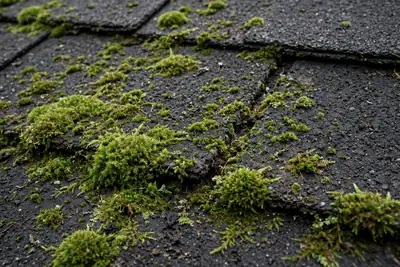
Moss or debris lifting tile edges. May indicate: moisture held against the underlayment. Next step: careful cleaning that won't crack tiles.

Visible underlayment

Black or gray membrane showing where tiles should be. May indicate: an exposed section under direct weather. Next step: urgent — cover or repair before the next rain.

Replacing Individual Tiles Safely

Tile repair is precise work with real constraints. How it's done — and where the limits are:

Tile profiles and underlayment condition affect whether a localized repair is practical; an inspection should confirm compatible replacement materials before work begins.

Clay vs. concrete tiles

Clay tile is fired earth — extremely long-lived and colorfast. Concrete tile is heavier, more affordable, molded into the same profiles. Both come as flat/shake, S-tile (the classic wave), and barrel/mission (half-rounds). Repairs use the same material type as the existing roof.

Lift, don't demolish

Adjacent tiles are carefully lifted — not removed — to access the damaged ones. Rushed tile handling cracks the tiles being saved. This is the skill that separates tile work from shingle work.

Fastening & battens

Tiles hang from or fasten to battens — horizontal wood or metal strips. Corroded fasteners and rotted battens are hidden causes of slipping tiles, and both get checked during repair.

Material compatibility

Replacement tiles must match profile, size, and color of the existing field. Flashing metals at transitions must be compatible — and bird stops (eave closures) should be intact to block the gaps the tile profile leaves at the eave.

The honest limitation: when tiles are too brittle to handle or matches no longer exist, individual replacement stops being viable — the repair-vs-broader-work decision below covers that line.

Underlayment, Flashing and Tile Matching

The key fact about tile roofs: the tiles are the weathering surface — they shed the bulk of the water and take the sun. The actual waterproofing is the underlayment, the membrane over the deck beneath the tiles. Every repair workflow accounts for both layers:

1

Inspection

Tile condition mapped by section, fastener and batten condition checked, underlayment exposure assessed, and attic-side evidence reviewed — deliberately gentle, since walking a tile roof can cause the damage being looked for.

2

Findings

The critical distinction: is this a tile problem (replace tiles) or an underlayment problem (bigger scope)? Valleys, hips, ridges, and flashing at penetrations get special attention — that's where underlayment failure shows first.

3

Scope & estimate

What failed, what the fix includes, tile availability and matching, and what would widen the scope — agreed before work starts.

4

Agreed work & checks

Repairs completed with proper overlap and drainage, transitions re-examined, debris cleared so water flows as the system was designed — then verified.

Localized Tile Repairs vs Broader Work

A cracked tile is a maintenance item; a failed underlayment is a roof problem. The scope follows the evidence:

Localized tile repairs

  • Storm-cracked or impact-damaged tiles, limited in number
  • A slipped section with sound underlayment beneath
  • Healthy surrounding tiles and battens
  • Matching tiles available for the repair

Broader work may be appropriate

  • Underlayment failing across wide areas — brittle, torn, or water-stained membrane
  • Tiles keep slipping because battens beneath have rotted
  • Systemic fastener corrosion or tiles too brittle to handle
  • Underlayment aged out while tiles still look fine

Underlayment replacement means lifting large tile sections, replacing the membrane, and re-laying the tile — the tiles themselves are usually reusable. That scope should come with visible evidence, not urgency.

Tile Repair Pricing Factors

No invented prices — but these are the factors that set the real number:

Number of tiles

Five tiles versus fifty sets the baseline — tile work is piece-by-piece by nature.

Tile availability

Current-production matches are routine; discontinued profiles may need salvage sourcing — the wild card in tile pricing.

Underlayment condition

Sound membrane means a tile-only job; failed membrane widens the scope significantly.

Access & roof pitch

Steeper pitches and tight lots slow careful tile work and add safety setup.

Batten condition

Sound battens versus rot discovered during the repair — hidden until tiles are lifted.

Hidden deck damage

What the underlayment was protecting — invisible until the membrane comes up.

Tile work is slower and more skilled than shingle work, so labor runs higher per unit. An on-site inspection is the only honest basis for a number.

When Tile Damage Becomes an Emergency in Union City

Tile sheds water; the underlayment beneath does the waterproofing. A few slipped tiles are a repair — but once underlayment is torn or exposed across an area, water enters fast.

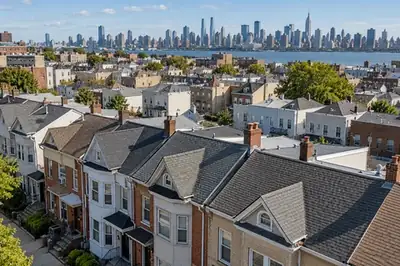
In Union City's dense rowhouses, water can travel along shared walls, so a small stain can involve more than one unit — don't assume it stays small.

  • Slipped tiles in patches — wind can walk tiles upslope in rows; bare underlayment won't survive many rains. In Union City's attached blocks, this can affect the neighboring unit too.
  • Cracked tiles from impact — branches or debris can fracture tiles and puncture what's beneath in the same strike. Union City's rowhouse parapets channel wind-driven rain along shared walls.
  • Stains under a tile field — ceiling stains below a tile roof point to underlayment failure, not just a slipped tile. On Union City's flat rowhouse roofs, ponding finds the weak point fast.
  • Shared tile edges — Union City's attached tile roofs share hips and ridges; impact damage at a shared edge can open two roofs at once.

In Union City, where one roof often touches the next, don't wait on an opening: Emergency help →

Need Tile Roof Repair in Union City?

Cracked, slipped, or storm-damaged tiles — call to discuss tile repair options for your Union City home.

Call (201) 330-4743

Tile Roof Repair Considerations for Union City Properties

  • Tile is the exception here — most Union City roofs are shingle or flat membrane. Tile appears on select single-family homes and older buildings chosen for longevity and appearance — not on every block.
  • Tile experience matters — walking, lifting, and matching tile is a distinct skill. A roofer without tile experience will crack more tiles than they fix, so tile-specific work should go to tile-experienced hands.
  • Nor'easter wind exposure — slipped tiles after coastal storms are a familiar tile repair call in the area; the peak and windward sections take the worst of it.
  • Attached housing — in rowhouses and dense blocks, a slipped tile section can send water traveling along party walls before it surfaces; the breach and the stain may appear in different units.
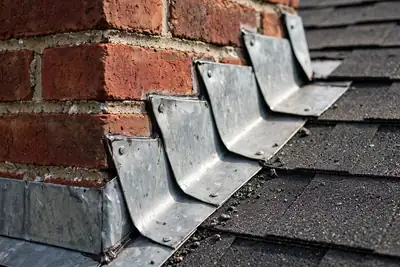
  • Roof-to-wall joints — where tile meets walls and chimneys, flashing transitions work hard and deserve inspection with every tile repair.
  • Low-slope drainage nearby — additions and neighboring flat sections depend on working drainage; standing water against tile transitions accelerates failure.

Tile Roof Repair FAQs

Can individual tiles be replaced, or does the whole roof need redoing?

Individual tiles can be replaced — it's the standard tile repair. Surrounding tiles are carefully lifted, the broken ones swapped for matches, and everything re-laid. A bigger job is only needed if the underlayment beneath is failing across wide areas.

How do I know if the problem is the tiles or the underlayment?

Visible cracked or slipped tiles point to a tile problem. Interior water stains, widespread underlayment exposure, or staining on the attic side of the deck point to underlayment failure — a bigger scope. Inspection distinguishes the two.

Can replacement tiles be matched to my existing roof?

Usually, for tiles still in production — profile, size, and color get matched. Discontinued lines are harder and may require salvage sourcing. That's one reason to address tile damage while matches are still available rather than years later.

Is it safe to walk on a tile roof?

No — not for homeowners. Tiles crack underfoot, especially older clay, and one careless step can turn a small repair into a bigger one. Leave roof access to people experienced with tile.

What factors affect the cost of tile roof repair?

How many tiles need replacing, whether matching tiles are available, the condition of the underlayment beneath, roof pitch and access, batten condition, and any hidden deck damage. Tile work is skilled and slow, so an on-site inspection is essential for an honest figure.

My tiles look fine but I have a leak. What could it be?

On tile roofs, an intact-looking surface with an interior leak usually means underlayment failure — the membrane beneath has aged out while the tiles still look good. Flashing failures at valleys, chimneys, or skylights are the other usual cause. Both need professional diagnosis.

How urgent is it if underlayment is exposed?

Urgent. Exposed underlayment was never meant to face weather directly — every rain shortens its remaining life and risks the deck beneath. Get the section covered or repaired before the next storm.

Can tile roof damage be repaired after a storm?

Yes. Wind-scattered tiles are a straightforward tile repair: slipped tiles are reseated and refastened, cracked ones replaced with matches. The underlayment beneath the damaged area should be checked at the same time.

Need Tile Roof Repair in Union City, NJ?

Cracked tiles, slipped sections, or storm damage on a tile roof — call now to discuss repair options.

Call Now — (201) 330-4743

24/7 emergency roof repair calls answered; regular repairs are scheduled.

☎ Call (201) 330-4743