Drips, fogging, failed seals — most skylight problems are repaired, not replaced. Professional skylight leak diagnosis and repair for Union City homes: flashing-kit replacement, resealing, and glazing solutions.

Skylight problems break into a few distinct repairs — each with its own scope:
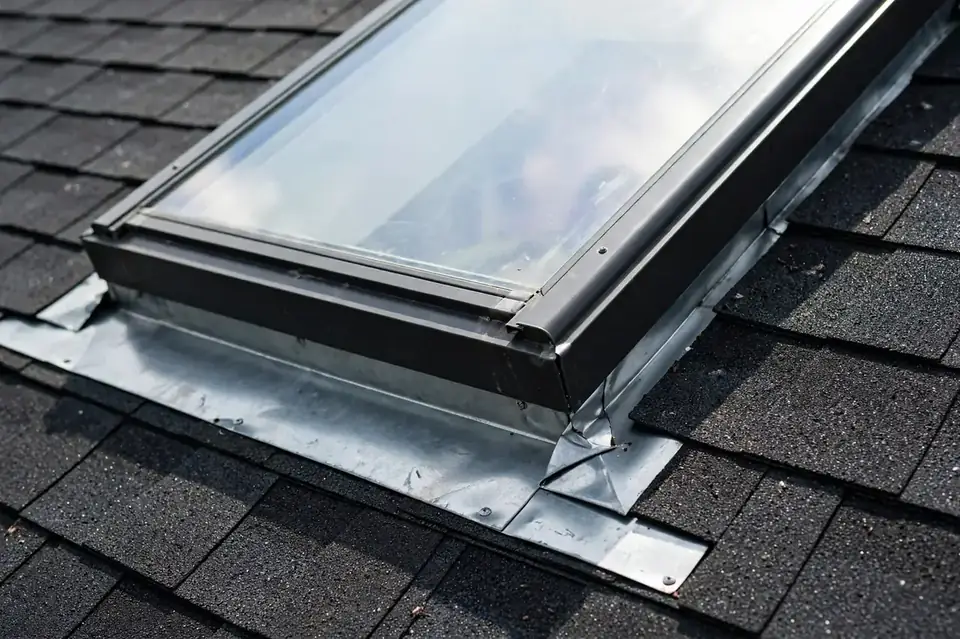
The manufacturer-made set of step, head, and sill flashing pieces designed for the specific skylight model. When flashing corrodes or pulls away, a proper kit replacement — not improvised caulk — is the lasting fix. More on flashing repair →
Deteriorated sealant at the head flashing and perimeter joints is cut out and renewed with compatible roofing sealant — as the gasket behind properly lapped flashing, not as the repair itself.
Worn weep-hole channels cleared, vented-skylight gaskets replaced, and operating hardware adjusted so the unit closes and drains the way it was designed to.
Fogged or cracked glass means the glazing assembly — glass plus its frame — is replaced as a unit and drops into the existing curb. No full tear-out needed when the curb is sound.
Rotted or undersized curbs rebuilt, and water-stained interior shafts dried, repaired, and refinished after the roof-side source is fixed.
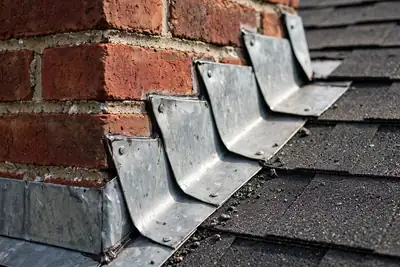
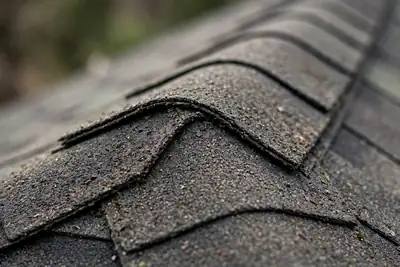
Not every drip under a skylight is the skylight's fault — chimney flashing failures uphill and ridge damage above can send water down that emerges at the skylight opening. The source is traced before anything is scoped.
Water appearing during or right after precipitation. May indicate: flashing failure around the unit. Next step: note the timing — rain-correlated drips point roof-side.
Moisture trapped inside double-pane glass that never clears. May indicate: failed perimeter seal on the glazing. Next step: this won't dry out on its own — the glazing assembly needs replacement.
Discoloration on the drywall tunnel below the skylight. May indicate: water traveling down the shaft from a flashing breach. Next step: the roof-side source needs finding, not just interior repainting.
Dampness on cold mornings with no rain, forming evenly across the glass. May indicate: condensation from indoor humidity, not a leak. Next step: ventilation and humidity control, not roof work.
Visible cracks, chips, or impact damage in the glass. May indicate: compromised weather seal. Next step: damaged glazing should be replaced before the next storm.
Air movement or noise around the unit in wind. May indicate: worn gaskets or loose mounting. Next step: gaskets and hardware can often be serviced without replacing the unit.
Skylight repairs live or die on material compatibility and correct scope:
Interior condensation and a roof-flashing leak require different solutions. The source of moisture should be identified before sealant or flashing work is recommended.
Kits are shaped for the specific skylight model — step flashing for the sides, head flashing for the top, sill flashing for the bottom. They outperform improvised flashing because every piece is designed to integrate with the roofing around it.
Sealant belongs behind properly lapped flashing as a secondary barrier. A "repair" that's only a bead of caulk over a flashing failure will leak again within a few seasons.
Flashing metals must be compatible with each other and the roofing — mixed incompatible metals cause galvanic corrosion that eats the joint from the inside.
Resealing fixes sealant failures, not failed glazing seals or rotted curbs. Fogged glass needs a new glazing assembly; a rotted curb needs rebuilding. Promising a reseal for every skylight issue would be dishonest — the diagnosis sets the scope.
Because the fix depends entirely on the diagnosis, the inspection is methodical:
Flashing kit condition, seal integrity, glazing state, and curb soundness are checked — along with the roof uphill, since water travels down to the skylight opening.
The problem is classified: flashing failure, seal failure, glazing damage, condensation, or a leak originating elsewhere. Each has a different repair.
The repair scope and estimate follow the findings — what's included, what would expand it, and what the alternatives cost.
The repair is completed and verified — flashing integrated with the roofing, seals renewed, and the area checked after the next rain.
The central question, and the answer follows the diagnosis:
A flashing-kit replacement solves the majority of true skylight leaks at a fraction of full-replacement cost — but only when the unit itself is worth keeping.
No invented prices — these are what set the real number:
A flashing-kit replacement and a full unit replacement are different jobs at different scales.
Larger skylights and vented (opening) models cost more to replace than small fixed ones.
Steep or hard-to-reach roof sections add labor and safety setup.
A sound curb keeps the job simple; a rotted curb adds rebuild work.
Water-stained drywall shafts need drying and refinishing after the roof side is fixed.
Multiple skylights on one visit share mobilization — the marginal cost per additional unit is lower.
A skylight is an opening in the roof with glass in it — when its seal or flashing fails, water has a direct path inside. Fogging between panes can wait; water cannot.
In Union City's dense rowhouses, water can travel along shared walls, so a small stain can involve more than one unit — don't assume it stays small.
In Union City, where one roof often touches the next, don't wait on an opening: Emergency help →
Drips, fogging, or stains around your skylight — call to discuss diagnosis and repair options for your Union City home.
Call (201) 330-4743Not every property has every configuration — but whichever apply shape the diagnosis and the repair plan.
Timing is the tell. Leaks correlate with rain — water appears during or right after precipitation. Condensation appears on cold mornings with no rain, forms evenly across the glass, and correlates with indoor humidity. A roofer confirms it by examining moisture patterns and the flashing condition.
Both are common, and the diagnosis decides. Flashing leaks are repaired with a new flashing kit while keeping the unit. Fogged glass (failed seals) or cracked glazing means the glazing assembly must be replaced — though the curb and often the flashing can stay.
No. Fogging between panes means the perimeter seal has failed and moist air is trapped inside. It won't dry out on its own, and there's no repair for the seal — the glazing assembly needs replacement.
In most cases, yes — the glazing assembly (glass plus its frame) is replaced as a unit and drops into the existing curb. A full tear-out including the curb is only needed if the curb is rotted or undersized.
Whether it's a flashing repair or a unit replacement, the skylight's size and type (fixed versus vented), roof pitch and access, curb condition, any interior shaft damage, and how many skylights need work. The diagnosis is the biggest cost driver.
Not necessarily — but it's worth having the others inspected while the roofer is there. Skylights installed at the same time age together, and the marginal cost of addressing a second marginal unit during the same visit is lower.
Treat any rain-correlated drip as prompt, not panic. Water traveling down the shaft damages drywall, insulation, and framing with every storm. If water is actively entering, it needs urgent attention; a stain with no active drip still deserves a timely diagnosis.
That happens regularly — chimney flashing failures uphill and ridge damage above both send water down the roof plane that emerges at the skylight opening. A proper diagnosis traces the source before scoping work, so you don't pay for a skylight repair that can't fix the problem.
Skylight dripping, fogging, or staining — call now to discuss diagnosis and repair options for your Union City home.
Call Now — (201) 330-474324/7 emergency roof repair calls answered; regular repairs are scheduled.