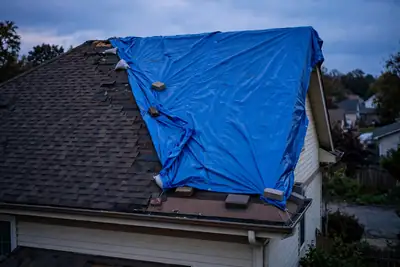
24/7 Emergency Roof Repair — Union City, NJ (201) 330-4743
Union City Roof Repair Call (201) 330-4743

Roof Repair in Union City, NJ

Roof leak, missing shingles, or damaged flashing? Find practical roof repair options for Union City homes, including shingle, flat-roof, and storm-related damage repairs.

  • Professional roof repair services — leak diagnosis, shingle repair, flashing work, and storm damage repair
  • Repair-first approach — localized problems get targeted repairs, not automatic full replacements
  • Emergency calls answered 24/7 — active leaks and storm damage get urgent attention
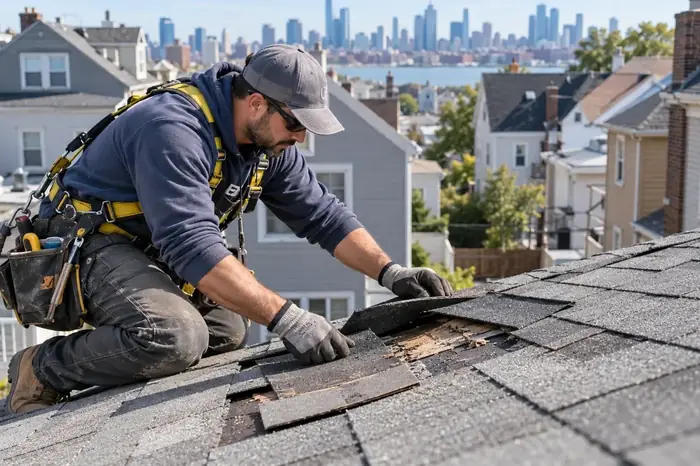
Roofing professional working on an asphalt shingle roof
Illustrative roofing image — not an actual customer project.

Roof Repair Services in Union City, NJ

Explore repair options for common residential roofing problems, from leaks and damaged shingles to flashing and low-slope roofs:

Roof Leak Repair

Water intrusion traced to its source. Damaged roofing materials, flashing problems, and localized leak diagnosis — repairs target the entry point, not just the stain.

Shingle Roof Repair

Missing shingles, lifted or loosened shingles, cracked or damaged shingles — replaced individually and woven into the existing roof.

Flat Roof Repair

Membrane damage, failing seams and joints, ponding-related concerns, and flashing transitions on flat and low-slope roofs.

Roof Flashing Repair

Chimney flashing, roof-to-wall flashing, and roof penetrations rebuilt. Flashing deterioration is behind most roof leaks. Chimney flashing repair →

Storm Damage Roof Repair

Wind-related shingle damage, storm-related leaks, and visibly damaged roofing materials assessed and repaired. Storm damage repair →

Localized Roof Damage Repair

Limited damage around vulnerable roof areas addressed directly — including repairable underlayment or decking issues and necessary material replacement.

Common Signs of Roof Damage

Water stains on ceilings

Brown rings or spreading discoloration. Possible cause: water getting past the roof system — the entry is often uphill from the stain. Why inspect: stains grow; the damage behind them does too.

Missing or loose shingles

Bare patches or shingles lifting at the edges. Possible cause: wind uplift or aged adhesive. Why inspect: every gap is an entry point for the next rain.

Roof leaks during rainfall

Active dripping or dampness that appears with rain. Possible cause: breached flashing, failed seals, or damaged materials. Why inspect: active leaks don't seal themselves.

Damaged flashing

Separated or corroded metal where the roof meets chimneys or walls. Possible cause: age, wind, or incompatible metals. Why inspect: flashing failures spread rather than stabilize.

Standing water on low-slope roofing

Water lingering well after rain stops. Possible cause: drainage or slope problems. Why inspect: ponding stresses every seam it sits on.

Visible storm damage

Creased, torn, or scattered roofing materials after wind. Possible cause: storm uplift and impact. Why inspect: wind damage is often worse than it looks from the ground.

How Roof Repair Typically Works

How a roof repair typically moves from problem to fix:

1

Roof Problem Assessment

Symptoms and visible damage are discussed — where the problem shows, when it started, and what weather triggers it.

2

Roof Inspection

Probable leak sources are identified and relevant roofing components inspected — attic evidence first, then the roof surface.

3

Repair Options

The appropriate repair scope and estimate are determined from the findings — what failed, what the fix includes, and what would expand it.

4

Roof Repair

The agreed repair is completed and checked — proper materials, lapping, and fastening, verified after the work is done.

Roof Repair for Different Roofing Systems

Repair methods depend on material compatibility, damage location, and roof condition:

Asphalt shingle roofs

Damaged shingles are replaced individually and woven into the existing field. Matching thickness and coursing alignment matters more than exact color — a proud patch creates a new water channel.

Flat & low-slope membrane roofs

Seam repairs, ponding corrections, and drainage work. These roofs drain rather than shed water, so the water path matters as much as the patch.

Flashing systems

Chimneys, walls, and transitions — where most leaks begin. Flashing metals must be compatible; copper against galvanized steel causes galvanic corrosion that eats the joint.

Penetrations & drainage transitions

Vents, skylights, and the points where slopes meet flat sections concentrate water flow. Their seals and flashing get dedicated attention in any repair.

Caulk alone is not a repair. Sealant works as the gasket behind correctly lapped and fastened materials — a bead of caulk on its own fails again within a few seasons.

Roof Repair vs. Roof Replacement

Most roof problems are local — and localized problems get localized repairs. Only documented, widespread failure argues for more:

Roof repair may be suitable for

  • Isolated leaks traced to one source
  • Limited shingle damage from wind or age
  • Localized flashing failures
  • Small, repairable membrane defects

More extensive work may be needed for

  • Widespread material failure across slopes
  • Repeated leaks across multiple locations
  • Significant roof decking damage
  • Advanced deterioration of the roof system

Inspection findings determine the appropriate scope — and the evidence should be shown, not just asserted.

What Affects Roof Repair Costs in Union City?

Roof repair pricing depends on the work required. These factors can affect an individual estimate:

Type of roof damage

A failed flashing run versus wind-torn sections across the roof — the failure type shapes the work.

Size of repair area

One localized section versus multiple zones — area drives labor and materials.

Roofing materials

Standard shingles versus tile or specialty materials that cost more to source and install.

Building height

Low residential slopes versus multi-story faces — height changes the safety setup.

Roof access

Tight lots and attached buildings complicate getting people and materials onto the roof.

Roof pitch

Steeper pitches slow the work and add safety requirements compared to walkable slopes.

Hidden moisture damage

Sound decking versus rot found on opening — invisible until the roof is opened up.

Emergency repair requirements

Urgent dispatch costs more than scheduled work. A firm figure only exists after inspection.

When Roof Damage Becomes an Emergency in Union City

Most roof wear can be scheduled. An emergency is when water is entering, the structure is compromised, or the roof is open to weather with more rain on the way.

In Union City's dense rowhouses, water can travel along shared walls, so a small stain can involve more than one unit — don't assume it stays small.

  • Active interior water — drips, spreading stains, or bulging paint mean water is moving through the assembly right now. In Union City's attached blocks, this can affect the neighboring unit too.
  • Visible openings — shingles torn off across a slope, lifted membrane, or daylight through roof boards leave no barrier to the next rain. Union City's rowhouse parapets channel wind-driven rain along shared walls.
  • Sagging or impact damage — a dipped section or tree-limb strike can hide structural damage — don't walk on it, and keep the area below clear. On Union City's flat rowhouse roofs, ponding finds the weak point fast.
  • Shared-wall spread — Union City rowhouses share walls and rooflines; a leak starting at your parapet can reach the adjacent unit before you notice it.

In Union City, where one roof often touches the next, don't wait on an opening: Emergency help →. Winter adds its own risk here — snow load and ponding on flat rowhouse roofs: Winter roof emergencies →

Need Help With a Roof Leak?

Noticed an active leak, lifted shingles, or flashing damage in Union City? Call about roof repair options; emergency roof repair calls are answered 24/7.

Call (201) 330-4743

Roof Repair for Union City Properties

  • Attached residential buildings — attached buildings may have shared or closely spaced roof edges and masonry transitions that call for careful flashing inspection.
  • Multifamily properties — shared roof areas and multi-story access can influence inspection arrangements, permissions, and repair planning.
  • Flat and low-slope roof systems — where present, membrane seams, flashings, and drainage outlets need assessment for damage or water buildup.
  • Roof access limitations — access may require extra planning for some narrow lots or multi-story buildings.
  • Roof drainage details — gutters, downspouts, and internal drains on flat sections need to move water off the roof; when they clog, seams pay the price.
  • Flashing near shared walls — leaks travel along party walls between units, so the source must be traced before work is scoped.
  • Heavy rain and wind exposure — nor'easters drive gusts between the dense blocks and work every edge, ridge cap, and penetration.

Additional Roof Repair Services

Some roof problems deserve dedicated attention:

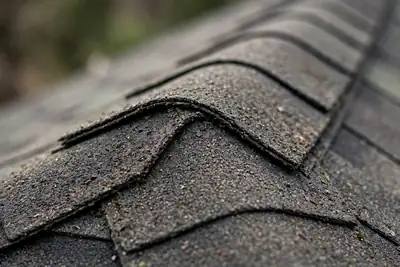
Ridge cap repair Union City NJ

Ridge Cap Repair

Wind-uplifted ridge caps reseated or replaced — the peak takes the worst of every nor'easter.

Ridge cap repair
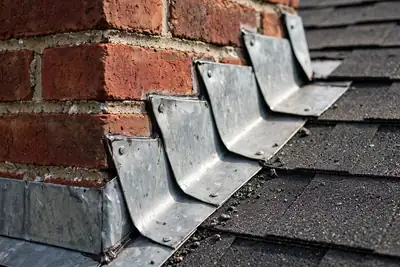
Chimney flashing repair Union City NJ

Chimney Flashing Repair

Step and counter flashing rebuilt around brick chimneys — a potential source of water entry that merits careful inspection.

Flashing repair
Tile roof repair Union City NJ

Tile Roof Repair

Cracked and slipped tiles replaced individually without disturbing the surrounding field.

Tile repair
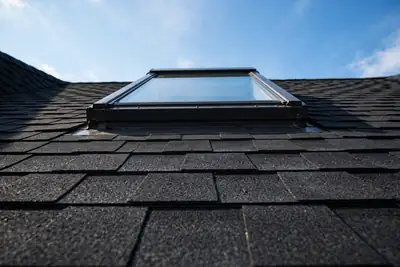
Skylight repair Union City NJ

Skylight Repair

Leak diagnosis, resealing, and flashing-kit replacement for weeping skylights.

Skylight repair
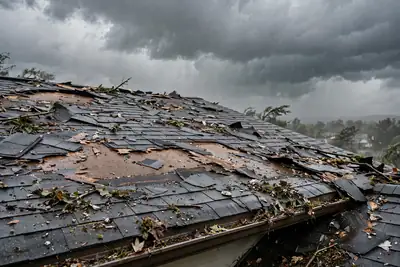
Storm damage roof repair Union City NJ

Storm Damage Repair

Post-storm assessments with photo documentation and scoped repairs after wind events.

Storm repair
Emergency roof repair Union City NJ

Emergency Roof Repair

Active leaks and storm damage — urgent response when water is coming in now.

Emergency help

Roof Repair FAQs

Can a roof leak be repaired without replacing the entire roof?

In most cases, yes — when the failure is localized. One bad flashing run, a wind-damaged shingle section, or a single failed seam is a repair. Full replacement only makes sense with documented, widespread failure.

How can I tell where water is entering my roof?

Start inside: water trails, stained decking, and attic daylight map the path. Then the roof surface is inspected working uphill from the stain — the entry is often surprisingly far from where water shows. The two sets of evidence have to agree.

Can missing shingles be replaced individually?

Yes — that's routine repair work. Individual shingles are replaced and woven into the existing field. Matching thickness and coursing alignment matters more than exact color for keeping the repair watertight.

Are flat roof leaks repairable?

Yes. Membrane seams can be repaired, ponding corrected, and drains cleared. But a leak that keeps returning to the same spot usually means the underlying cause — ponding, failed substrate — wasn't addressed.

How long does a typical roof repair take?

Most localized repairs are completed in a single visit once the scope is agreed. Larger scopes — full flashing rebuilds, multi-zone work — take longer. The timeline should be stated as part of the agreed scope, not guessed upfront.

What affects the cost of a roofing repair?

The type and extent of damage, repair area size, materials, building height, access, roof pitch, hidden moisture found on opening, and whether it's emergency or scheduled work. A firm figure only exists after inspection.

What should I do if my roof starts leaking during heavy rain?

Contain it first: buckets under drips, move furniture and electronics, and stay off the roof. Then call — an active leak needs urgent attention, and emergency tarping can stop the damage today while the permanent repair is scoped after.

Should a roof be inspected after a windstorm?

Yes — even when nothing looks wrong from the street. Check the ridge line for crooked or missing caps, look for lifted shingles, and note granule piles at downspouts. Wind damage to flashing and seals is easy to miss from the ground.

Need Roof Repair in Union City, NJ?

Leaks, storm damage, worn flashing, or shingles coming loose — call now to discuss roof repair options for your Union City home.

Call Now — (201) 330-4743

Emergency calls answered 24/7.

Roof Repair Service Area — Union City, NJ

View the Union City service area. This map illustrates the community rather than a contractor office.

☎ Call (201) 330-4743