NORTH BERGEN • RESIDENTIAL ROOFING
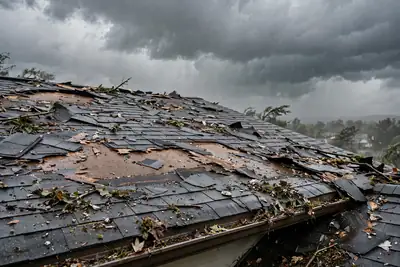
Roof leaks, missing shingles, failing flashing, and storm damage on elevated North Bergen roofs need timely attention. Explore professional roof repair services — from dormer and chimney repairs to wind-damaged ridges.

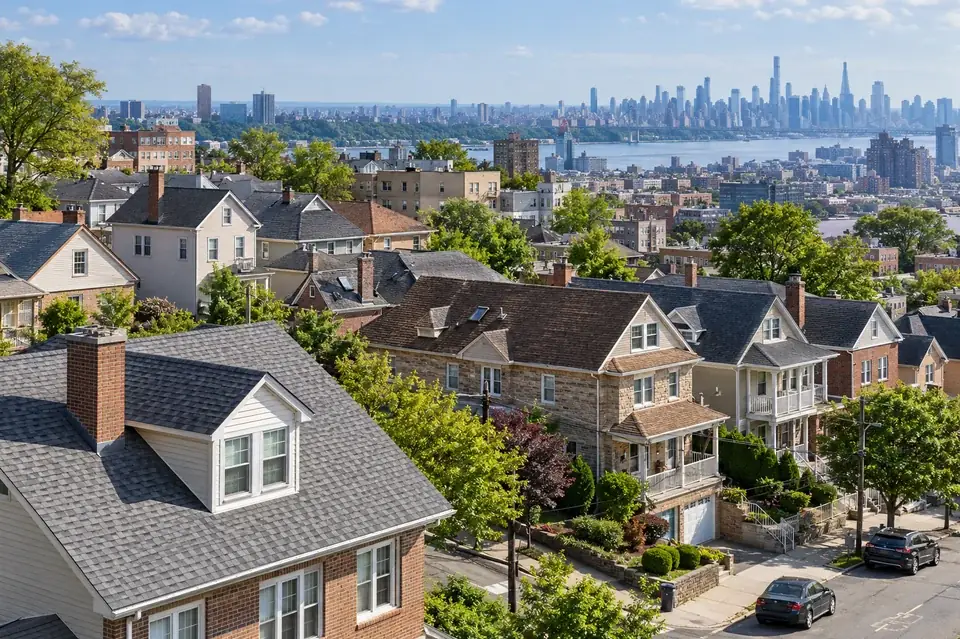
Professional roof repair services for North Bergen homes — dormered capes, split-levels, and multifamily buildings on the town's elevated terrain:
Leaks and stains traced to their source — attic evidence first, then the roof surface. Repairs target the entry point, not just the stain.
Wind-lifted, cracked, or missing shingles replaced individually and woven into the existing field.
Failing seams repaired, ponding corrected, and drains cleared on low-slope sections where standing water does the slow damage.
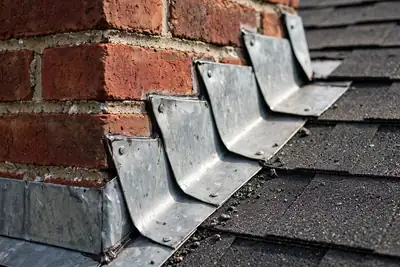
Chimney flashing, dormer transitions, and roof-to-wall joints rebuilt — the details where most leaks begin. Chimney flashing repair →
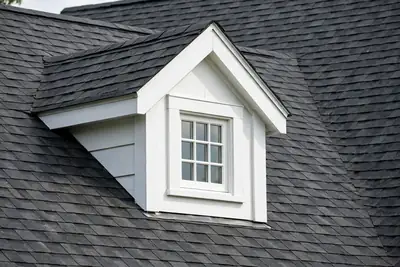
Leaking dormers — flashing, siding transitions, and valley work where dormers meet the main roof. Dormer repair →
Wind-related damage assessed after storms, with photo documentation of what the weather did. Storm damage repair →
Brown rings or water coming in during rain. What it may indicate: a breach in the roof system — the entry is often uphill from the stain. Next step: active leaks need prompt assessment; they don't seal themselves.
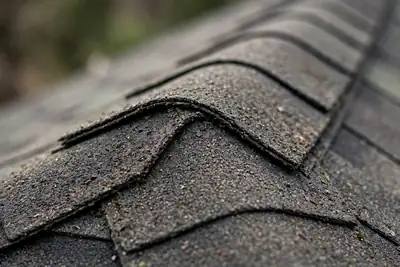
A jogged or uneven ridge line following storms. What it may indicate: wind uplift working the most exposed line on the roof. Next step: check the ridge after every major wind event.
Dry in calm rain, leaking when it's windy. What it may indicate: wind-driven entry at a flashing line or edge, not a hole in the field. Next step: mention the storm-only pattern — it narrows the diagnosis.
Discoloration where dormer walls meet the roof. What it may indicate: failing step flashing or siding transitions at the dormer. Next step: dormer leaks spread into wall framing — don't wait on them.
Separated metal or staining at brick lines. What it may indicate: freeze-thaw working the mortar and flashing apart. Next step: slow leaks at chimneys rot decking quietly — early assessment matters.
Bare patches or granules piling at downspouts. What it may indicate: the shingle's weather surface is wearing thin. Next step: widespread wear changes the repair-vs-replace math.
Technically specific repair options, honest about scope and limitations:
Attic evidence — water trails, stained decking, daylight at penetrations — paired with a roof-surface inspection to pin down the actual entry point before any repair is scoped.
Repairs must integrate with what's there: matching shingle thickness and coursing, compatible flashing metals, membrane systems repaired with their own chemistry. Incompatible pairings fail early.
The repair covers the documented failure — a flashing rebuild, a shingle section, a dormer transition — plus what the inspection shows is compromised beneath it. Hidden rot can't be priced sight-unseen.
The repaired area is checked after the work, and the real test comes with the next rain: the interior stays dry. A repair counts as finished when the leak stops.
Most roof wear can be scheduled. An emergency is when water is entering, the structure is compromised, or the roof is open to weather with more rain on the way.
Across North Bergen's mix of homes and low-rise commercial buildings, flat and low-slope sections fail first — check them after every storm.
In North Bergen, check flat sections first — then call before the next rain: Emergency help →. In winter the risk shifts — ice dams on pitched sections and snow load on low-slope stretches: Winter roof emergencies →
Roof leaks and damaged roofing materials should be assessed before the problem spreads. Call to discuss roof repair options in North Bergen.
Call (201) 330-4743How roof repairs move from inspection to finished work:
Relevant roof areas are inspected — ridge and windward lines first on elevated roofs — and probable entry points mapped from interior and surface evidence.
What's damaged, what caused it, and what the repair needs to include. Photo documentation shows the failure rather than just describing it.
The repair scope and estimate are set from the findings — what failed, what the fix covers, and what would expand the job. Nothing starts until the scope is agreed.
The repair is completed with proper materials, lapping, and fastening, then checked — including after the next storm, when wind-tested details prove themselves.
A wind-damaged ridge on a sound roof is a repair. A separated chimney flashing is a repair. One failing dormer transition is a repair. Only documented, widespread failure argues otherwise:
Inspection findings determine the appropriate scope — evidence shown, not just asserted.
No invented prices — but these are the factors that set the real number:
One flashing run versus multiple wind-damaged lines across the roof.
Standard shingles versus specialty materials that cost more to source and install.
Elevated lots and hillside positioning complicate staging and safety setup.
A simple vent boot versus a full chimney flashing rebuild or dormer transition.
Sound decking versus rot found on opening — hidden damage changes the scope.
Urgent dispatch costs more than planned work. A firm figure only exists after inspection.
Wind accelerates over elevated terrain and carries rain with it — higher uplift forces on ridges and eaves, and water arriving with pressure behind it. That's why hilltop roofs see more ridge, edge, and flashing damage than sheltered ones.
An ice dam is a ridge of ice at the eave that traps meltwater behind it, forcing water uphill under shingles. It's a roof problem with an attic cause — heat escaping into the attic melts snow unevenly. Prevention targets insulation and ventilation; the resulting leaks still need roof repair.
One localized failure — a flashing run, a wind-damaged section, a dormer transition — is a repair. Multiple independent failures, systemic wear across whole slopes, or rotted decking point toward replacement. The distinction should come from documented inspection findings.
Often, yes — if both failures are localized and the materials are on hand. But they're different systems with different repair methods, so each gets its own scope. A membrane seam and a shingle section don't share a repair technique.
Because the failure is at an edge or flashing line, not a hole in the field. Calm rain runs downhill off intact shingles; wind-driven rain gets pushed uphill under laps and through separated flashing. The storm-only pattern actually helps pinpoint the source.
Yes — chimney flashing fails slowly. Freeze-thaw separates mortar and metal gradually, and by the time water shows inside, decking damage is often underway. A periodic look at chimney flashing is cheap insurance against a quiet, expensive leak.
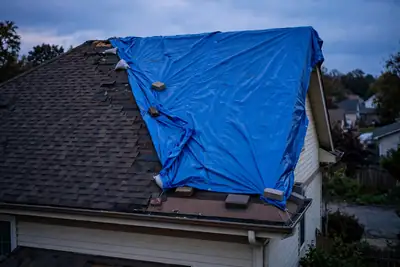
Contain it first: buckets under drips, move furniture and electronics, and stay off the roof. Then call — an active leak needs urgent attention, and emergency tarping can stop the damage today while the permanent repair is scoped after.
Specialized repairs for the details North Bergen roofs are known for:

Leaking dormers — flashing, siding transitions, and valley work where dormers meet the main roof.
Dormer repair
Step and counter flashing rebuilt around brick chimneys — freeze-thaw separation addressed properly.
Flashing repair
Wind-uplifted ridge caps reseated or replaced — the peak takes the worst of hilltop gusts.
Ridge cap repair

Active leaks and storm damage — urgent response when water is coming in now.
Emergency helpLeaks, storm damage, dormer trouble, or flashing that's had enough — call now to discuss roof repair options for your North Bergen home.
Call Now — (201) 330-4743Emergency calls answered 24/7.
View the North Bergen service area. This map illustrates the community rather than a contractor office.