Water staining near the chimney? Failed flashing is the most likely culprit — and the fix depends on what actually failed. Explore chimney flashing repair for North Bergen homes, from re-sealing sound metal to full step-and-counter-flashing rebuilds.

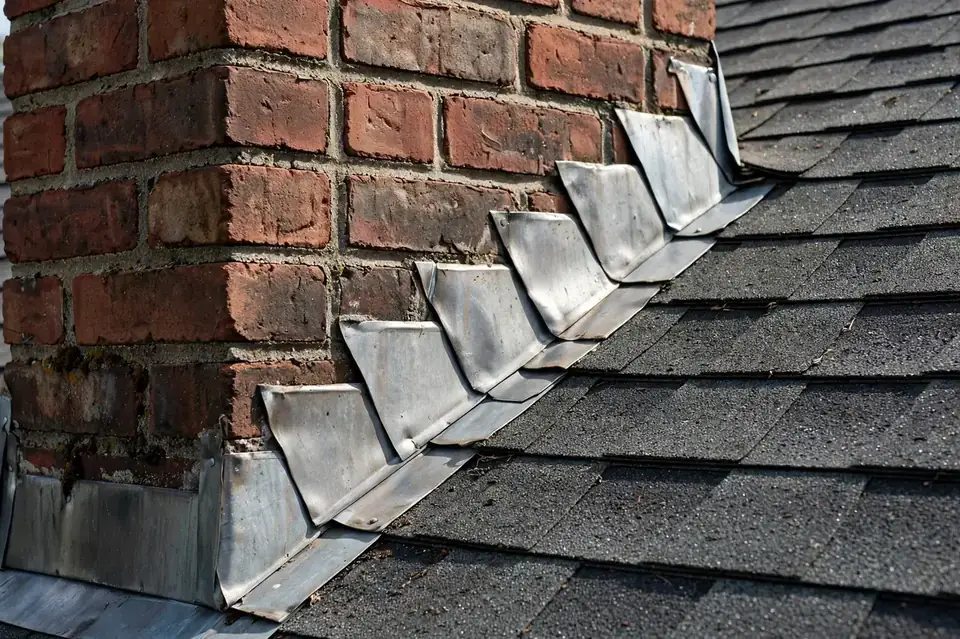
Chimney flashing is a two-layer metal system — step flashing woven into the shingle courses and counter-flashing embedded into the chimney's mortar joints. These are the specific repairs it needs:
Corroded or lifted L-shaped step pieces replaced one by one, woven back into the shingle courses with correct overlap up both sides of the chimney.
Failed counter-flashing cut out and new metal embedded into reground mortar joints — the reglet method — folded down over the step layer and sealed at the brick line.
When the metal is sound and only the sealant has cracked, the old sealant is cut out and replaced. An honest, economical fix — but only valid on sound metal.
A peaked diverter built on the uphill side of wide chimneys, sending water around the stack instead of letting it pond against the brick.
The wide base piece on the downhill side of the chimney — a frequent and easily overlooked leak point — repaired or replaced.
Counter-flashing grips into mortar joints, so crumbling joints are repointed first. Flashing and masonry are assessed as one job, so you know what you're paying for.
Water marks on the ceiling or wall adjacent to the chimney, often on the uphill side. May indicate: water entering at the chimney base and running down inside. Next step: note whether it shows in all rain or only wind-driven storms.
Orange-brown streaks running from the flashing onto surrounding shingles. May indicate: the metal corroding through. Next step: corroded flashing needs replacement, not sealant.
Gaps along the counter-flashing edge where sealant has shrunk or pulled away. May indicate: a frequent first failure point — often visible with binoculars. Next step: a re-seal is legitimate if the metal underneath is sound.
Metal hanging free of the mortar joint instead of embedded in it. May indicate: the mortar embedment failed. Next step: the joint needs re-flashing with new reglet cuts, not a re-nail.
Damp or musty odor around the fireplace during rain. May indicate: moisture entering the chase or surrounding framing. Next step: have the chimney base and attic checked together.
Chalky mineral deposits (efflorescence) on brick near the roofline. May indicate: water moving through the masonry — often flashing-related. Next step: the mortar joints should be tested, not just eyeballed.
One caution: a leaking chimney isn't always flashing. Cracked crowns and deteriorated mortar admit water too — the inspection should distinguish the two before any work is quoted.
The details that separate a repair that holds from one that doesn't:
One L-shaped piece per shingle course, each overlapping the one below. Face-nailed or skipped courses are installation shortcuts that fail on a predictable timeline.
The outer layer must be embedded into a groove cut in the mortar joint — never face-nailed to brick, which always fails eventually. The reglet cut is the correct installation.
Galvanized steel is economical until its coating wears; aluminum resists rust better; copper lasts generations at a premium. Dissimilar metals in contact corrode galvanically — the new metal must suit what's already there.
Sealant bridges the metal-to-brick edge behind properly installed flashing. A bead of caulk over corroded metal or pulled flashing buys months, not a fix.
Scope and limitations: re-flashing the joint doesn't fix a cracked crown or crumbling chimney — those are masonry work. A complete quote addresses flashing, mortar, and crown together, so nothing gets discovered mid-job.
Flashing is the seal where the chimney meets the roof — the most leak-prone joint on most homes. Minor flashing wear can wait for a scheduled visit; wind-peeled or displaced flashing cannot.
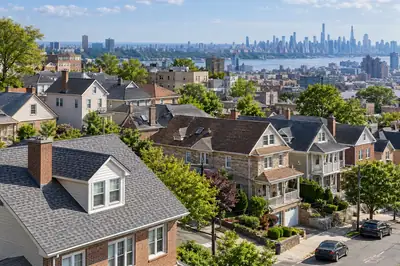
Across North Bergen's mix of homes and low-rise commercial buildings, flat and low-slope sections fail first — check them after every storm.
In North Bergen, check flat sections first — then call before the next rain: Emergency help →. Winter brings its own chimney problems — freeze-thaw splits old mortar and works flashing loose: Winter roof emergencies →
Water staining near the chimney should be diagnosed before it spreads. Call to discuss chimney flashing repair options in North Bergen.
Call (201) 330-4743How a chimney flashing job typically proceeds — illustrative, not guaranteed:
Step flashing, counter-flashing embedment, mortar joints, crown, and the uphill cricket are examined at the roof — plus attic and interior evidence of the water's path.
What's actually failing: sound metal with cracked sealant, corroded flashing, counter-flashing pulled from failed mortar, or masonry problems beyond flashing.
Re-seal, re-flash, or rebuild — matched to the findings, with the metal specified and any mortar or crown work included. Approved before work starts.
Shingles lifted, failed metal replaced, counter-flashing re-embedded, everything reintegrated — then the full chimney base is verified.
Every chimney flashing decision is the same math: the targeted fix now, or the full rebuild once. Which is right depends on what the inspection finds:
Sealant over corroded metal is the classic false economy — it buys months. The metal has to be sound for a re-seal to hold.
No invented prices — the scope sets the number, and these set the scope:
The widest cost swing on the page — a sealant cut-out versus replacing the whole two-layer system.
Wider chimneys need crickets; steeper pitches slow the work and add safety setup.
Galvanized vs. aluminum vs. copper is a real cost ladder — and it sets the repair's lifespan.
Repointing joints so new counter-flashing has something to grip — common on older chimneys.
Decking rot found once opened, or a crown that needs attention too.
Hillside lots and tight rooflines complicate getting to the chimney safely.
From inside, you often can't — both stain near the chimney. The distinction is made on the roof: is the counter-flashing still embedded in sound mortar, is the sealant intact, and are the crown and mortar themselves compromised? Flashing and masonry failure call for different work, so diagnosis comes before the quote.
If the metal is sound and only sealant cracked, cutting out and replacing the sealant is legitimate. But sealant over corroded metal — or over counter-flashing pulled from its joint — buys months, not a fix. The metal has to be sound for a re-seal to hold.
The failure is directional. Intact flashing sheds water running down; failed flashing admits water pushed sideways. Calm rain staying out while wind-driven rain comes in points squarely at the flashing joint.
Galvanized steel is economical until its coating wears; aluminum resists rust better; copper lasts generations at a premium. Installation matters most — embedded counter-flashing and woven step flashing — because even copper fails face-nailed. Ask what's specified and why.
Sometimes. Counter-flashing grips into mortar joints, so crumbling joints can't hold new flashing without repointing first. On older chimneys the masonry and flashing assessments are one job — make sure you know which you're paying for.
Don't wait on it. Water entering at the chimney base runs down inside walls and framing, rotting decking and feeding mold where you can't see it. At minimum, get the joint weatherproofed quickly while the full repair is scheduled.
Whether the quote includes counter-flashing re-embedment (not just sealant), what metal is specified and why, whether the crown and mortar were assessed, and what happens if decking damage is found once the joint is opened.
Chimney flashing shares its failure timeline with the roof's other wind-exposed details:

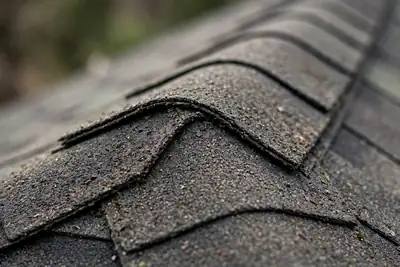
What hilltop wind does to the peak — often the same storm stresses flashing and ridge together.
Ridge cap repair
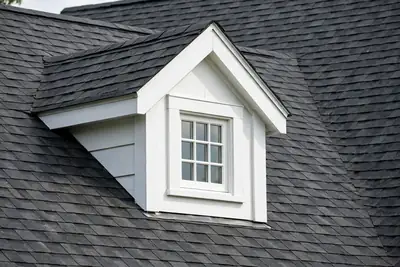
When stains appear away from the chimney — how water travels inside wall cavities from dormer transitions.
Dormer repair
The broader roof repair hub — leaks, shingles, flat roofs, and storm damage across North Bergen.
Roof repair hubStaining near the chimney, rust streaks, or sealant pulling away — call now to discuss chimney flashing repair options for your North Bergen home.
Call Now — (201) 330-4743Emergency calls answered 24/7.