UNION CITY · RIDGE CAP REPAIR
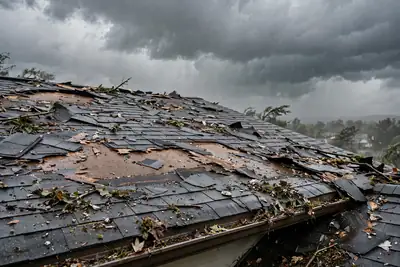
After strong winds, lifted or missing ridge caps can leave the roof peak vulnerable to water intrusion. Wind-torn ridge caps get reseated or replaced — and the vent, underlayment, and decking underneath get checked before new caps go on.

The fix depends on what's actually failed — the caps, the fasteners, the vent, or the decking beneath:
Caps that lifted but stayed intact get refastened into solid decking and resealed. Early repair can reduce the risk of a lifted cap detaching in later winds.
New ridge cap shingles installed in place of lost ones — laid from the leeward end toward the prevailing wind, each sealed and fastened.
Popped or exposed nails along the peak get reset or replaced with proper fastening into solid decking — the detail that decides whether caps hold in the next storm.
The low-profile vent under the caps gets inspected once failed caps are off. A crushed, clogged, or displaced vent is replaced along the affected run before new caps go on.
When a whole run of caps is shredded, the failed section is stripped back to sound material and rebuilt — vent, underlayment, and caps as one system.
Caps showing early lift or aging sealant strips get refastened before they fail — addressing early damage may prevent a larger repair after the next storm.
The peak should read as one straight, even line. What it may indicate: wind uplift starting at the windward end. Next step: check it after every storm — one missing cap becomes several fast.
Piles of shingle granules in gutters after wind. What it may indicate: caps shedding their protective surface. Next step: granule loss means the caps are aging out — have the ridge looked at.
Visible light along the peak from inside. What it may indicate: a breach at the ridge, not a quirk. Next step: any daylight there is a leak path — get it assessed.
A loose cap flapping in high wind is audible before it's visible. What it may indicate: seal failure with the cap still attached. Next step: if you hear it, the seal is already gone — reseating now prevents loss.
Water marks on top-floor ceilings or upper attic walls. What it may indicate: ridge-level water entry tracking down the ridge beam. Next step: the stain can surface far from the breach — the ridge needs tracing.
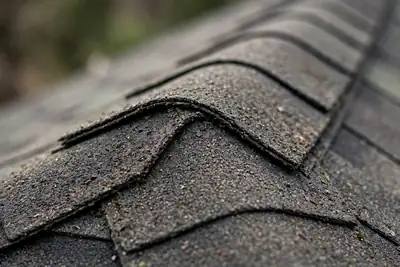
Caps that crack instead of flexing when lifted. What it may indicate: aged shingles past their flexible life. Next step: brittle caps can't be reseated — they need replacement.
Ridge work is pitched-roof work — the folded cap assemblies on a shingle peak. That is a different system from flat-roof coping or metal edge flashing, and it repairs differently:
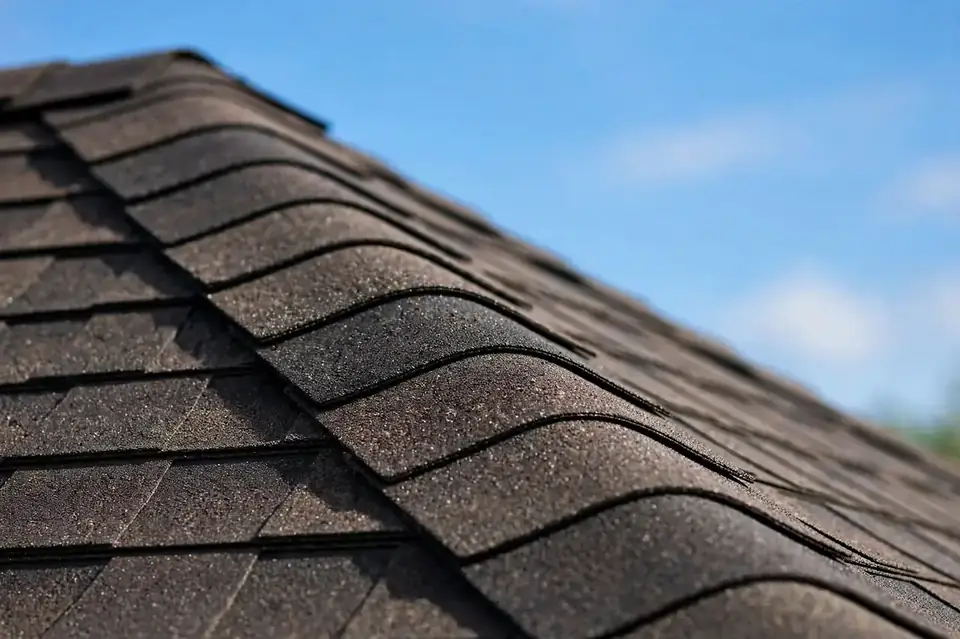
Thicker, pre-folded shingles made for the peak — factory-cut caps or field shingles cut and bent on site. They cost more per piece than field shingles because they're doing the hardest job on the roof.
The low-profile vent running under the caps exhausts attic heat; a crushed or blocked vent shortens shingle life across the whole roof. Vent type has to match the cap profile going back on.
Heat-activated adhesive bands bond each cap to the next. When they age out — especially on sun-baked south-facing ridges — wind does the rest. Reseating means new seal, not just new nails.
New caps are matched to the existing roof's profile and color so the repair doesn't read as a patchwork stripe. Exact matches get harder as shingle lines are discontinued — one more reason to fix damage while the surrounding roof is still in good shape.
Realistic limits: if the surrounding field shingles are brittle and shedding granules across the whole slope, recapping buys little — the honest scope is wider than the missing caps, and it should be stated plainly.
Not every property shares every condition — but whichever apply will shape the inspection and the repair plan.
Ridge caps guard the most exposed seam on the roof. A single missing cap is often just a repair — but wind rarely takes just one, and an open ridge line channels water straight into the roof.
In Union City's dense rowhouses, water can travel along shared walls, so a small stain can involve more than one unit — don't assume it stays small.
In Union City, where one roof often touches the next, don't wait on an opening: Emergency help →
Missing or wind-damaged ridge caps leave the most exposed seam on your roof open to weather. Call to discuss ridge cap repair options.
Call (201) 330-4743The full ridge line is walked: cap alignment and adhesion, fasteners, ridge vent condition, underlayment beneath failed caps, adjacent field shingles, and attic-side evidence along the ridge beam.
What's failed and how far it went — caps only, or vent, underlayment, and decking too. The visible damage says something failed; the inspection says how far.
The repair scope is defined from the findings: what's being replaced, how new caps will be fastened and sealed, and what would expand the job. Approved before work starts.
Failed caps are stripped back to sound material, the vent and underlayment addressed, new caps installed — then the whole peak gets a final pass for adhesion and vent clearance.
Most ridge cap problems are genuinely localized — a section of caps replaced, the vent intact underneath, the field shingles fine. Here's how the call gets made:
None of the bigger-scope cases mean a full roof replacement is required — they mean the honest scope is wider than the missing caps.
No invented prices — but these are the factors that set the real number:
A ten-foot section versus the full peak — length sets the baseline.
Steep pitches and hard-to-reach peaks take longer and more safety setup.
Replacing the vent along the run adds material and labor beyond caps alone.
Soft or rotted deck along the peak gets replaced before new caps go on.
Damage found once caps are off can widen the scope — invisible until then.
Urgent dispatch costs more than planned work. A firm figure only exists after inspection.
Wind uplift is the main cause — the peak takes wind edge-on from both slopes at once. Aged sealant strips, nails driven into deteriorated decking, and brittle shingles that crack instead of flexing all contribute. On dense blocks, wind funneling between buildings amplifies the force.
Usually, yes. Most ridge failures are localized: the failed section of caps comes off, the vent and underlayment underneath are inspected, and new caps go on. A bigger scope is only needed if the vent is damaged, the decking is soft, or the surrounding shingles are at the end of their life.
Yes — and it's one of the faster paths to a leak. The ridge is the highest point on the roof, so any breach admits rain directly into the roof system with no slope to shed it. Water tracks down the ridge beam and can surface far from the breach.
You usually can't tell from the ground — that's part of the inspection. The vent is checked for crushing, clogging, or displacement once the failed caps are off. A damaged vent gets replaced along the affected run before new caps are installed.
The linear feet of damaged ridge, roof pitch and accessibility, whether the ridge vent needs replacement, the condition of the decking underneath, and any hidden water damage found during the work. An on-site inspection is the only way to scope it accurately.
As soon as you notice it — especially after a nor'easter or high-wind event. Ridge damage spreads: one lifted cap becomes several within a storm season, and each missing cap admits water directly. Don't let it wait through another forecast.
New caps are matched to the profile and color of the existing shingles so the repair blends in. Exact matches get harder as shingle lines are discontinued, which is one more reason to address damage while the surrounding roof is still in good shape.
Ridge failure rarely travels alone — the same storm that took your caps likely stressed everything attached to the peak:

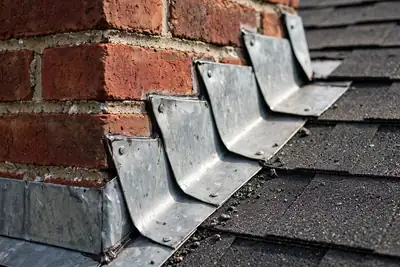
Wind that lifts caps also works flashing loose — have brick chimney flashing checked in the same visit.
Flashing repair
Damage across the whole roof after a storm — every slope assessed with photo documentation.
Storm repair
The main roof repair hub — every service mapped to the symptom, for the full picture.
All roof repairsWind-torn, cracked, or missing ridge caps — call now to discuss repair options for your roof peak.
Call Now — (201) 330-4743Emergency calls answered 24/7.