24/7 Emergency Roof Repair — Weehawken, NJ (201) 330-4743
Union City Roof Repair Call (201) 330-4743

WEEHAWKEN • RESIDENTIAL ROOF REPAIR

Roof Repair in Weehawken, NJ

Roof leaks, missing shingles, corroded flashing, and storm damage need timely attention. Weehawken's waterfront buildings face salt air off the Hudson; west-side homes face wind off the cliffs. Explore roof repair solutions for both — from localized leak repairs to full flashing rebuilds.

  • Professional roof repair services — leak diagnosis, shingle repair, flashing and metal work, storm damage repair
  • Waterfront-aware repairs — salt-air corrosion addressed with compatible, corrosion-resistant materials
  • Emergency calls answered 24/7 — active leaks get urgent attention, day or night
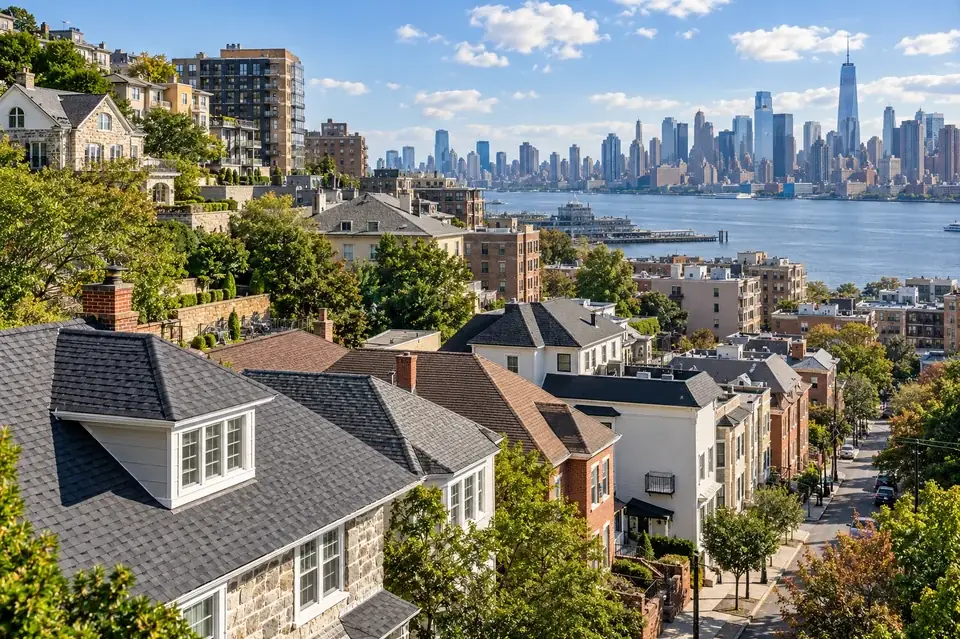
Weehawken NJ rooftops along the Hudson waterfront
Illustrative roofing image — not an actual customer project.
REPAIR SERVICES

Roof Leak and Damage Repair Services

Professional roof repair services for Weehawken homes and buildings — covering the failures this town's two exposures produce:

Roof Leak Repair

Leaks and stains traced to their source. Attic evidence first, then the roof surface — repairs target the entry point, whether it's failed flashing, an open seam, or wind-lifted material.

Missing Shingle Repair

Wind-lifted, cracked, or missing shingles replaced individually and woven into the existing roof — with fastening suited to Weehawken's wind exposure.

Low-Slope Seam & Drainage Repair

Membrane seams repaired, ponding corrected, and drains cleared. Low-slope roofs live or die by their water path — a patch over standing water is temporary.

Flashing Failure Repair

Corroded or separated flashing rebuilt at chimneys, walls, and penetrations. Near the waterfront, metal selection matters as much as workmanship. Chimney flashing repair →

Salt-Air Metal Repair

Corroded drip edges, fasteners, and edge metals replaced with compatible, corrosion-resistant materials — the waterfront's signature repair.

Storm Damage Repair

Wind-related damage assessed after severe weather, with photo documentation of what the storm did. Storm damage repair →

ROOF DAMAGE SIGNS

Signs Your Roof May Need Repair

White or green corrosion on flashing

Powdery deposits and pitting on metal. What it may indicate: salt-air corrosion attacking flashing, drip edges, or fasteners. Next step: near the waterfront, have flashing checked annually.

Rusted fasteners or nail pops

Nails backing out or rust streaks on the roof surface. What it may indicate: corroded fasteners losing holding power. Next step: loose fasteners let wind get under materials — don't wait.

Ceiling stains

Brown rings or spreading discoloration inside. What it may indicate: water getting past the roof system — the entry is often uphill from the stain. Next step: note the weather when it appears.

Missing shingles after wind

Bare patches or scattered shingles. What it may indicate: wind uplift damage, worse on exposed roof lines. Next step: each gap admits the next rain.

Ponding on low-slope roofs

Water standing well after rain stops. What it may indicate: drainage or slope problems stressing seams. Next step: persistent ponding needs a drainage look, not just a patch.

Gutters failing faster than shingles

Gutter systems corroding while the roof field looks fine. What it may indicate: salt air attacking thinner metals first. Next step: the flashing is likely on the same curve — have it checked too.

REPAIR METHODS

Roof Leak Diagnosis and Targeted Repair Methods

A proper assessment here accounts for which Weehawken the building is in — waterfront or hillside — because the failure modes differ:

Metal condition survey

Every flashing run, fastener line, and edge metal is checked for corrosion — pitting, powdery deposits, rust bleed. Near the water, this is the core of the assessment.

Material compatibility

Replacement metals must suit the exposure. Galvanized steel has the shortest waterfront life; aluminum resists salt better; copper lasts longest. Mixing incompatible metals causes galvanic corrosion.

Realistic scope

The written scope names what's failing, what the fix includes, and what would expand it. A single corroded flashing run is a repair — but if every run is the same metal, age, and exposure, that's stated upfront.

Known limitations

Some things can't be known until the roof is opened — substrate condition, hidden rot. A sound scope says so instead of pretending otherwise.

Repair methods depend on the roofing material, damage location, and conditions found during inspection.
WEEHAWKEN ROOFING

Roof Repair Considerations for Weehawken Properties

  • Two exposures — waterfront buildings along the Hudson face salt air; west-side hillside homes face wind off the cliffs. The failure modes differ, and so does the repair approach.
  • Salt air and metals — chlorides accelerate corrosion on flashing, fasteners, drip edges, and gutters through a steady process that needs no storm. Shingles themselves are largely unaffected.
  • Waterfront building types — mid-rise buildings along the river with flat and low-slope roofs that depend on working drainage; access and staging are part of every job.
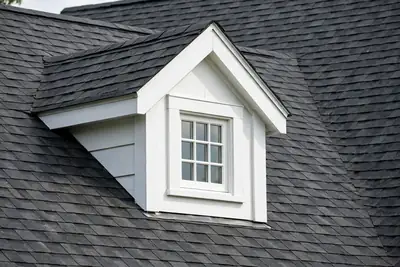
  • West-side homes — hillside residential streets with pitched roofs, retrofit dormers, and wind-exposed ridges; dormer-to-roof joints deserve special attention.
  • Roof access constraints — cliff-side lots, tight streets, and multi-story faces complicate ladder and staging setup on both sides of town.
  • Flashing transitions — chimney bases, wall joints, and roof-to-wall transitions work hardest here; they're the first details checked after any storm.

Your property won't have all of these — but whichever apply will shape the inspection and the repair plan. Mention your building's position when you call.

When Roof Damage Becomes an Emergency in Weehawken

Most roof wear can be scheduled. An emergency is when water is entering, the structure is compromised, or the roof is open to weather with more rain on the way.

Weehawken's riverfront blocks take driving wind head-on; flashing and ridge lines are the first details to check after a storm.

  • Active interior water — drips, spreading stains, or bulging paint mean water is moving through the assembly right now. On Weehawken's riverfront, windward sides wear fastest.
  • Visible openings — shingles torn off across a slope, lifted membrane, or daylight through roof boards leave no barrier to the next rain. Weehawken's Hudson gusts hit hardest from the east — start your check there.
  • Sagging or impact damage — a dipped section or tree-limb strike can hide structural damage — don't walk on it, and keep the area below clear. Coastal storms rake Weehawken's exposed blocks; check after every one.
  • Riverfront wind damage — Weehawken's Hudson exposure lifts flashing and ridge details first; after coastal storms, check windward edges before the next rain.

On the Weehawken riverfront, the next gust is always coming: Emergency help →. Winter brings wind-driven snow against parapets and freeze-thaw working the old masonry: Winter roof emergencies →

Need Roof Repair in Weehawken?

Leaks, corroded flashing, wind damage, or ponding that won't drain — call to discuss roof repair options for your Weehawken property.

Call (201) 330-4743
REPAIR PROCESS

How Roof Repair Is Assessed and Completed

How a repair moves from problem to fix:

1

Inspection

Symptoms are discussed, then the relevant roof areas are inspected — metal condition on waterfront buildings, wind-exposed edges on hillside homes, attic evidence everywhere.

2

Findings

The failure mechanism is identified before anything is scoped: corrosion failure and wind failure look different and get different fixes.

3

Scope & Estimate

The repair scope and estimate are set from the findings — materials named, compatibility confirmed, limitations stated. Nothing starts until the scope is approved.

4

Agreed Work & Checks

The work is completed with proper materials, lapping, and fastening, then checked — the repair counts as done when the problem stops.

REPAIR OR REPLACE

Repair or Replace?

The honest tension on waterfront buildings: a single corroded flashing run is a repair — but if the whole flashing system is the same metal, the same age, and the same exposure, the other runs are on the same curve. That's stated, not hidden:

Localized repair may be reasonable

  • One failed flashing run or isolated corrosion
  • Wind damage confined to a section
  • Surrounding system in serviceable condition
  • Compatible materials available for the fix

Broader work may be necessary

  • Systemic metal failure across the roof
  • Repeated failures at already-repaired details
  • Widespread substrate or decking deterioration
  • Roof system aged out across whole slopes

The call follows documented evidence — shown to you, not just asserted.

REPAIR COST FACTORS

Roof Repair Cost Factors

No invented prices — but these are the factors that set the real number:

Extent of damage

One flashing run versus systemic metal failure across the roof — the area involved drives the work.

Materials

Standard replacement versus corrosion-resistant upgrades like aluminum or copper — the upgrade costs more and lasts far longer near salt air.

Roof access

Waterfront mid-rise buildings and tight hillside lots each complicate getting people and materials onto the roof.

Building height

Taller buildings cost more to work on safely — staging and fall protection are real line items.

Related damage

Corroded fasteners, compromised underlayment, or rot found on opening — what's underneath can't be priced sight-unseen.

Emergency vs. scheduled

Urgent dispatch costs more than planned work. A firm figure only exists after inspection.

COMMON QUESTIONS

Weehawken Roof Repair FAQs

Does salt air really damage roofs?

It damages the metal parts: flashing, fasteners, drip edges, and gutter systems. Chlorides accelerate corrosion through a steady electrochemical process — no storm required. Shingles themselves are largely unaffected by salt air.

How often should a waterfront roof be inspected?

Annually is sensible near the water. Salt corrosion is gradual and quiet — an annual check of flashing, fasteners, and edge metals catches it while the fix is still a repair rather than a rebuild.

Is copper flashing worth it near the water?

Copper lasts far longer than galvanized steel in salt air, so on waterfront buildings the upgrade often pays for itself over the roof's life. Aluminum is a solid middle ground. The right choice depends on the building, the budget, and how long the current roof system has left.

My building is on the hill, not the waterfront. Does salt air affect me?

Much less. West-side hillside homes deal primarily with wind — lifted shingles, stressed ridges, dormer joints — rather than accelerated metal corrosion. The assessment lens changes with the exposure.

Can corroded flashing be repaired, or must it be replaced?

Surface-corroded flashing that's still structurally sound can sometimes be treated and resealed. Once the metal is pitted through or losing integrity, replacement with a compatible, corrosion-resistant metal is the real fix.

Why do my gutters and flashing fail faster than my shingles?

Thinner metals corrode first. Gutters, drip edges, and flashing have far less material than the roof field, so salt air eats through them sooner. When gutters are going, the flashing is usually on the same curve.

What should I do if water is coming in during a storm?

Contain it first: buckets under drips, move furniture and electronics, and stay off the roof. Then call — an active leak needs urgent attention, and emergency tarping can stop the damage today while the permanent repair is scoped after.

What affects the cost of a roof repair here?

The extent of damage, material choice (standard versus corrosion-resistant metals), building height and access, related damage found on opening, and whether it's emergency or scheduled work. Waterfront metal upgrades cost more upfront and last far longer.

RELATED SERVICES

Related Roof Repair Services

Certain failures deserve dedicated attention:

Dormer repair Weehawken NJ

Dormer Repair

West-side retrofit dormers — the water's full path mapped, then the entry joint rebuilt.

Dormer repair
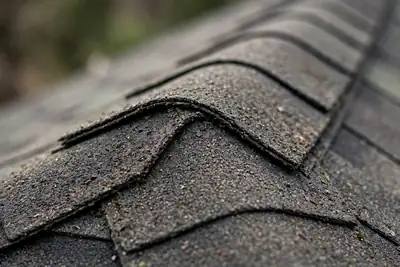
Ridge cap repair Weehawken NJ

Ridge Cap Repair

Wind-lifted ridge caps reseated or replaced — river wind works every peak in town.

Ridge cap repair
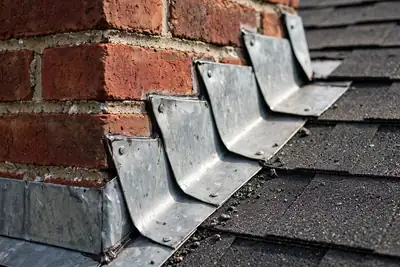
Chimney flashing repair Weehawken NJ

Chimney Flashing Repair

Step and counter flashing rebuilt with metal selection suited to salt-air exposure.

Flashing repair
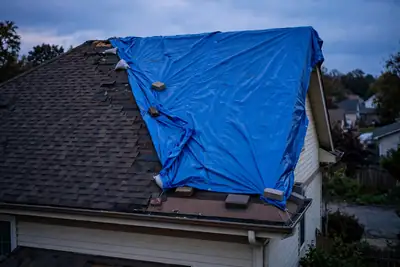
Emergency roof repair Weehawken NJ

Emergency Repair

Active leaks and storm damage — urgent response when water is coming in now.

Emergency help
Storm damage roof repair Weehawken NJ

Storm Damage Repair

Post-storm assessments with photo documentation after wind events.

Storm repair

Need Roof Repair in Weehawken, NJ?

Leaks, corroded flashing, storm damage, or drainage that won't keep up — call now to discuss roof repair options for your Weehawken property.

Call Now — (201) 330-4743

Emergency calls answered 24/7.

Roof Repair Service Area — Weehawken, NJ

View the Weehawken service area. This map illustrates the community rather than a contractor office.

☎ Call (201) 330-4743