24/7 Emergency Roof Repair — West New York, NJ (201) 330-4743
Union City Roof Repair Call (201) 330-4743

WEST NEW YORK • RESIDENTIAL ROOFING

Roof Repair in West New York, NJ

Roof leak, wind-torn shingles, failing flashing, or storm damage? West New York sits high on the Palisades, where wind hits harder and rain comes in sideways. Professional roof repair for elevated, wind-exposed roofs — from targeted leak fixes to full flashing rebuilds.

  • Built for wind exposure — repairs detailed for roofs where wind-driven rain, not just gravity, moves the water
  • Repair-first approach — a wind-torn ridge or failed flashing gets a targeted fix, not an automatic replacement
  • Emergency calls answered 24/7 — active leaks get urgent attention, day or night

No obligation. Call and describe what your roof is doing.
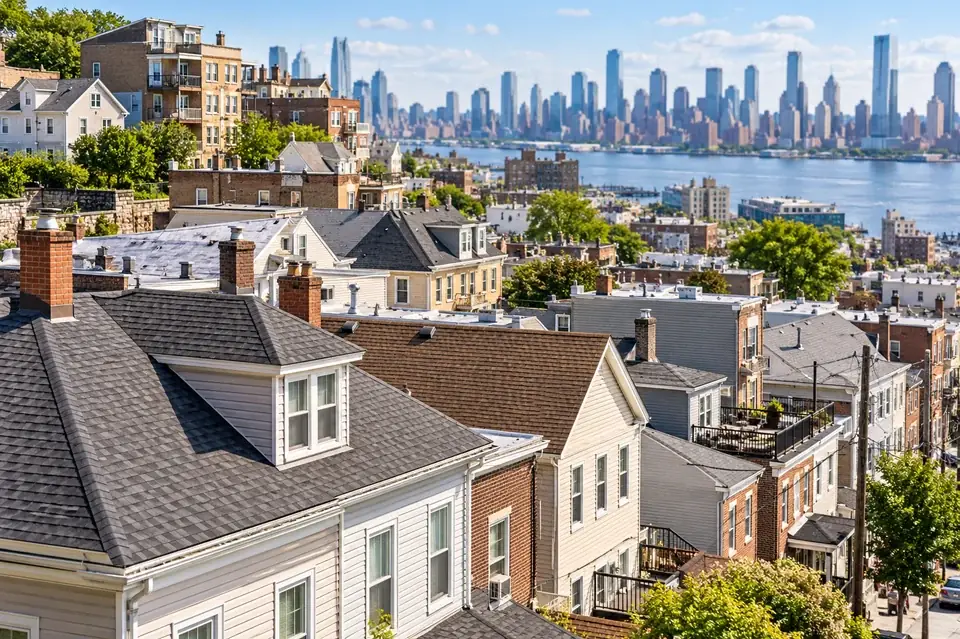
Residential rooftops in West New York NJ atop the Palisades
Illustrative roofing image — not an actual customer project.
THE REPAIR SERVICES

Roof Leak and Damage Repair Services

Rowhouses, pre-war apartment buildings, and mid-rise blocks on the Palisades crest — roofs up here take more wind than the towns below, and the repairs reflect that:

Roof Leak Repair

Tracing water to its entry — working upwind and uphill from the interior stain, because at elevation the source is rarely below the mark — then repairing the failed detail.

Shingle Roof Repair

Displaced, cracked, lifted, or missing shingles replaced and woven into the field, with fastening and sealing suited to wind exposure.

Flat & Low-Slope Roof Repair

Membrane seams, flashing transitions, and drainage problems repaired — including ponding that lingers after storms on low-slope sections.

Flashing Repair

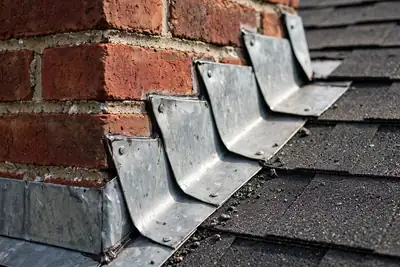
Leak problems around chimneys, roof-to-wall transitions, and penetrations rebuilt with compatible metals, woven course by course. Chimney flashing repair →

Storm Damage Repair

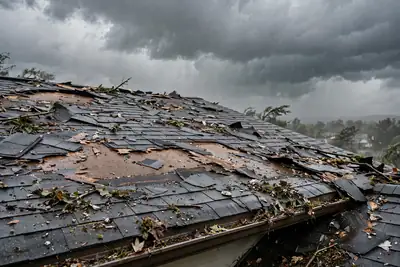
Wind-related damage assessed after severe weather, with photo documentation of what the storm did. Storm damage repair →

Drainage & Water Intrusion

Ponding and obstructed drainage corrected on the roof systems where standing water does the slow damage — seams, transitions, and low points.

Describe your roof type and the symptoms when you call — it helps scope the right repair faster.

WARNING SIGNS

Signs Your Roof May Need Repair

Ceiling stains

Brown rings or spreading discoloration inside. What it may indicate: water getting past the roof system — the entry is often uphill or upwind of the stain.

Active water dripping

Water coming in during or after rain. What it may indicate: an open breach in the roof. Contain it and arrange an assessment promptly.

Missing roofing materials

Bare patches or scattered shingles after wind. What it may indicate: wind uplift damage — each gap admits the next rain.

Loose flashing

Metal lifting where roof meets chimney or wall. What it may indicate: the seal at a penetration is failing — a classic leak path.

Moisture near walls or ceilings

Dampness at the top of walls or along ceiling edges. What it may indicate: flashing or edge failure letting wind-driven rain in.

Standing water on low-slope roofs

Water lingering days after rain. What it may indicate: drainage or slope problems stressing seams and membranes.

Symptoms point; they don't diagnose. A proper assessment traces the actual entry before any work is scoped.

TARGETED REPAIR METHODS

Shingle, Low-Slope and Flashing Repair Solutions

Repair methods depend on material compatibility, damage location, and roof condition — not on a one-size approach:

Asphalt shingles

The common pitched roofing here. Damaged shingles are replaced and woven into the field; on wind-exposed slopes, fastening and adhesive sealing get extra attention so the repair holds in the next storm.

Flat & low-slope membranes

Seam repairs, ponding corrections, and drainage work. These systems live or die by their water path — a patch over standing water is temporary.

Flashing & penetration details

Chimneys, walls, vents, skylights — where most leaks actually begin. Step flashing must be woven course by course; incompatible metals in contact cause galvanic corrosion. Flashing repair →

Pre-war & specialty materials

Older buildings may carry materials no longer manufactured. Matching gets as close as current production allows — thickness and coursing alignment matter more than exact color for keeping water out.

Repair methods selected for the roof system, affected detail, and conditions found during inspection.
LOCAL ROOFING KNOW-HOW

Roof Repair Considerations for West New York Properties

  • Palisades elevation & wind exposure — the town sits high above the Hudson, and storms arrive with force. Wind-driven rain defeats gravity-based shedding: shingles are designed for water running downhill, not water pushed uphill under laps.
  • Dense residential blocks — rowhouses and attached properties mean shared walls and party-line chimneys; leaks can travel between units and access often runs through tight lots.
  • Multifamily & mid-rise buildings — taller street faces complicate ladder and staging setup, which affects how inspections and repairs are planned and priced.
  • Pre-war building age — century-old brick, original flashing systems, and discontinued roofing materials are common; repairs must integrate with what's there.
  • Flat & low-slope arrangements — common on additions and larger buildings; these depend on working drainage, and clogged drains turn heavy rain into standing water over seams.
  • Flashing transitions — roof-to-wall joints and chimney bases work harder under wind loading here; they're the details to check first after any storm.

Not every building has the same configuration — but whichever of these apply to yours will shape the inspection and the repair plan. Describe your building when you call.

When Roof Damage Becomes an Emergency in West New York

Most roof wear can be scheduled. An emergency is when water is entering, the structure is compromised, or the roof is open to weather with more rain on the way.

In West New York's attached multifamily blocks, a leak rarely stays inside one unit for long — early action protects neighbors too.

  • Active interior water — drips, spreading stains, or bulging paint mean water is moving through the assembly right now. In West New York's multifamily blocks, neighbors may spot it first.
  • Visible openings — shingles torn off across a slope, lifted membrane, or daylight through roof boards leave no barrier to the next rain. West New York's stacked units mean a leak travels down, not just across.
  • Sagging or impact damage — a dipped section or tree-limb strike can hide structural damage — don't walk on it, and keep the area below clear. On West New York's dense blocks, wind tunnels between buildings and pries at edges.
  • Multifamily urgency — in West New York's attached blocks, one roof opening can affect several households; any post-storm opening should be treated as a multi-unit issue.

In West New York's stacked blocks, an opening affects more than your unit: Emergency help →. Winter adds its own risk — snow load on stacked flat roofs and ice-choked drainage: Winter roof emergencies →

Need Roof Repair in West New York?

Describe the roofing problem and discuss available repair options for your West New York property.

Call (201) 330-4743
STEP BY STEP

How Roof Repair Is Assessed and Completed

Every repair starts the same way — with the problem properly understood. A solid repair job generally follows this pattern:

1

Discuss the symptoms

What you're seeing, when it started, and the weather involved. "Only leaks when it's windy" is genuinely useful diagnostic information.

2

Inspect and trace entry points

The roofer checks the relevant roof areas — ridge and eave lines first at this elevation — and maps the leak to its actual entry.

3

Review findings and options

What's damaged, what the repair covers, what it costs, and what would expand the scope. You approve before work begins.

4

Complete and follow up

The agreed work is done with proper fastening and detailing, and the repair is checked afterward — including after the next wind-driven rain.

REPAIR OR REPLACE

Can Your Roof Be Repaired Without Full Replacement?

On West New York's aging housing stock this question comes up constantly. The honest answer is evidence-based: a wind-torn ridge on an otherwise sound roof is a repair. A flashing failure at one chimney is a repair. Only documented, widespread failure argues otherwise.

Localized repair may be reasonable

  • Damage limited to one area or roof line
  • Surrounding material remains serviceable
  • Compatible repairs are possible with available materials
  • No widespread underlying deterioration

Broader work may be necessary

  • Damage extends across multiple roof areas
  • Persistent leaks point to larger systemic failures
  • Structural or decking damage discovered on opening
  • Materials deteriorated extensively with age

A professional assessment is necessary to determine the right scope — and the evidence should be shown to you, not just asserted.

ESTIMATE FACTORS

What Affects Roof Repair Costs in West New York?

No invented prices here — but these are the factors that set the real number:

Repair size

One lifted section versus multiple wind-damaged lines across the roof.

Damage severity

Re-securing loosened materials versus rebuilding a failed flashing system.

Roofing material

Standard shingles versus specialty or discontinued materials that are harder to source.

Roof access

Tight lots and attached buildings complicate getting people and materials onto the roof.

Height & safety

Elevated and mid-rise buildings cost more to work on safely — staging and fall protection are real line items.

Hidden water damage

Sound decking versus rot found once the roof is opened — invisible until then.

Flashing complexity

A simple vent boot versus a full chimney flashing rebuild woven course by course.

Emergency vs. scheduled

Urgent dispatch costs more than planned work. A firm figure only exists after inspection.

COMMON QUESTIONS

West New York Roof Repair FAQs

Why does my roof only leak when it's windy?

Because the failure is at an edge or flashing line, not a hole in the field. Calm rain runs downhill off intact shingles; wind-driven rain gets pushed uphill under laps and through separated flashing. The fix targets the edge detail, not the whole slope.

Can a roof leak be repaired without replacing the whole roof?

In most cases, yes — if the failure is localized. One bad flashing run, a wind-damaged ridge section, or a single failed seam is a repair. Full replacement only makes sense with documented, widespread failure across the system.

What should I do if rainwater is entering my home?

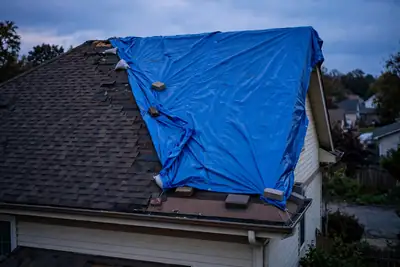
Contain it first: buckets under drips, move furniture and electronics, and stay off the roof yourself. Then call — an active leak needs urgent attention, and emergency tarping can stop the damage today while the permanent repair gets scoped after.

Is my pre-war roof too old to repair?

Age alone doesn't rule out repair. What matters is the condition of the system: sound decking, serviceable surrounding material, and available compatible repairs. Many pre-war roofs repair well for years — the assessment should document what's actually failing versus what's simply old.

Are flat roof leaks repairable?

Yes — membrane seams can be repaired, ponding corrected, and drains cleared. But a leak that keeps returning to the same spot usually means the underlying cause wasn't fixed. The repair has to resolve the water path, not just cover the symptom.

How do roofers locate the source of a leak?

By combining interior evidence — water trails, stained decking, attic daylight — with a roof-surface inspection, working upwind and uphill from the stain. At elevation, the entry is often surprisingly far from where the water shows inside.

When should storm damage be inspected?

After any major wind event, even if nothing looks wrong from the street. Check the ridge line, look for missing or lifted shingles, and note granule piles at downspouts. A professional post-storm assessment catches lifted flashing and creased shingles you'd miss from the ground.

Does a roofing repair require a permit?

It depends on the scope. In New Jersey, full roof replacements typically require a construction permit from the municipality, while minor repairs often don't — but requirements vary by town. Ask the contractor what's needed, and confirm with West New York's building department for your specific job.

RELATED REPAIRS

Specialized Roofing Repairs for Common Problem Areas

Certain failures deserve their own focus. These guides cover the ones West New York roofs see most:

Ridge cap repair West New York NJ

Ridge Cap Repair

Wind-shredded ridges rebuilt with fastening rated for Palisades exposure — the peak takes the worst of every storm up here.

Ridge cap repair
Chimney flashing repair West New York NJ

Chimney Flashing Repair

Century-old brick needs masonry and flashing rebuilt together — wind works these joints harder at elevation.

Flashing repair
Dormer repair West New York NJ

Dormer Repair

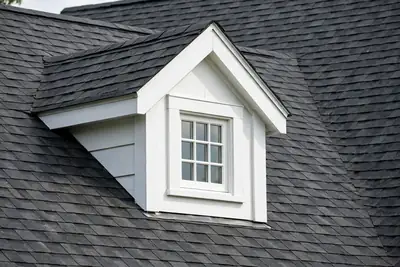
Leaking dormers — flashing, siding transitions, and valley work on the structures that catch the most wind.

Dormer repair
Emergency roof repair West New York NJ

Emergency Repair

Active leaks and storm damage — urgent response when water is coming in now.

Emergency help
Storm damage roof repair West New York NJ

Storm Damage Repair

Post-storm assessments with photo documentation after nor'easters and wind events.

Storm repair

Need Roof Repair in West New York, NJ?

Wind damage, a leak that only shows in storms, or flashing that's had enough — call and describe what your roof is doing. You'll get straight answers about repair options for your West New York home.
Call (201) 330-4743

Emergency calls answered 24/7.

Roof Repair Service Area — West New York, NJ

View the West New York service area. This map illustrates the community rather than a contractor office.

☎ Call (201) 330-4743