Water stains near the chimney, rust streaks on the brick, mortar crumbling where metal meets masonry — chimney flashing problems start small and get expensive. Get professional chimney flashing repair in West New York, NJ, from step flashing replacement to full counter-flashing rebuilds.

Chimney flashing is a system, not a single part. These are the specific repairs that system needs:
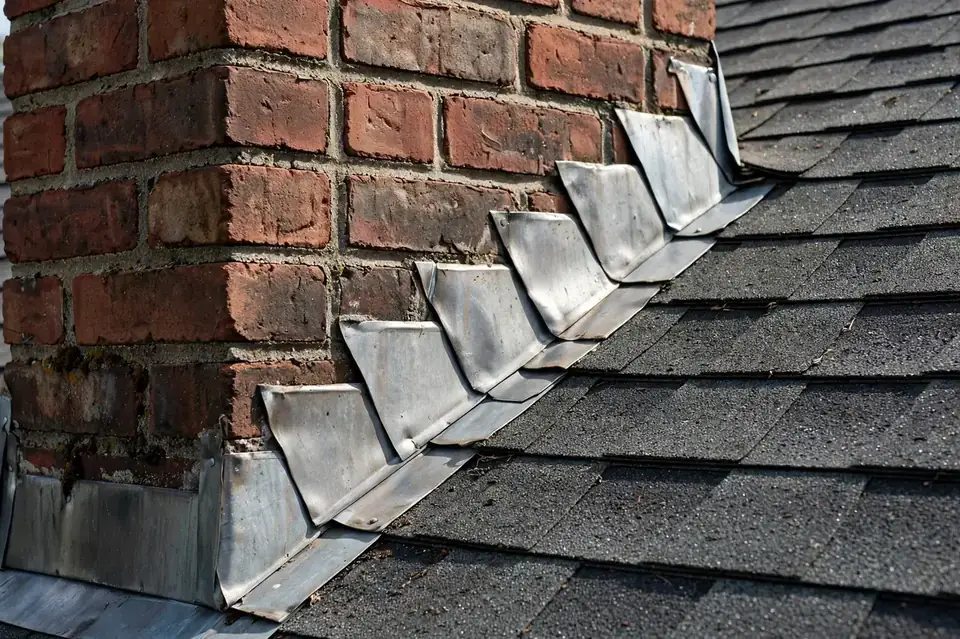
Small L-shaped metal pieces woven between shingle courses up both sides of the stack. When rusted through or bent by past work, they're removed course by course and new step flashing is woven in.
The outer metal anchored into the mortar joints and folded down over the step flashing. On pre-war stacks, fresh reglets — grooves cut into the mortar — mechanically lock the new counter-flashing in place.
When the metal is sound, correctly lapped, and firmly seated, but the sealant at the top edge has dried and cracked — old sealant is removed, the joint cleaned, and fresh sealant tooled in.
Flashing can't seal to crumbling masonry. Deteriorated joints are repointed before new flashing goes in — on West New York's older chimneys, this is often the first step, not an add-on.
The small peaked diverter behind wide chimneys. Without one, water and debris collect at the back wall — where flashing fails first. Recommended where the chimney exceeds roughly 30 inches in width.
Tracing water entry versus interior stain location. The stain near the chimney breast and the actual breach are routinely in different places — diagnosis maps the true path before any work is scoped.
Orange-brown bleeding below the flashing line. May indicate: the metal is corroding — once the coating wears through, rusted flashing can't be resealed.
Discoloration on ceilings or walls near the chimney breast, sometimes rooms away from the fireplace. May indicate: water riding decking and framing from a flashing breach.
Joints deteriorating where counter-flashing enters the brick. May indicate: the flashing is losing its anchor — and the metal will follow the mortar.
Water appears during sideways rain but not calm downpours. May indicate: a marginal joint that calm weather can't penetrate — a classic flashing signature.
Metal pulling away from the brick or lifting at edges. May indicate: counter-flashing worked loose from eroded joints or differential settling.
Damp, musty smell concentrated on the chimney side of the attic or upper rooms. May indicate: slow, ongoing intrusion that hasn't stained yet.
Symptoms point; they don't diagnose. Flashing, masonry, and cap problems can look alike from inside — inspection tells them apart.
The two-part assembly, done properly:
Each piece overlaps the shingle course below and sits under the course above, running up both sides of the chimney. Replacement means lifting the adjacent shingles, removing failed pieces, and weaving new metal in with correct overlaps — typically 2-inch minimum head laps.
Anchored into the mortar joints — never just surface-glued — and folded down over the step flashing. On pre-war stacks the old reglets have often widened with age, so fresh grooves are cut to mechanically lock the new metal.
New metal should match or be compatible with what's there. Mixing incompatible metals — copper against galvanized steel — starts galvanic corrosion that eats the joint. Galvanized steel is the workhorse; aluminum won't rust but dents; copper outlasts both at higher cost.
New flashing can't seal to crumbling masonry — repointing comes first. A caulk-only fix over failed metal or dislodged counter-flashing typically lasts a season or two. And if the chimney itself is failing (spalling brick, collapsed crown), that's masonry work before roofing work.
Not every property has every condition — but whichever apply will shape the inspection and the repair plan. Describe your building when you call.
Flashing is the seal where the chimney meets the roof — the most leak-prone joint on most homes. Minor flashing wear can wait for a scheduled visit; wind-peeled or displaced flashing cannot.
In West New York's attached multifamily blocks, a leak rarely stays inside one unit for long — early action protects neighbors too.
In West New York's stacked blocks, an opening affects more than your unit: Emergency help →. Winter brings its own chimney problems — freeze-thaw splits old mortar and works flashing loose: Winter roof emergencies →
Water entering around the chimney won't fix itself. Call to discuss chimney flashing repair options — from sealant renewal to full rebuilds with masonry work.
Call (201) 330-4743How a chimney flashing job moves from inspection to finished work:
Counter-flashing seating, step flashing condition, mortar joint integrity, cricket presence, and attic-side staining near the chimney are all examined — the stain's location and the breach's location are routinely different.
What's actually failing gets named: metal, mortar, or both. The inspection should distinguish a flashing defect from a masonry problem or a failed chimney cap — they need different trades.
The repair scope is defined and estimated — step flashing, counter-flashing, sealant, repointing, cricket — each element named, not just "fix chimney leak." Masonry-first sequencing is stated upfront when it applies.
The approved work is completed and the assembly checked. Standard rebuilds typically finish in a single visit once the masonry is sound.
Not every flashing problem gets the same repair. Which layer failed decides the scope:
Sealant over corroded flashing is a postponement, not a repair. The distinction between the two columns should be visible on inspection — ask to see which situation applies.
No invented prices — but these are the factors that set the real number:
Sealant refresh versus full step-and-counter replacement — different jobs, different costs.
Repointing deteriorated joints is separate work that often comes first on pre-war stacks.
Wide chimneys may need a cricket; tall stacks mean more setup and access work.
Dense blocks and shared walls complicate staging and material handling.
Brittle or discontinued shingles at the chimney base complicate the close-up work.
Urgent dispatch for active leaks costs more than planned work. A firm figure only exists after inspection.
When the metal is sound and still seated in its joints, a sealant refresh is legitimate maintenance. When the metal is rusted through or the counter-flashing has pulled out of the mortar, replacement is the only durable fix. The distinction should be visible on inspection — ask to see which situation applies.
Light rain may not deliver enough water to the failed joint to penetrate, while wind-driven rain is forced sideways directly into gaps. Intermittent leaking is still a compromised joint, and it worsens.
As the whole repair, no — not durably. Sealant is a component of a flashing assembly, not a substitute for one. A caulk-only fix over failed metal or dislodged counter-flashing typically lasts a season or two.
Then the masonry comes first. Flashing can't seal to deteriorating joints, so repointing usually precedes the metalwork — that's sequencing, not upselling. If the chimney itself is failing (spalling brick, collapsed crown), that's masonry work before roofing work.
A flashing leak comes from the metal assembly at the roof joint — separated counter-flashing, rusted step flashing, failed sealant. A masonry problem comes from the chimney itself — eroded joints, spalling brick, a failed crown. They can look identical from inside; inspection tells them apart, and they may need different trades.
A properly built assembly typically lasts as long as the surrounding roof, but sealant lines need periodic renewal and freeze-thaw works on mortar joints every winter. On pre-war chimneys, the masonry often sets the real timeline. Any specific answer comes from inspection, not a chart.
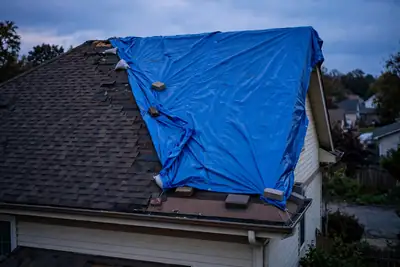
Contain it first: buckets under drips, move furniture and electronics, and stay off the roof. Then call — an active leak needs urgent attention, and emergency tarping can stop the damage today while the permanent repair is scoped after.
Chimney flashing rarely fails alone — these cover the roof's other exposed features:

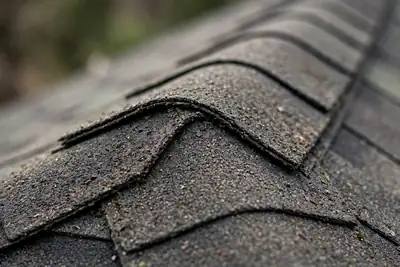
The roof's other most-exposed feature — worth checking in the same visit as the chimney.
Ridge cap repair
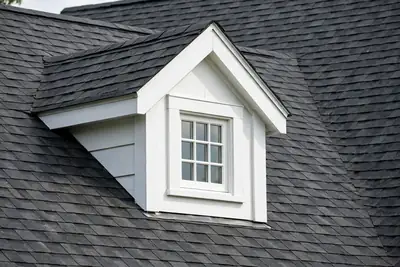
The same step-flashing craft at dormer cheeks — one mobilization covers both.
Dormer repair
The full-roof picture — puts any flashing problem in context with the whole system.
Roof repair hub
Active leaks around the chimney — urgent response when water is coming in now.
Emergency helpRust streaks, crumbling mortar, or water near the chimney — call now to discuss chimney flashing repair, from sealant renewal to full step-and-counter rebuilds.
Call Now — (201) 330-4743Emergency calls answered 24/7.