24/7 Emergency Roof Repair — Union City, NJ (201) 330-4743
Union City Roof Repair Call (201) 330-4743

Storm Damage Roof Repair in Union City, NJ

Nor'easters, summer cloudbursts, and high-wind events punish Hudson County roofs. Storm damage roof repair in Union City means documented inspection, emergency protection, and lasting repairs — call to get started.

  • Documented storm damage assessments — damage photographed and mapped, with written findings
  • Emergency protection — tarping and sealing to stop water intrusion until repairs are scheduled
  • Wind, hail & debris repairs — shingles, ridge caps, flashing, and membranes

Emergency calls answered 24/7.
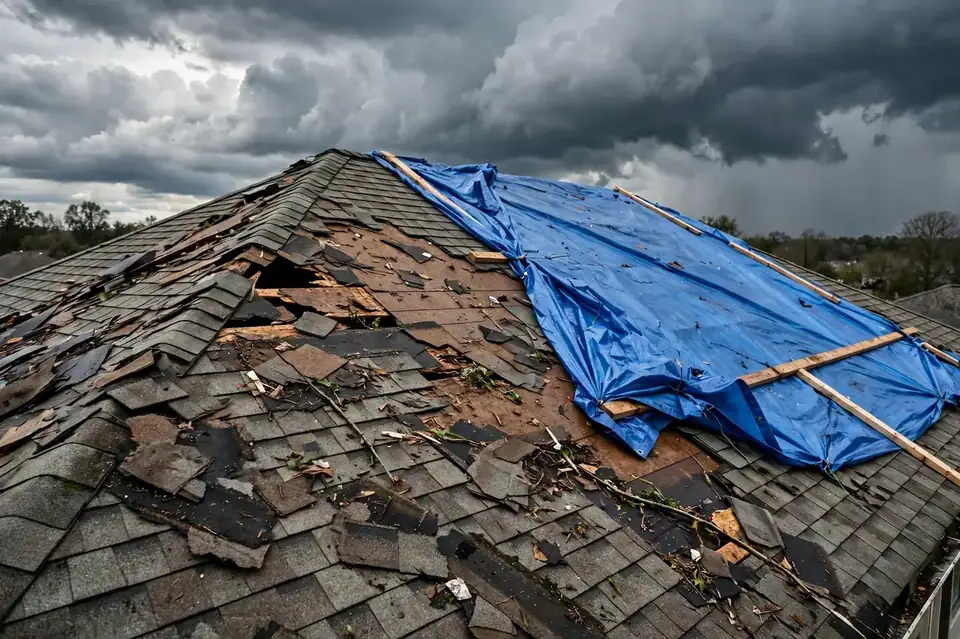
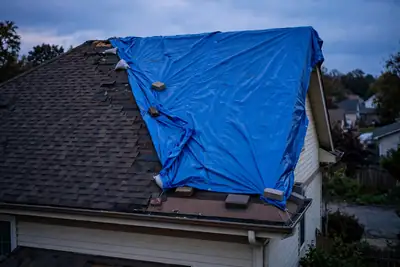
Storm-damaged residential roof in Union City NJ
Illustrative roofing image — not an actual customer project.

Wind and Storm Roof Damage Services

Storms damage roofs in specific ways — and each type of damage has a specific repair:

Wind-Lifted Shingle Repair

Shingles creased, torn, or lifted by wind uplift are replaced individually and woven into the field. Surrounding courses are checked for broken adhesive seals that haven't lifted yet.

Ridge Cap Repair

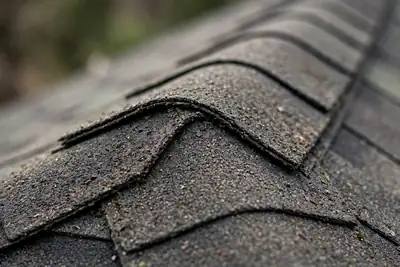
The peak takes the worst of every storm. Wind-damaged caps are reseated or replaced with full adhesive seal and proper fastening. Ridge cap repair →

Flashing Damage Repair

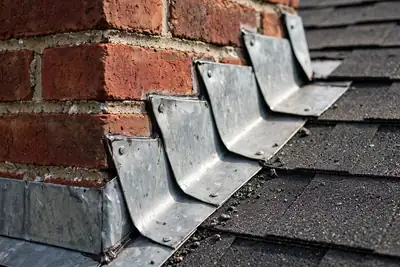
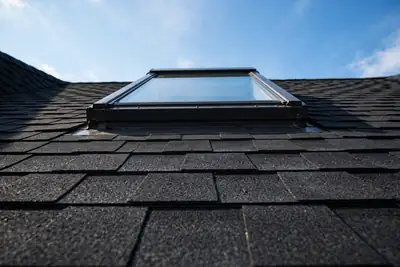
Wind-driven rain forces water under flashing at chimneys, walls, and skylights. Damaged step and counter flashing is rebuilt, woven course by course. Chimney flashing repair →

Emergency Tarping & Mitigation

Temporary protection over breached areas — tarping and sealing to stop water intrusion now, holding the line until permanent repairs are scheduled.

Membrane Puncture Repair

Fallen branches and debris puncture flat-roof membranes. Punctures are patched with compatible membrane material, and the surrounding seams are checked for stress.

Hail Damage Assessment

Hail bruises shingles in ways invisible from the ground — granule loss, soft spots, cracked mats. Impact marks are documented and affected areas repaired.

Post-Storm Signs to Check From the Ground

After any major wind event, check these — from the ground, never by climbing the roof:

Stay off a storm-damaged roof. Document visible damage from a safe location and keep clear of fallen electrical lines or compromised structures.

Missing or creased shingles

Bare patches or shingles bent at sharp angles. What it may indicate: wind uplift damage. Next step: each gap admits the next rain — arrange an inspection.

Lifted or scattered ridge caps

Crooked or missing caps along the peak. What it may indicate: the most wind-exposed line took a direct hit. Next step: ridge damage is quick to repair when caught early.

Granule piles at downspouts

Heavy sand-like granules washing out after a storm. What it may indicate: shingle surface damage from hail or wind scouring. Next step: granule loss thins the roof's protection — have it assessed.

Dented vents and flashing

Visible dents on metal vents, flashing, or gutters. What it may indicate: hail or debris impact. Next step: dents can crack the seals around penetrations even when the metal looks intact.

Interior stains appearing days later

New ceiling stains a week or more after the storm. What it may indicate: a lifted seal or cracked flashing that sat dry, then failed in the next rain. Next step: delayed leaks still trace back to the storm — document the timeline.

Fallen branches on the roof

Limbs or debris resting on slopes or flat sections. What it may indicate: puncture or impact damage underneath. Next step: don't pull embedded debris out yourself — it may be plugging the hole.

Shingles, Ridge and Flashing Damage

Storm repairs live or die on the details — here's what technically sound repair work involves:

Shingle repairs

Damaged shingles are replaced individually and woven into the existing field. Matching thickness and coursing alignment matters more than exact color — a proud patch creates a new water channel.

Ridge caps

Caps need full adhesive seal and proper nailing to hold in the next storm. A cap held by a single nail is a sail — wind detailing is what separates a repair that holds from one that doesn't.

Flashing systems

Step flashing must be woven shingle-course by shingle-course, never face-nailed and caulked. Flashing metals must be compatible — copper against galvanized steel causes galvanic corrosion that eats the joint.

Membranes & low-slope areas

Punctures and stressed seams are patched with compatible membrane material. Sealant alone is never the repair — it's the gasket behind properly lapped materials.

Realistic limitations: repairs integrate with the existing roof. Discontinued materials get the closest available match, and storm damage widespread enough to compromise whole slopes may exceed what repair can responsibly cover — the assessment should say so plainly.

Storm Damage Assessment Process

How storm damage moves from inspection to completed repair:

1

Inspection

Roof, attic, and interior are photographed and mapped. Damage is documented with reference to the storm date — creating the record everything else depends on.

2

Findings

What's storm-caused versus pre-existing wear is identified and explained with the photos — so the scope rests on evidence, not assumptions.

3

Scope & Estimate

A targeted repair scope and estimate based on the findings: what failed, what the fix includes, and what would expand it.

4

Agreed Work & Checks

Repairs are completed with proper materials and fastening, then verified — including photo documentation of the finished work.

Repair vs Replacement After Storms

A wind-torn ridge on an otherwise sound roof is a repair. A flashing failure at one chimney is a repair. Only documented, widespread storm damage argues for more:

Localized repair may be suitable for

  • Isolated wind damage to one section or roof line
  • Limited shingle loss with sound surrounding material
  • Single flashing or penetration failures
  • Membrane punctures with intact surrounding seams

Broader work may be necessary for

  • Widespread shingle loss across multiple slopes
  • Multiple independent failure points from one storm
  • Decking or structural damage beneath the surface
  • A roof system already near the end of its service life

Costs, Documentation and Insurance Questions

No invented prices — but these are the factors that set the real number:

Extent of damage

One lifted section versus multiple wind-damaged lines across the roof.

Roof access & height

Low slopes versus multi-story faces — access and safety setup change the price.

Materials

Standard shingles versus tile or specialty materials that cost more to source.

Flashing complexity

Re-securing loosened flashing versus a full chimney flashing rebuild.

Hidden moisture damage

Sound decking versus rot found on opening — invisible until the roof is opened.

Emergency vs. scheduled

Urgent mitigation costs more than planned repair work. A firm figure only exists after inspection.

Documentation & insurance — what to know

  • Photograph before cleanup — roof (from the ground), yard debris, and interior stains, with the storm date noted.
  • Keep damaged materials — don't discard torn shingles or bent flashing; adjusters want to see them.
  • Get the findings in writing — a written scope with photos is what supports any insurance conversation.
  • No coverage promises — whether damage is covered depends on your policy and your insurer's adjuster, not on the roofer. Be skeptical of anyone who promises a claim outcome.

When Storm Damage Can't Wait in Union City

Not every storm mark is an emergency — a few lifted shingles can sometimes wait for a scheduled repair. But some storm damage leaves the roof open to the next rain, and waiting turns a one-day fix into interior damage.

In Union City's dense rowhouses, water can travel along shared walls, so a small stain can involve more than one unit — don't assume it stays small.

  • Water coming in — active drips or spreading ceiling stains after the storm mean the envelope is breached; contain what you can and call now. In Union City's attached blocks, this can affect the neighboring unit too.
  • Openings to the sky — missing shingle patches, torn membrane, or a puncture you can see daylight through need same-day covering. Union City's rowhouse parapets channel wind-driven rain along shared walls.
  • Sagging or shifted structure — any dip, lean, or displaced section after wind or impact is a safety issue first and a roofing issue second — keep clear and call. On Union City's flat rowhouse roofs, ponding finds the weak point fast.
  • Rowhouse water travel — in Union City's attached blocks, storm water entering one roof can surface two doors down; if neighbors report leaks too, the whole roofline needs covering, not just your section.

In Union City, where one roof often touches the next, don't wait on an opening: Emergency help →

Need Storm Damage Roof Repair in Union City?

Describe the damage and discuss repair options. Emergency calls answered 24/7 — no unsupported dispatch promises, just a straight conversation about what your roof needs.

Call (201) 330-4743

Storm Damage Roof Repair Considerations for Union City Properties

  • Rowhouses & multi-unit properties — dense blocks mean party-wall chimneys and shared rooflines; wind works every flashing joint along them, and leaks can travel between units.
  • Roof-to-wall joints — where additions and dormers meet the main roof, these transitions concentrate wind-driven rain and deserve first attention after a storm.
  • Low-slope drainage — flat and low-slope sections depend on working drains; storm debris clogs them fast, turning heavy rain into standing water over seams.
  • Access constraints — tight lots and multi-story street faces complicate ladder and staging setup, which shapes how post-storm inspections and repairs are planned.
  • Wind exposure — the town's position along the Hudson funnels wind across the ridge; ridge caps, eaves, and every penetration work harder here than on sheltered streets.

Not every property has every configuration — but whichever apply will shape the assessment and the repair plan. Describe your building when you call.

Storm Damage Roof Repair FAQs

What does storm damage to a roof look like?

Missing or creased shingles, lifted ridge caps, dented vents and flashing, granule piles in gutters, and interior water stains appearing days after the storm. Some damage is only visible from the roof itself — which is why post-storm inspections matter.

How soon after a storm should the roof be inspected?

As soon as it's safe to do so. Early documentation strengthens both the repair plan and any insurance conversation — and temporary protection prevents a small breach from becoming major water damage.

Should the roof be tarped before repairs?

If water is getting in or the breach is exposed, yes — temporary tarping and sealing stops further intrusion while permanent repairs are scheduled. It's mitigation, not the repair itself.

Will insurance cover the storm damage?

That depends on your policy and your insurer's adjuster — not on the roofer. What helps any claim is documentation: dated photos taken before cleanup, kept damaged materials, and a written scope of findings. No honest roofer can promise a coverage outcome.

Can hail damage be repaired, or does it need replacement?

It depends on extent. Isolated hail bruising and granule loss can often be addressed with targeted repairs; widespread mat damage across whole slopes may exceed repair scope. The assessment should document which one you're looking at.

What should I document before cleanup?

Photograph the roof from the ground, yard debris, and any interior stains — and note the storm date. Keep torn shingles, bent flashing, or other damaged materials instead of discarding them.

How long do storm repairs take?

Temporary protection typically happens quickly once arranged; permanent repairs follow once the scope is agreed. Timelines depend on damage extent, materials, and scheduling — the scope should state them plainly rather than promising a fixed date upfront.

Need Storm Damage Roof Repair in Union City, NJ?

Wind damage, a leak that appeared after the storm, or debris impact — call now to discuss repair options for your Union City roof.

Call Now — (201) 330-4743

Emergency calls answered 24/7.

☎ Call (201) 330-4743