24/7 Emergency Roof Repair — Union City, NJ(201) 330-4743
Union City Roof Repair Call (201) 330-4743

Chimney Flashing Repair in Union City, NJ

Water staining the ceiling near the chimney? On Union City's rowhouses, the metal flashing where brick meets roof fails more often than the chimney itself. Chimney flashing repair seals that joint — step flashing, counter flashing, and the mortar they seat into, rebuilt to keep water out.

  • Flashing-specific diagnosis — flashing failure vs. masonry failure identified before any work is scoped
  • Proper step and counter flashing — woven into shingle courses, seated in sound mortar
  • Shared-chimney repairs — party-wall flashing sealed for the whole chimney, both sides
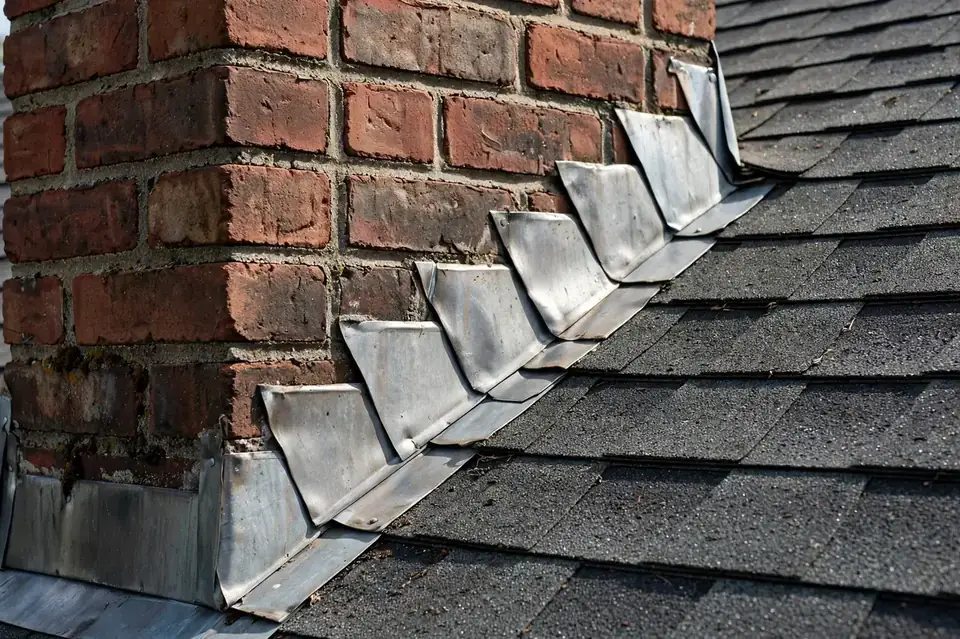
Chimney flashing repair where a brick chimney meets the roof in Union City NJ
Illustrative roofing image — not an actual customer project.

Chimney Leak and Flashing Repair Services

Chimney flashing is a system, not a single part. These are the specific repairs that system needs:

Step Flashing Replacement

Corroded or displaced step flashing removed and replaced — each L-shaped piece woven back into the shingle courses up both sides of the chimney, shedding water onto the shingle below like scales.

Counter Flashing Rebuild

New counter flashing set into repointed mortar joints and folded down over the step flashing — the second layer that sheds water onto the first.

Flashing Reseal

When the metal is sound and only the sealant has failed: old caulk removed, new sealant properly tooled. A legitimate, limited repair — not a shortcut.

Chimney Cricket Installation

A small peaked diverter framed on the uphill side of wide chimneys. It splits water and debris flow around the chimney instead of letting them dam against the masonry.

Mortar Repointing for Flashing

Soft, crumbling mortar joints repointed so new counter flashing seats into something solid. New flashing on bad mortar is money wasted.

Apron Flashing Repair

The downhill face of the chimney, where ponding water tests every seam — repaired or replaced as part of the full flashing assembly.

Signs Chimney Flashing Needs Repair

Ceiling stains near the chimney

The classic symptom. What it may indicate: water getting past the flashing at the roofline. Next step: note whether it appears in every rain or only wind-driven ones — that distinction helps the diagnosis.

Damp or spalling brick

Masonry that stays wet, or brick faces flaking off. What it may indicate: water entering at the roofline and wicking into the chimney. Next step: the mortar and flashing joint need inspection, not just the brick.

Rust streaks down the chimney

Orange-brown staining on brick or shingles below the flashing line. What it may indicate: corroded flashing or fasteners bleeding rust. Next step: corroded metal doesn't heal — it needs replacement.

Visible gaps or lifted metal

Flashing pulling away from the chimney or shingles, sometimes visible from the ground. What it may indicate: failed sealant, loosened mortar, or wind displacement. Next step: gaps admit every rain until they're closed.

Cracked or missing sealant

Dried, split caulk lines where counter flashing meets the brick. What it may indicate: the seal at the flashing-to-masonry joint has failed. Next step: if the metal underneath is sound, a proper reseal may be enough.

Musty smell near the chimney

A damp odor in rooms adjacent to the chimney with no visible stain yet. What it may indicate: a slow, chronic flashing leak wetting framing or insulation. Next step: don't wait for the stain — slow leaks do the most hidden damage.

Step and Counterflashing Solutions

How the flashing system is built — and what the material choices mean:

Step Flashing

Individual L-shaped pieces, typically aluminum or galvanized steel, woven into the shingle courses. Each piece sheds water onto the shingle below. Continuous flashing instead of step flashing is a common original-sin installation — it can't flex with the courses and fails early.

Counter Flashing & Reglet

The second layer, embedded in the chimney's mortar joints and folded down over the step flashing. The reglet — the groove cut into the mortar joint that holds the counter flashing — is only as good as the mortar around it. When mortar softens, the reglet fails with it.

Material Options

Copper and lead-coated copper last longest at the chimney joint but cost more; aluminum is the common standard. Metals must be compatible — copper set against galvanized steel causes galvanic corrosion that eats the joint.

Scope & Limitations

Flashing work seals the roof-to-chimney joint — it doesn't fix a cracked crown, saturated brick, or a failing flue liner. Those are masonry problems with masonry solutions, and they need to be identified before flashing work starts, not after.

Chimney Flashing Repair Considerations for Union City Properties

  • Party-wall chimneys — most Union City chimneys are shared between two attached homes. The flashing seals the joint for the whole chimney, so a failure can stain either unit's ceiling. Establish what's being fixed and why before work starts.
  • Old mortar — decades of freeze-thaw have worked on the mortar joints holding the counter flashing. Repointing is frequently part of the job here, not an upsell.
  • Wind-driven rain — nor'easters drive rain sideways into every chimney joint, testing flashing the way vertical rain never does. Leaks during wind-driven rain may involve flashing, masonry joints, or other nearby roof details; inspection is needed to identify the entry point.
  • Roof access — tight lots and multi-story street faces make staging a real part of the job on these blocks.
  • No invented history — every chimney is assessed on its own condition. Age makes failure likely; only inspection makes it certain.

When Flashing Failure Becomes an Emergency in Union City

Flashing is the seal where the chimney meets the roof — the most leak-prone joint on most homes. Minor flashing wear can wait for a scheduled visit; wind-peeled or displaced flashing cannot.

In Union City's dense rowhouses, water can travel along shared walls, so a small stain can involve more than one unit — don't assume it stays small.

  • Water tracing the chimney — stains spreading outward from the chimney breast, or drips in the attic around the chase, point to a failed seal. In Union City's attached blocks, this can affect the neighboring unit too.
  • Flashing visibly lifted — metal bent back or daylight showing along the chimney base after wind leaves a direct path for rain. Union City's rowhouse parapets channel wind-driven rain along shared walls.
  • Saturated masonry — brick that stays dark and wet days after rain is absorbing water through failed flashing — stop the entry before it spreads. On Union City's flat rowhouse roofs, ponding finds the weak point fast.
  • Party-wall chimneys — Union City's shared chimney stacks serve two homes; flashing failure on a party-wall chimney can leak into both.

In Union City, where one roof often touches the next, don't wait on an opening: Emergency help →. Winter brings its own chimney problems — freeze-thaw splits old mortar and works flashing loose: Winter roof emergencies →

Need Chimney Flashing Repair in Union City?

Water near the chimney only gets worse with the next rain. Call to discuss chimney flashing repair options for your Union City home.

Call (201) 330-4743

Masonry, Mortar and Cricket Considerations

How a chimney flashing job typically moves from inspection to finished work:

1

Inspection

The full chimney assembly is examined — step flashing, counter flashing and mortar joints, crown and cap, cricket (or its absence), apron flashing, and attic-side evidence around the chimney chase.

2

Findings

What's failing and why: flashing vs. masonry failure, mortar condition, whether the chimney needs a cricket. Flashing and masonry leak identically from inside the house — the inspection tells them apart.

3

Scope & Estimate

The repair scope is defined — reseal or full reflash, repointing needed or not — and the estimate follows the scope. No guaranteed method or timeline is promised before the chimney is seen.

4

Agreed Work & Checks

The agreed work is completed: old flashing out, masonry addressed, new flashing installed, shingles re-laid, seams sealed — and the finished assembly is shown before the roof is left.

Repair vs Full Flashing Rebuild

Not every chimney leak needs new flashing. The right scope depends on what's actually failing:

Localized repair may be enough

  • Metal is sound, only the sealant has cracked — a proper reseal
  • One displaced step flashing piece, mortar still solid
  • Small apron flashing section damaged, rest of system healthy
  • Cricket missing on a wide chimney — added without full reflash

Full rebuild (reflash) is the right call

  • Step flashing corroded or displaced across the chimney
  • Counter flashing pulled out of failed, crumbling mortar
  • Original installation was wrong (continuous flashing, no step system)
  • Wide chimney with chronic damming and no cricket

Sometimes the honest answer is that the masonry is the problem — a cracked crown or saturated brick leaking through the chimney itself. In that case flashing work won't stop the leak, and that needs to be said before a reflash is sold.

Chimney Flashing Repair Cost Factors

No invented prices — but these are the factors that set the real number:

Chimney width

The biggest variable. A wide chimney means more step flashing pieces, longer counter flashing runs, and possibly a cricket that has to be framed.

Masonry condition

Sound mortar means new counter flashing seats cleanly. Crumbling joints need repointing first — a separate, real part of the job.

Roof pitch & access

Steeper pitches and difficult access add labor time to every part of the work.

Shingle courses disturbed

How many shingle courses must be lifted and re-laid around the chimney to access and integrate the new flashing.

Hidden damage

Rotted sheathing or saturated framing discovered once the old flashing comes off can widen the scope.

Material choice

Standard aluminum versus copper or lead-coated copper moves the number — and the lifespan.

An on-site inspection is the only honest basis for a quote.

Chimney Flashing Repair FAQs

How do I know if my chimney is leaking from the flashing or the masonry?

From inside the house they look identical, which is why the inspection matters. Step and counter flashing are checked for integrity and whether they're seated in sound mortar. If the flashing is good but the crown is cracked or the brick is saturated, the masonry is the source — and flashing work won't fix it.

Can chimney flashing be repaired, or does it always need full replacement?

It can often be repaired. If the metal is sound and only the sealant has failed, a proper reseal is legitimate. Full replacement — a reflash — is needed when step flashing is corroded or displaced, counter flashing has pulled out of failed mortar, or the original installation was wrong.

What is a chimney cricket and does mine need one?

A cricket is a small peaked diverter framed on the uphill side of a chimney. It splits water and debris flow around the chimney instead of letting them dam against the masonry. Wide chimneys without one are chronic leakers — the inspection will show whether yours qualifies.

Why does my chimney only leak in wind-driven rain?

Wind drives water sideways into joints that vertical rain never reaches — typically gaps in step flashing or failed sealant on the windward side. Leaks that only appear in storms point to the flashing system rather than the masonry.

My chimney is shared with my neighbor. Who handles the flashing repair?

The flashing seals the joint for the whole chimney, so the repair benefits both sides. Talk to your neighbor before work starts — the scope of what's being fixed and why is usually enough to settle the question.

What factors affect the cost of chimney flashing repair?

Chimney width, masonry condition (sound mortar versus repointing needed), roof pitch and access, how many shingle courses must be disturbed, hidden sheathing damage, and material choice. The chimney has to be seen to quote honestly.

How long does a chimney flashing repair take?

A reseal can be done in a few hours. A full reflash with repointing is typically a full day's work: removing old flashing, addressing the masonry, installing new step and counter flashing, and re-laying the surrounding shingles.

Related Roof Repairs

Chimney leaks are routinely misdiagnosed — these cover the usual suspects:

Ridge cap repair Union City NJ

Ridge Cap Repair

Ridge damage above the chimney lets water track down to the chimney chase — check the peak before blaming the flashing.

Ridge cap repair
Skylight repair Union City NJ

Skylight Repair

Skylights near chimneys fail in similar ways and leak identically from inside — learn to tell them apart.

Skylight repair
Storm damage roof repair Union City NJ

Storm Damage Repair

Post-storm assessments with photo documentation — wind is what usually finishes off aging flashing.

Storm repair

← Back to Roof Repair in Union City

Need Chimney Flashing Repair in Union City, NJ?

Stains near the chimney, rust streaks, or lifted flashing — call now to discuss chimney flashing repair for your Union City home.

Call Now — (201) 330-4743

Emergency calls answered 24/7.

☎ Call (201) 330-4743