24/7 Emergency Roof Repair — Union City, NJ (201) 330-4743
Union City Roof Repair Call (201) 330-4743

Emergency Roof Repair in Union City, NJ

Water coming in right now? Shingles torn off by last night's wind? Emergency roof repair in Union City starts with stopping the water — emergency tarping and temporary protection, then the permanent fix.

  • Emergency calls answered 24/7 — reach help any hour, day or night
  • Temporary protection first — emergency tarping to stop active water intrusion
  • Permanent repair after — full assessment and lasting fix once the immediate threat is controlled
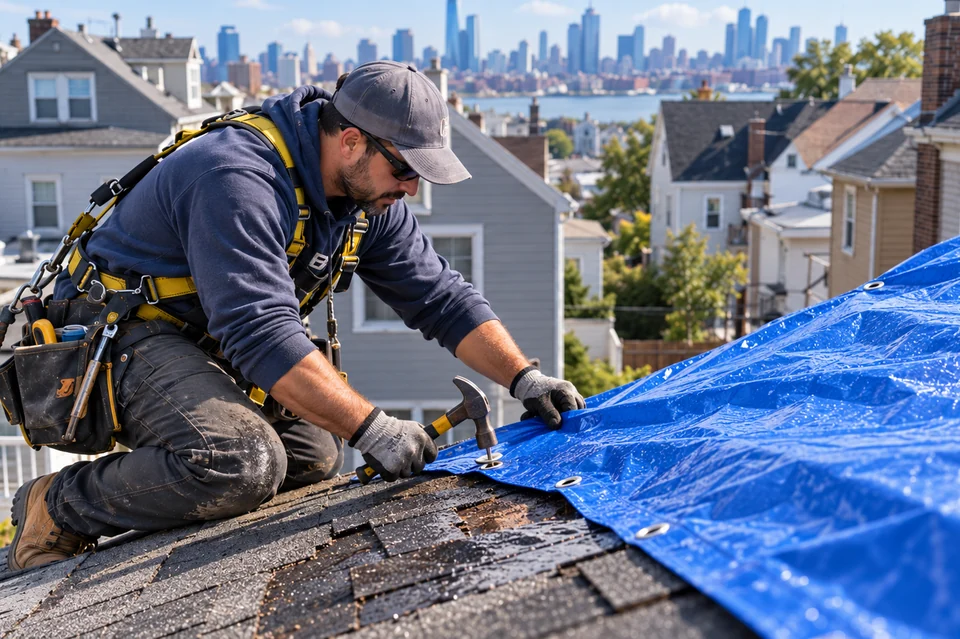
Emergency roof tarping and leak-control work in Union City NJ
Illustrative roofing image — not an actual customer project.

Urgent Roofing Problems That Need Attention

Not every roof problem is an emergency — but these are. If any of these are happening now, call:

Active Water Intrusion

Drips, streams, or spreading stains during or after rain. Water inside the home means the roof's weather barrier is breached — every hour of intrusion multiplies the damage to decking, insulation, and drywall.

Storm-Created Openings

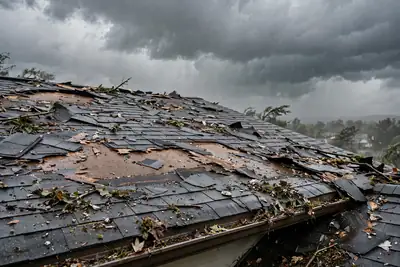
Sections of shingles or ridge caps torn away by wind, leaving decking or underlayment exposed. An open roof takes the full force of the next rain.

Fallen Tree Hazards

Limbs or branches through the roof surface. Fallen debris can puncture decking, break structural members, and shift with every gust — treat the area as unstable.

Exposed or Sagging Structure

Visible decking, sagging roof lines, or partial collapse. Any structural deformation is a safety issue — get out from under it and call.

Unsure whether it's urgent? Describe what's happening on the call — urgency can be triaged by phone in minutes.

Emergency Leak Mitigation Options

Contain interior water

Buckets under drips, towels at the edges, and move furniture and electronics out of the path. Next step: containing the water now limits what the repair has to undo later.

Cover from safety only

If a tarp can be secured from a window or the ground, it can slow the intrusion. Next step: never climb onto a wet or damaged roof — that's the dangerous part, and it belongs to the repair visit.

Watch for electrical hazards

Water near wiring, light fixtures, or the electrical panel is dangerous. Next step: stay clear of wet electrical areas; if water is reaching the panel, call an electrician as well.

Document the damage

Photograph interior damage, the roof if visible from the ground, dates, and weather conditions. Next step: documentation supports both the repair scope and any insurance claim.

What to Do Safely During Active Leaks

Until help arrives, the goal is simple: limit water entry without creating new danger.

If water is near electrical fixtures, avoid touching affected switches or appliances and seek qualified help. Do not climb onto a wet or storm-damaged roof.

Temporary tarps

A properly secured tarp over the damaged area sheds water away from the breach. Tarps are temporary protection — they buy time, not a repair. Only attempt what can be done safely from the ground or a window.

Emergency sealing limits

Temporary sealants can slow a leak at a flashing line or small puncture, but they are not a substitute for rebuilt flashing or replaced materials. Anything sealed in an emergency still needs the permanent fix.

Material compatibility

Temporary measures must not trap water against the roof or react with existing materials. The permanent repair uses materials compatible with what's already on the roof — matched metals, proper membranes, correct fasteners.

Realistic scope

Emergency work stops the water; it doesn't rebuild the roof. The lasting repair — new flashing, replaced shingles, rebuilt sections — is scoped and scheduled after the immediate threat is controlled.

Emergency Roof Assessment and Temporary Protection

How an emergency call typically moves from crisis to controlled:

1

Inspection

The damaged roof is inspected — safely, with proper equipment — to find every breach, not just the obvious one. Attic and interior evidence map the water's path.

2

Findings

What's damaged, what caused it, and what the immediate risk is. You'll hear plainly what the roof needs right now versus what can wait for the permanent repair.

3

Scope and estimate

The temporary protection and the permanent repair are scoped separately, with the cost of each explained before any work starts.

4

Agreed work and checks

Emergency protection goes on first. The permanent repair follows on schedule — and the work is checked after completion.

Temporary Tarping vs Permanent Repair

Both have their place. Here's what each one does — and doesn't do:

Temporary tarping

  • Stops active water intrusion fast
  • Protects interior and structure from further damage
  • Buys time to scope the real repair properly
  • Not a repair — it degrades with sun and wind

Permanent repair

  • Rebuilds the failed flashing, shingles, or membrane
  • Restores the roof's weather barrier for the long term
  • Matched to existing materials and properly fastened
  • Scheduled after the emergency is controlled

A tarp without a follow-up repair is just a slower leak. The emergency visit should always end with a plan for the permanent fix.

Emergency Service Availability and Cost Factors

No invented prices — but these are what set the real number on an emergency call:

Access and height

Emergency work on a multi-story face or tight lot costs more to set up safely than a low, accessible slope.

Materials needed

Tarps and temporary protection versus the permanent materials — flashing, shingles, membrane — each priced on what the job actually uses.

Extent of damage

One lifted section versus multiple breaches across the roof. More openings mean more protection and more repair.

Related damage

Water-damaged decking, soaked insulation, or compromised structure discovered during the emergency adds scope.

Timing

After-hours and severe-weather emergency work reflects the urgency. A clear price is given before any work starts.

Availability, stated plainly: calls are answered 24/7. When emergency help can reach your roof depends on conditions and current demand — the call triages urgency first.

Need Emergency Roof Repair in Union City?

Active leak, storm damage, or a roof that's suddenly open to the sky — call now. Calls are answered 24/7.

Call (201) 330-4743

Emergency Roof Repair Considerations for Union City Properties

  • Rowhouses and attached buildings — shared walls mean water can travel between units; emergency protection may need to cover more than one roofline, and neighbors may need to be informed.
  • Multi-unit properties — taller street faces complicate emergency access; staging and safety setup take longer on multi-story buildings.
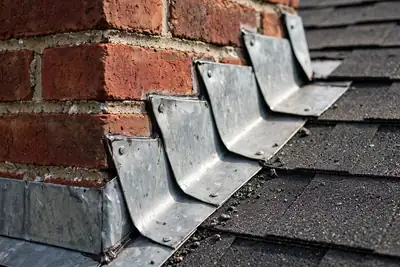
  • Roof-to-wall joints — party-wall chimneys and shared-wall flashing are frequent emergency failure points; they're the first details checked when water appears after wind.
  • Low-slope drainage — flat sections depend on working drains; in a storm, a clogged drain turns the whole low-slope area into standing water over every seam.
  • Access constraints — tight lots and dense blocks limit where ladders and equipment can go, which shapes how emergency protection is deployed.

Not every property has every configuration — but whichever apply to yours will shape the emergency response. Describe your building when you call.

Emergency Roof Repair Across Hudson County, NJ

Roof emergencies don't stop at city lines — and neither does this service. Emergency calls from anywhere in Hudson County are answered 24/7, and each call is connected with an independent roofing contractor who handles emergency work in that area.

  • Union City, West New York & North Bergen — dense blocks of rowhouses and attached multifamily buildings. Shared walls and party-line roofs mean water can travel between units, so emergency protection sometimes has to cover more than one roofline.
  • Weehawken — Hudson riverfront exposure brings driving wind and rain; waterfront blocks see wind-lifted flashing and membrane damage after coastal storms.
  • Secaucus — a mix of residential streets and large commercial and warehouse roofs. Big flat roof areas can pond and fail suddenly under heavy rain, sending water across wide spans.

Wherever you are in the county, the first step is the same: describe what you're seeing — the water entry point, roof type, and building height — so the call goes out with the right urgency. For active interior water intrusion, call now; for damage found after a storm, call before the next rain.

Seasonal Roof Emergencies in Hudson County, NJ

Hudson County's winters and storm seasons each bring their own roof emergencies — around 30 inches of snow a year, nor'easters that linger for days, and summer cloudbursts that overwhelm flat-roof drains. Here's what each season does to local roofs.

Winter: ice dams and snow load

Freeze-thaw cycling builds ice dams at the eaves of pitched roofs — most often in North Bergen, Weehawken, and Secaucus — forcing meltwater uphill under the shingles. On Union City's dense flat-roof blocks, the same storms mean snow load and ponding instead: stressed seams, overwhelmed scuppers, and sagging sections. Winter roof emergencies →

Thaw and rain-on-snow events

Much of the area's winter precipitation falls as rain or mixed events. A warm rain on deep snow sends a sudden surge across the roof — flat-roof drains sized for rain alone get overwhelmed, and meltwater finds every flashing gap the freeze-thaw cycle opened.

Summer: cloudbursts and wind

Intense summer thunderstorms bring the year's heaviest hourly rainfall plus strong gusts — a combination that tests flat-roof drainage and works ridge caps and flashing loose. Storm damage repair →

Emergency Roof Repair FAQs

Water is coming in right now. What should I do first?

Contain it: buckets under drips, move furniture and electronics, and stay off the roof. Then call — an active leak is exactly what emergency service is for. Calls are answered 24/7.

Is a tarp a permanent fix?

No. Emergency tarping stops the water today, but tarps degrade with sun and wind. The permanent repair — rebuilt flashing, replaced shingles or membrane — has to follow, and the emergency visit should end with that plan in place.

Can I put a tarp on myself?

Only if it can be done safely from the ground or a window. Never climb onto a wet or damaged roof — falls are the real emergency. If it can't be done safely, wait for the repair visit.

Will emergency service cost more than scheduled repair?

Emergency work reflects the urgency — after-hours timing, rapid deployment, temporary protection plus the permanent fix. You'll get a clear price before any work starts; no invented ranges are listed here because every emergency differs.

What if water is near my electrical panel or wiring?

Stay clear of it. Water and electricity are a dangerous combination — don't touch wet switches, fixtures, or panels. If water is reaching the panel, an electrician should be involved alongside the roofer.

How fast can someone get here?

That depends on conditions and current demand — severe weather creates competing emergencies. The call is answered 24/7 and urgency is triaged first; you'll be told honestly what to expect.

Should I call my insurance company first?

Document first: photos of damage, dates, weather. A post-storm assessment with timestamped photos is what adjusters need to see. The claim itself is between you and your insurer — but good documentation from the start strengthens it.

What happens after the emergency is controlled?

A full assessment of the roof, a written scope for the permanent repair, and a scheduled date for the lasting fix. The emergency stops the water; the follow-up restores the roof.

Do you cover emergency calls outside Union City, in the rest of Hudson County?

Yes. Emergency calls from anywhere in Hudson County — Union City, West New York, North Bergen, Weehawken, and Secaucus — are answered 24/7. Describe your town and what you're seeing when you call so the request goes out with the right urgency.

How fast can an emergency roofer reach my town in Hudson County?

Every emergency call is answered 24/7, and urgent cases go first. Actual arrival depends on where contractors are working and how many emergencies are open — after a county-wide storm, waits run longer everywhere. Calling early, with your town, building type, and what's happening, gets you into the queue fastest.

Need Emergency Roof Repair in Union City, NJ?

Don't wait out the next rain. Call now — emergency calls are answered 24/7, and temporary protection can stop the damage today.

Call Now — (201) 330-4743

Calls answered 24/7. Dispatch depends on conditions and availability.

☎ Call (201) 330-4743