24/7 Emergency Roof Repair — Weehawken, NJ(201) 330-4743
Union City Roof Repair Call (201) 330-4743

Chimney Flashing Repair in Weehawken, NJ

Water staining near the chimney, rust streaks on the shingles, or dampness that shows up in wind-driven rain — the flashing joint where brick meets roof is the likely culprit. Chimney flashing repair in Weehawken means rebuilding that joint properly: step flashing, counterflashing, and mortar work that stands up to Hudson river wind.

  • Step flashing replacement — L-shaped pieces woven into the shingle courses, fastened for wind exposure
  • Counterflashing rebuilt — set into fresh mortar joints, not just surface-sealed
  • Emergency calls answered 24/7 — active chimney leaks get urgent attention
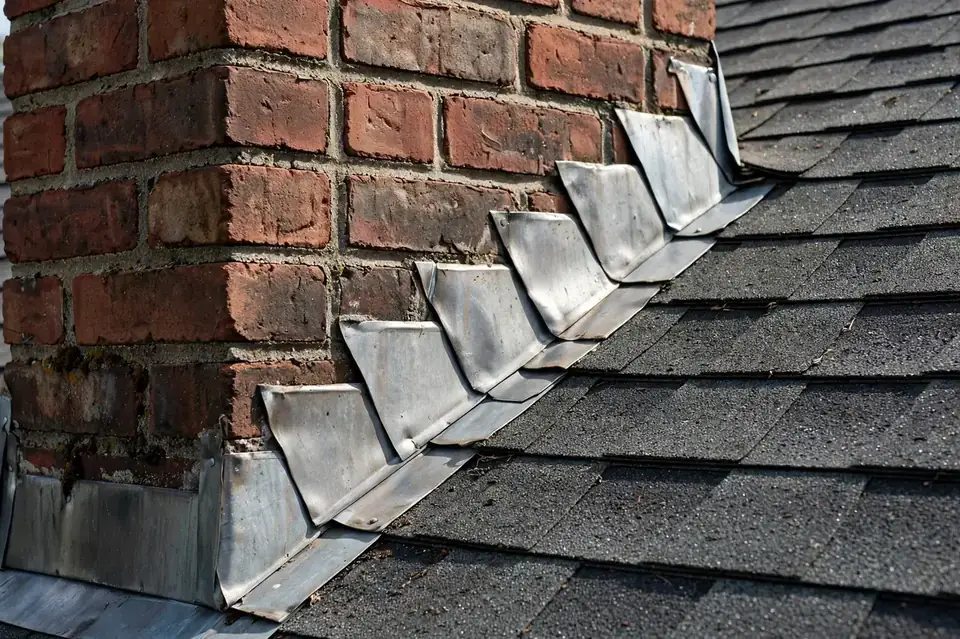
Chimney flashing repair on a Weehawken NJ home
Illustrative roofing image — not an actual customer project.

Chimney Leak and Flashing Repair Services

Specific repairs for the joint where the chimney meets the roof — not generic roofing definitions:

Step Flashing Replacement

Corroded or wind-lifted step flashing is removed and replaced piece by piece, each L-shaped section woven into the shingle course and lapped to shed water downhill.

Counterflashing Rebuild

The outer metal layer is reset into the brickwork — reglets re-cut where needed and counterflashing embedded in fresh mortar, so the joint is mechanical, not just caulked.

Mortar Joint Repointing

Deteriorated mortar at the flashing line is raked out and repointed. Counterflashing is only as good as the mortar holding it; loose joints get rebuilt, not sealed over.

Chimney Cricket Installation

On the uphill side of wide chimneys, a cricket (saddle) diverts water around the masonry instead of letting it pond against the back flashing — where many "mystery" leaks start.

Leak Source Diagnosis

Water entry is traced to its actual point — flashing joint, cap, or masonry — before any work is scoped. The stain inside is rarely directly below the failure.

Flashing-to-Masonry Transitions

Where the metal system meets brick, stone, or siding, transitions are rebuilt with compatible materials and proper laps so dissimilar materials don't work against each other.

Signs Chimney Flashing Needs Repair

Rust streaks below the chimney

Orange-brown staining running from the chimney base onto shingles. May indicate: corroding flashing or fasteners bleeding outward. Next step: have the metal condition checked before it perforates.

White powdery oxidation on flashing

Chalky residue on visible flashing edges. May indicate: salt air attacking the metal surface. Next step: oxidation means the protective layer is going — inspection time.

Stains on walls or ceilings near the chimney

Discoloration appearing beside or below the fireplace or flue. May indicate: water entering at the flashing joint and traveling. Next step: note whether it appears in all rain or only wind-driven rain.

Dampness only in wind-driven rain

Leaks that appear when rain comes sideways but not in calm rain. May indicate: separated flashing laps that calm rain can't reach. Next step: mention the wind connection — it narrows the diagnosis.

Previously sealed flashing failing again

A joint that was caulked before and is leaking again. May indicate: sealant was used as the repair instead of the gasket. Next step: the joint likely needs rebuilding, not another bead of caulk.

Loose or lifted flashing pieces

Metal visibly pulling away from brick or shingles. May indicate: failed fasteners or deteriorated mortar joints. Next step: loose flashing admits every rain — don't wait on it.

Step and Counterflashing Solutions

How the joint gets rebuilt — technically specific, honestly scoped:

Step flashing

Individual L-shaped pieces, one per shingle course, woven into the field and lapped to shed water. Replacement means lifting surrounding shingles, swapping the failed pieces, and weaving everything back in.

Counterflashing

The outer layer that caps the step flashing, set into the brickwork. Proper counterflashing is embedded in a reglet — a cut mortar joint — not face-mounted with sealant, which is a temporary fix.

Metal compatibility

Flashing metals must be compatible with each other and the fasteners. Galvanized steel is the economical default; aluminum resists salt air better; copper lasts longest. Mixing copper against galvanized steel causes galvanic corrosion — the metals have to be specified as a system.

Stainless fasteners

Near the Hudson, standard fasteners corrode first and the flashing follows. Stainless or otherwise corrosion-resistant fasteners keep the assembly together for the life of the metal.

Scope and limitations: flashing repair fixes the joint. It does not fix a failing chimney cap, crumbling masonry, or structural chimney problems — those are separate issues with separate scopes, and a proper diagnosis tells them apart before work starts.

Chimney Flashing Repair Considerations for Weehawken Properties

  • Hudson river wind — gusts off the water drive rain uphill into flashing joints. Joints that would shed calm rain fine can fail in a nor'easter; repairs here get specified for wind, not just gravity.
  • Salt air exposure — airborne salt accelerates corrosion on flashing metals and fasteners, especially on waterfront-facing slopes. Metal and fastener choice matters more here than inland.
  • West-side vs waterfront building types — homes set back from the river see less direct salt spray but the same wind; waterfront-facing chimneys take the full combination. The exposure of your specific chimney shapes the material choice.
  • Older brick chimneys — Weehawken's housing stock includes plenty of aging masonry; mortar joints at the flashing line are often as deteriorated as the metal, and both need attention.
  • Roof access constraints — tight lots and multi-story buildings complicate staging around the chimney; safe access is a real part of planning the work.

Not every chimney faces the same exposure — but whichever conditions apply to yours will shape the inspection and the repair specification.

When Flashing Failure Becomes an Emergency in Weehawken

Flashing is the seal where the chimney meets the roof — the most leak-prone joint on most homes. Minor flashing wear can wait for a scheduled visit; wind-peeled or displaced flashing cannot.

Weehawken's riverfront blocks take driving wind head-on; flashing and ridge lines are the first details to check after a storm.

  • Water tracing the chimney — stains spreading outward from the chimney breast, or drips in the attic around the chase, point to a failed seal. On Weehawken's riverfront, windward sides wear fastest.
  • Flashing visibly lifted — metal bent back or daylight showing along the chimney base after wind leaves a direct path for rain. Weehawken's Hudson gusts hit hardest from the east — start your check there.
  • Saturated masonry — brick that stays dark and wet days after rain is absorbing water through failed flashing — stop the entry before it spreads. Coastal storms rake Weehawken's exposed blocks; check after every one.
  • Wind-driven rain entry — Weehawken's riverfront storms push rain sideways into chimney joints; stains that appear only during wind-driven rain point here.

On the Weehawken riverfront, the next gust is always coming: Emergency help →. Winter brings its own chimney problems — freeze-thaw splits old mortar and works flashing loose: Winter roof emergencies →

Need Chimney Flashing Repair in Weehawken?

Water near the chimney only gets worse. Call to discuss chimney flashing repair options for your Weehawken home.

Call (201) 330-4743

Masonry, Mortar and Cricket Considerations

How a chimney flashing job typically proceeds:

1

Inspection

The chimney base is examined piece by piece: metal condition across both flashing layers, every fastener, mortar joint soundness, and whether water entry matches the flashing or points to masonry or cap issues.

2

Findings

What's actually failing is documented — corroded step flashing, loose counterflashing, deteriorated mortar, missing cricket — with photos you can see.

3

Scope and estimate

The repair scope is defined from the findings: which pieces get replaced, what metal is specified, whether mortar or cricket work is included. You approve before work begins.

4

Agreed work and checks

The joint is rebuilt to the agreed scope, surrounding shingles woven back in, and the work checked — including whether the leak path is actually closed.

Repair vs Full Flashing Rebuild

Not every flashing problem needs the whole joint rebuilt — but some do. The distinction:

Localized repair may be enough

  • A few corroded step flashing pieces with sound neighbors
  • Counterflashing loose in one mortar section
  • Isolated fastener failure with intact metal
  • Mortar deterioration limited to the flashing line

Full rebuild may be appropriate

  • Widespread corrosion across both flashing layers
  • Counterflashing failed along most of the chimney
  • Wrong or incompatible metals installed previously
  • Chronic leaks after repeated patch repairs

A rebuild is only appropriate where the evidence supports it — and where the chimney masonry itself is sound enough to hold new flashing.

Chimney Flashing Repair Cost Factors

No invented prices — these are the factors that set the real number:

Extent of the failure

A few step flashing pieces versus a full two-layer rebuild around the chimney.

Specified metal

Galvanized steel, aluminum, and copper sit on a real cost ladder — and a real lifespan ladder near salt air.

Access to the chimney

Roof pitch, chimney height, and how the work area is reached all shape labor time.

Mortar and masonry condition

Sound joints versus repointing work needed before counterflashing can be set.

Related damage

Rotted decking or damaged shingles found around the chimney once the joint is opened.

Cricket work

Adding a cricket on wide chimneys is additional carpentry and flashing — worth it where ponding is the problem.

Weehawken Chimney Flashing FAQs

Why is my chimney flashing failing when the roof is relatively new?

Near the Hudson, flashing fails by chemistry, not age. Salt air corrodes flashing metals and fasteners faster than inland exposure — an assembly can fail while the shingles around it are still in good shape.

What's the white powder on my flashing?

Oxidation — salt air attacking the metal surface. It's an early warning that the protective layer is breaking down, not just cosmetic staining.

Can old and new flashing metals be mixed?

Only if they're compatible. Mixing copper against galvanized steel causes galvanic corrosion that destroys the joint. A proper repair specifies the metals as a system.

Is the leak the flashing or the chimney masonry?

That's exactly what the inspection determines. Flashing failures show at the joint line; masonry problems show as deteriorated brick and mortar higher up. The two have different scopes and different fixes — the diagnosis has to separate them before work starts.

Why do stainless fasteners matter so much?

Because near the river, standard fasteners corrode first — and once fasteners go, flashing pieces loosen and the joint opens. Corrosion-resistant fasteners keep the assembly together for the life of the metal.

How urgent is a chimney flashing leak?

More urgent than it looks. Water entering at the chimney travels into framing, sheathing, and interior finishes — and every rain widens the damage path. Active leaks deserve prompt attention; slow ones still shouldn't wait out the season.

What does a chimney flashing repair cost?

It depends on the extent of failure, the metal specified, access, mortar condition, and any related damage found on opening. No honest number exists before inspection — but the cost factors above are what set it.

Will the repair match the existing roof?

The surrounding shingles are lifted and woven back in during the work, so the roof surface looks as it did. The new flashing itself will look new — which, at a chimney base, is barely visible from the ground.

Related Roofing Services

Chimney flashing is often the first joint to go — these cover the rest of the roof:

Roof repair Weehawken NJ

Roof Repair in Weehawken

The full roof picture — leaks, shingles, and storm damage beyond the chimney.

Weehawken roof repair
Dormer repair Weehawken NJ

Dormer Repair

Dormer flashing details fail on a similar timeline to chimney flashing.

Dormer repair
Ridge cap repair Weehawken NJ

Ridge Cap Repair

What river wind and corroding fasteners do to the roof peak.

Ridge cap repair

Need Chimney Flashing Repair in Weehawken, NJ?

Rust streaks, stains near the chimney, or leaks in wind-driven rain — call now to discuss chimney flashing repair for your Weehawken home.

Call Now — (201) 330-4743

Emergency calls answered 24/7.

☎ Call (201) 330-4743