NORTH BERGEN · RIDGE CAP & RIDGE SHINGLE REPAIRS
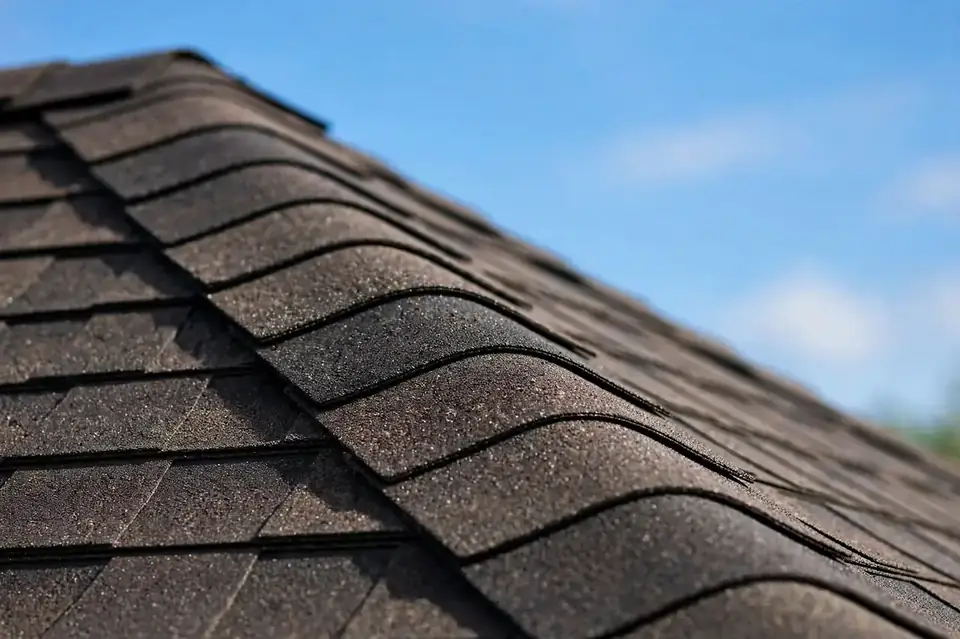
The ridge is the most wind-exposed line on any roof — and the damage that costs money is the kind you can't see from the driveway. Lifted caps, broken seals, and missing sections get repaired before they become leaks.

The right fix depends on how the ridge failed — a few lifted caps and a wind-shredded peak are different jobs:
Caps that have lifted but aren't cracked or missing can be re-bonded and re-fastened — new sealant bond, ring-shank nails set correctly, and the cap pressed back into the line.
When one run took the storm damage, only that section is stripped and rebuilt — new caps lapped to shed with the prevailing wind, tied into the sound ridge on either side.
When caps are failing ridge-wide from age — brittle, curling, sealant released along the whole peak — the full run is rebuilt for a uniform, lift-free profile.
Cracked vent sections, failed end caps, and poor fastening are repaired or replaced — the vent is a separate system from the caps and fails on its own terms.
Backed-out or corroded nails replaced, adhesive bonds renewed between caps — the two things actually holding the ridge down, restored.
After wind events, the full ridge line is checked cap by cap — seating, alignment, fasteners, sealant, vent condition — so hidden damage is found before the next rain.
The peak should read as one clean, straight line. What it may indicate: wind displacement or released sealant. Next step: any jog in the ridge line deserves a closer look.
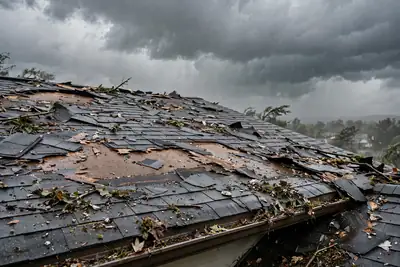
Bare spots along the peak, sometimes with underlayment showing. What it may indicate: caps torn off by wind — the roof's highest point is now open. Next step: treat as urgent; rain enters with no slope to shed it.
Cap shingles splitting or cupping along the peak. What it may indicate: age and UV breakdown of the cap material. Next step: brittle caps won't re-seal; replacement is the durable answer.
Piles of protective granules washing out at downspouts. What it may indicate: caps flexing and lifting in storms, shedding their coating. Next step: note it after the next wind event — it's an early warning.
Light visible where the peak should be sealed. What it may indicate: a breach through caps, vent, and underlayment alike. Next step: this one is confirmed — arrange the repair.
A loose cap rattling or slapping during gusts. What it may indicate: sealant released, caps hanging on nails alone. Next step: a loose cap announces itself before it's visible — don't wait for it to leave.
Ridge repairs live or die on compatibility — the new work has to integrate with the existing roof:
Pre-folded caps, thicker than field shingles, bent to straddle both slopes. High-profile caps cast a shadow line and resist uplift better — worth specifying on an exposed ridge.
The ventilated alternative to solid caps: a low-profile vent exhausting attic air while baffling out weather. Many roofs carry both caps and vent sections — each fails independently and each gets inspected.
Factory adhesive strips heat-bond caps together; the bond ages out and embrittles. Re-bonding uses fresh sealant rated for the exposure — the bond is what keeps caps from becoming sails.
Ring-shank nails grip far better than smooth nails against uplift. Nailing must hit the shingle below at the right height and count — too high or too few shows up years later as the first caps to go.
Matching matters. Caps come in profiles and colors matched to common shingle lines; on a partial repair the goal is the closest compatible match. On older roofs an exact match may not exist — the specified profile should be stated before work starts.
Ridge caps guard the most exposed seam on the roof. A single missing cap is often just a repair — but wind rarely takes just one, and an open ridge line channels water straight into the roof.
Across North Bergen's mix of homes and low-rise commercial buildings, flat and low-slope sections fail first — check them after every storm.
In North Bergen, check flat sections first — then call before the next rain: Emergency help →
Lifted caps, a crooked ridge line, or a peak exposed after wind — call to discuss ridge cap repair options in North Bergen.
Call (201) 330-4743The typical workflow, from first look to finished ridge:
The full ridge line is checked cap by cap — seating, alignment, fasteners, sealant bond, vent integrity, and the underlayment beneath any gaps.
What's damaged, what's sound, and what the under-ridge inspection revealed — including water damage that may have been admitting rain longer than the missing caps suggest.
Partial re-cap or full peak, cap profile and fastening specified, vent work included or not — the scope is agreed before anything is stripped.
Failed caps stripped, new work installed with proper nailing and sealant, fasteners sealed — and the full ridge verified for a clean, continuous, lift-free profile.
Storm damage to one run usually means a partial re-cap. Ridge-wide age failure means something bigger. The under-ridge inspection — invisible from the ground — is what determines the real scope:
Ridge work prices by the run — no invented figures, but these are the factors that set the number:
How much ridge needs re-capping — a short damaged run and a full peak are very different jobs.
Sound vent and underlayment versus water damage found once caps are stripped.
Standard versus high-profile caps, and the specified nailing pattern — exposure-rated detailing costs more and holds longer.
Steeper pitches and taller buildings add safety setup and slow the work.
Whether the ridge vent needs partial or full replacement alongside the caps.
Hillside lots and tight properties complicate getting people and materials to the peak.
Sight along the peak — it should be one clean straight line. Crooked, lifted, or missing caps show from the ground, as do granule piles in gutters after wind. From the attic, daylight along the ridge confirms a breach. A flapping sound in high wind is often the first clue.
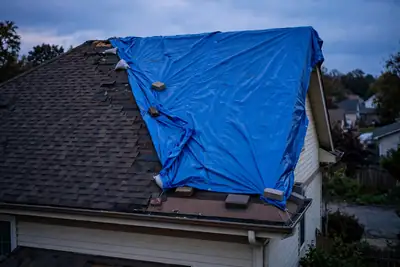
Very. The ridge is the roof's highest point, so any opening admits rain directly with no slope to shed it — and wind-driven rain enters horizontally under lifted caps. Emergency tarping secures the peak against the next rain while the permanent re-cap is scheduled.
Yes. One missing cap is an opening; three is a pattern that spreads. A lifted cap also changes the ridge's aerodynamics — the exposed edge catches the next gust and takes neighboring caps with it.
Cap shingles are solid folded shingles covering the peak; a ridge vent is a ventilated system replacing some or all of them, exhausting attic air while baffling out weather. Many roofs have both. Each fails independently, so both get inspected.
Storm damage to one run usually means a partial re-cap. But ridge-wide age failure, or a vent deteriorated along its length, makes a full-peak re-cap the durable answer. The under-ridge inspection decides.
Caps come in profiles and colors matched to common shingle lines; on a partial repair the goal is the closest compatible match. On older roofs an exact match may not exist — the specified profile should be stated before work starts.
Linear feet needing re-capping, what's found under the ridge, the cap profile and fastening specified, roof steepness and height, whether vent work is included, and access to the peak. A firm figure only exists after inspection.
Wind that takes ridge caps rarely stops there:

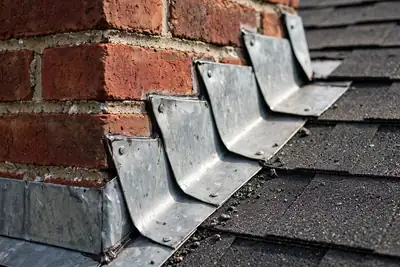
The other wind-vulnerable detail on exposed roofs — flashing rebuilt where brick meets roof.
Flashing repair
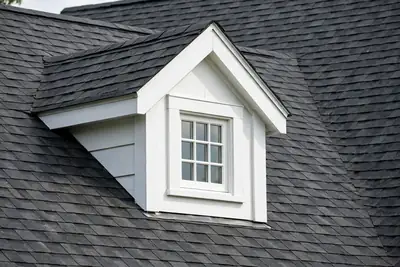
Why stains appear far from the breach — dormer flashing, siding transitions, and valleys.
Dormer repair

A bare ridge is an open roof — urgent response when the peak is exposed.
Emergency helpA crooked ridge line, lifted caps, or a peak exposed after wind — call now to discuss ridge cap repair for your North Bergen home.
Call Now — (201) 330-4743Emergency calls answered 24/7.