24/7 Emergency Roof Repair — Weehawken, NJCall (201) 330-4743
Union City Roof Repair

Ridge Cap Repair in Weehawken, NJ

Weehawken has two roof worlds — waterfront mid-rises and west-side capes — and the river wind punishes both. Ridge, coping, and edge metal repaired and documented.

  • Same-day ridge cap repair service in Weehawken
  • No obligation
  • Local Weehawken roofers
Call (201) 330-4743

Emergency? We answer 24/7.

Ridge cap repair Weehawken NJ

The Peak Has No Slope to Hide Behind

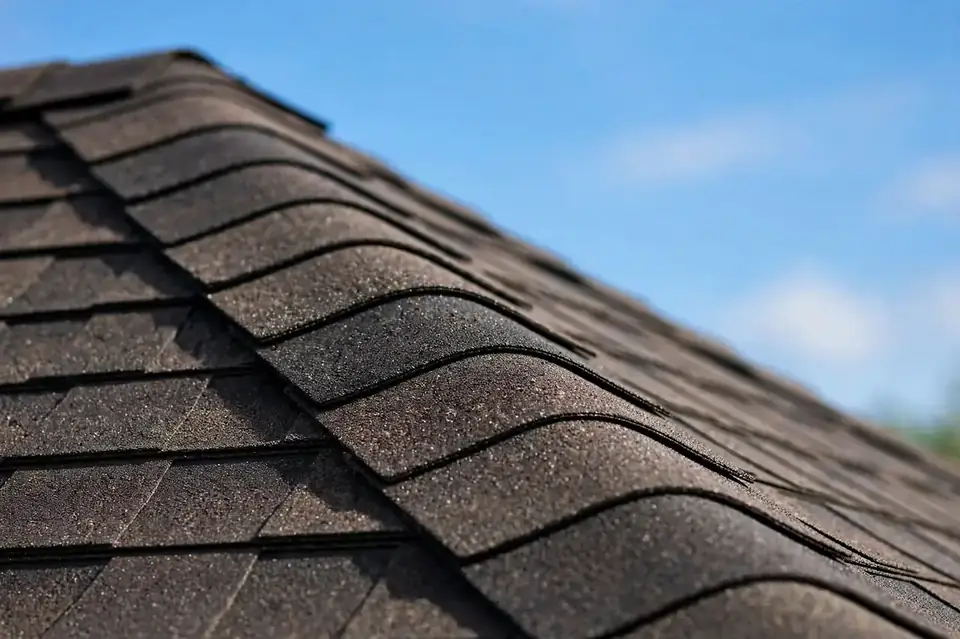
A pitched roof's two slopes meet at the peak, and the ridge cap closes that meeting — folded cap shingles, or a vented ridge system, running the full length of the top. Everywhere else, gravity and slope shed water together. At the ridge there is no slope: the caps sit fully exposed at the very top, held by fasteners and sealant alone.

In Weehawken the attack has a waterfront character. Wind comes off the Hudson with river fetch behind it — sustained, salt-laden, aimed at the roof's most exposed line, striking it edge-on from both slopes at once. Caps flex with every gust, working fasteners loose over seasons. And where the ridge is vented rather than solid caps, the vent's metal components sit in the same salt air corroding every other metal detail near the river. The ridge fails two ways here: caps lifting off, and vent metal corroding out. Both open the peak, admitting rain straight down into the roof system.

Reading the Ridge From the Street

The peak should be a single clean line. Anything else is information:

Caps sitting crooked, lifted, or missing

— the wind signature; one lifted cap catches the next gust and takes neighbors with it.

Rust staining along the ridge line

— corroding vent metal or fasteners bleeding onto caps; the salt-air tell.

Cracked or crumbling ridge vent sections

— gaps in a vented ridge where the vent body has failed.

Granule wash in gutters after wind

— caps shedding coating as they flex.

Daylight in the attic along the peak

— an open ridge admitting weather directly.

Rattling or flapping in high wind

— loose caps or vent sections moving before they're visibly displaced.

Rust on the ridge is the sign most homeowners misread. It's not cosmetic — it's metal corroding, and corroded metal doesn't hold caps.

Wind, Salt, and the Sealant Clock

  • River wind uplift is the mechanical driver: sustained gusts flex caps at their leading edges, working nails looser and fatiguing the sealant bond with every cycle.
  • Sealant aging runs its own clock — adhesive strips embrittle with heat and UV until caps hang on fasteners alone.
  • Salt-air corrosion then attacks exactly those fasteners, plus metal vent components: nail heads rust, vent end caps pit, and the remaining mechanical hold dissolves.
  • Thermal cycling backs nails out over the years.
  • Installation gaps — too few nails, nails gripping thin air — set the failure date in advance. The pattern holds: sealant dies first, fasteners corrode second, wind finishes third.

What a Roofer Inspects at the Peak

Cap seating across the full ridge

— lifted edges, lateral shift, caps that move when pressed.

Fastener condition

— backed-out nails, and critically, rusted heads signaling salt-air attack on the mechanical hold.

Ridge vent body and end caps

— cracks, corrosion, crushed sections, firm fastening.

Sealant bond between caps

— released strips leaving caps held by nails alone.

Underlayment where caps are missing

— the last defense, checked for exposure damage.

Top courses of field shingles

— peak wind damage rarely stops at the peak.

On a vented ridge near the water, the vent's metal condition can matter more than the caps' — a sound cap over a corroded vent is a future repair.

How Ridge Cap Repair Is Performed

1

Clear the failed run

Loose, missing, or damaged caps are removed along the affected stretch, exposing vent and underlayment for assessment.

2

Address the metal

Corroded vent sections, failed end caps, and rusted fasteners are replaced — on a waterfront ridge, as important as the caps themselves.

3

Set new caps

Replacements go on with proper nailing and fresh sealant bond, lapped with the prevailing wind, on corrosion-resistant fasteners.

4

Seal and sight the line

Exposed fasteners sealed; the full ridge checked for one continuous, lift-free profile with no rattle or gap.

Partial or full peak? One storm's damage to one run is usually a partial job. But ridge-wide age failure, or a vent corroded along its length, makes a full-peak re-cap the durable answer. Salt air doesn't corrode one vent section and spare the rest — the under-cap inspection is what justifies either scope.

Caps, Vents, and Fasteners — in Plain Terms

Ridge cap shingles

are pre-folded and thicker than field shingles, made to straddle the peak; high-profile versions resist uplift better — worth asking about on an exposed ridge.

A ridge vent is the ventilated alternative, exhausting attic air while baffling out weather, built with metal that corrodes in salt air.

Sealant strips

are the factory adhesive with a finite life.

Ring-shank nails

grip far better than smooth against uplift.

And near the river, fastener metal deserves its own question: standard steel rusts, stainless holds. The caps get the attention; the fasteners often decide the outcome.

Roof repair Weehawken NJ
Weehawken, NJ — river wind finds the roof's highest line.

River Wind Meets the Ridge Line

Weehawken's ridges face double exposure: sustained Hudson wind, carrying salt, striking the most wind-vulnerable line edge-on. The salt matters as much as the wind — corroding vent metal and fasteners while the sealant ages out on its own schedule, so the mechanical backup erodes exactly as it's needed most. Mid-rise buildings put many ridges several stories up; west-side capes keep theirs accessible — different logistics, same failure mechanics. After any strong river wind event, the ridge is the first place to check.

What to Expect When You Call

We'll connect you with a local roofer who handles ridge work. Mention whether caps are visibly missing or the issue is subtler (rust staining, rattling), whether the ridge is vented or solid, and whether damage followed a specific wind event. The roofer walks the full peak — not just the damaged stretch — and inspects vent and underlayment beneath. Before authorizing, ask whether the scope is full peak or partial run, whether the vent was assessed, and what fastener metal is specified.

Peak exposed after river wind?

An open ridge won't wait for a convenient appointment. Call (201) 330-4743 — 24/7. A roofer can secure the peak against incoming weather while the permanent repair is scheduled.

What Affects the Cost of Ridge Cap Repair?

  • Ridge work follows the run: linear feet being re-capped,
  • vent condition (caps-only vs. vent replacement — the common waterfront adder),
  • fastener and cap specification,
  • underlayment condition beneath exposed stretches, and
  • height and access. A short run and a full-peak re-cap with vent work are different jobs — the under-cap inspection tells you which one you're buying.

Related Weehawken Roofing Guides

The same salt air working on the ridge works on every metal detail. The chimney flashing guide covers the roof's most metal-intensive joint — where waterfront corrosion typically shows first. The dormer repair guide covers the flashing details most likely failing on the same timeline. And the Weehawken roof repair hub covers the full roof.

Weehawken Ridge Cap FAQ

Why is there rust along my ridge line?

Rust means metal is corroding — usually the ridge vent's components or the fasteners, attacked by salt air. It's not cosmetic: corroded fasteners lose grip, and a corroded vent admits wind-driven rain. Rust on the ridge is a repair signal, not a cleaning job.

Do I have ridge caps or a ridge vent?

Many roofs have both — vent sections along most of the peak, solid caps at the ends. A vented ridge looks lower and more continuous; solid caps show a shingle-by-shingle profile. Both fail independently, so both get inspected.

Can missing ridge caps wait?

Not through another weather event. The peak is the roof's highest point — openings admit rain straight down into the system, and wind exploits the exposed edge to take neighboring caps. A small repair grows with each storm it waits through.

Should the whole ridge be done if only part is damaged?

One storm's damage to one run is usually partial. But ridge-wide age failure, or a vent corroded along its length, makes a full-peak re-cap the durable answer. The under-cap inspection justifies either scope.

What fasteners should be used near the water?

Corrosion-resistant — stainless is the standard recommendation for salt air. Standard steel nails rust, and rusted nails don't hold caps. A small line item with outsized effect on the repair's lifespan; ask what's specified.

Two Roof Worlds, One River Wind. We Handle Both.

capes, mid-rises, and everything between.

Call (201) 330-4743

← Back to Roof Repair in Weehawken · Ridge cap repair in West New York →

Call (201) 330-4743 — 24/7