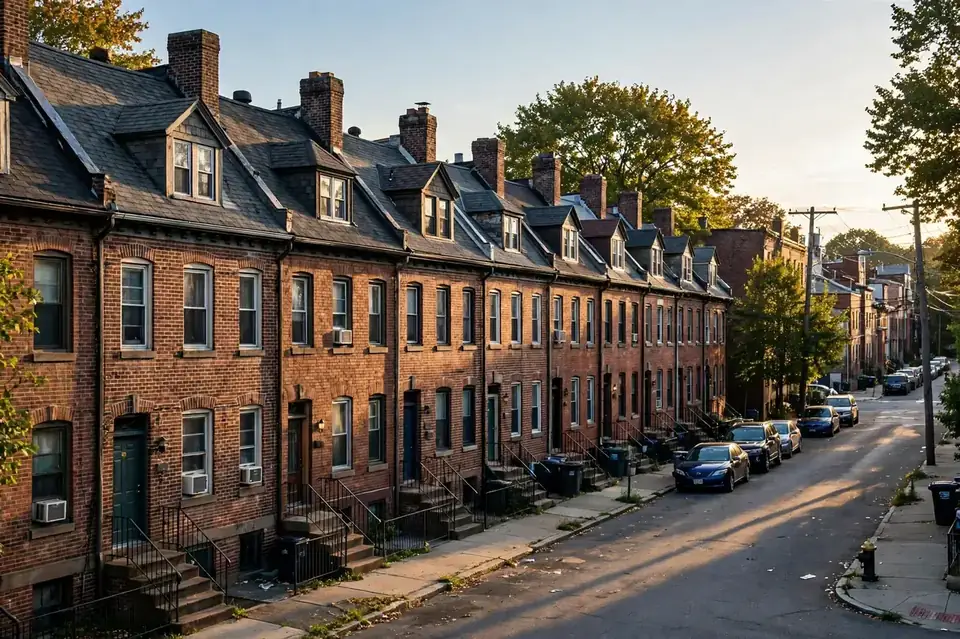
Tile roofs are rare in Union City — which is why most roofers walk away from them. We don't. Cracked tiles replaced, underlayment diagnosed, no shingle-roofer guesswork.
Emergency? We answer 24/7.

Here's what most tile roof owners don't realize: the tiles are not the waterproofing. On a tile roof, the tiles are the weathering surface — they take the sun, shed the bulk of the water, and protect what's beneath. The actual waterproofing is the underlayment, the membrane laid over the deck under the tiles. This distinction drives everything about tile repair: a cracked tile is a maintenance item, but a failed underlayment is a roof problem.
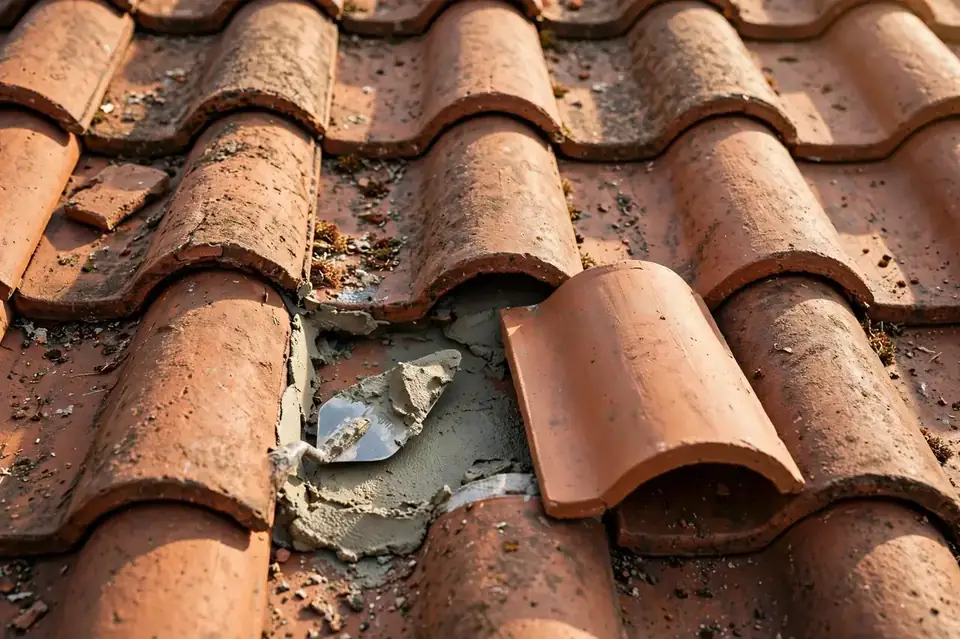
Tiles themselves are clay or concrete, hung or fastened to battens in overlapping courses. They're heavy, brittle, and excellent at shedding water — until one cracks or slips. Then the underlayment beneath takes direct exposure it was never meant to handle long-term. The repair question is always two-layered: fix the tile, and check what the exposure did to the membrane underneath.
Tile inspections are deliberately gentle — the inspector knows walking the roof can cause the damage they're looking for. When we connect you with a local roofer experienced with tile, the assessment typically includes:
The critical distinction the inspection makes: is this a tile problem (replace tiles) or an underlayment problem (bigger job)? Everything flows from that answer.
Broken and slipped tiles are marked across the roof so the repair is planned as a whole — not discovered tile by tile mid-job. The underlayment beneath each damaged area is assessed.
Adjacent tiles are carefully lifted (not removed) to access the damaged ones. This is skilled, patient work — rushed tile handling cracks the tiles you're trying to save.
Broken tiles come out; matching replacements go in, fastened correctly to battens or deck. Slipped tiles are reseated and refastened. Exposed underlayment gets patched or noted for larger attention.
The repaired sections are checked for proper overlap and drainage, valleys and transitions re-examined, and debris cleared so water flows the way the system was designed.

Describe what you're seeing: cracked or missing tiles, pieces in the yard, interior stains. If you know whether the tile is clay or concrete, say so — it helps match materials. Don't walk the roof yourself; you'll likely break more tiles. A local roofer with tile experience will assess from ladders and the attic first, then walk the roof only as needed, knowing where to step.
Call (201) 330-4743 — 24/7. Exposed underlayment needs emergency covering before the next rain, and a roofer can secure the section today.
Individual tiles can absolutely be replaced — it's the most common tile repair. Surrounding tiles are carefully lifted, the broken ones swapped for matches, and everything re-laid. A bigger job is only needed if the underlayment beneath is failing across wide areas.
That's the key diagnostic question. Visible cracked or slipped tiles are a tile problem. Interior water stains, widespread underlayment exposure, or a deck that shows staining from the attic side point to underlayment failure — a bigger scope. A roofer's inspection distinguishes the two.
Usually, for tiles still in production — the roofer matches profile, size, and color. Discontinued lines are harder and may require salvage sourcing. This is one reason to address tile damage while matches are still available rather than years later.
Not for homeowners — tiles crack underfoot, especially older clay. Even professionals step only on specific points (the lower third of tiles, over battens). If anyone needs roof access, make sure they know they're walking on tile.
How many tiles need replacing, whether matching tiles are available, the condition of the underlayment beneath, roof pitch and access, batten condition, and any hidden deck damage. Tile work is skilled and slow, so an on-site inspection is essential for an honest quote.
On tile roofs, an intact-looking surface with an interior leak usually means underlayment failure — the membrane beneath has aged out while the tiles still look good. Flashing failures at valleys, chimneys, or skylights are the other common cause. Both need professional diagnosis.
Free tile-literate estimates in Union City.
Call (201) 330-4743← Back to Roof Repair in Union City · Tile roof repair in Secaucus →