Check any Secaucus roof and the moss is always in the same place: the north slope. We treat the affected slopes, protect the landscaping, and prevent regrowth.
Emergency? We answer 24/7.

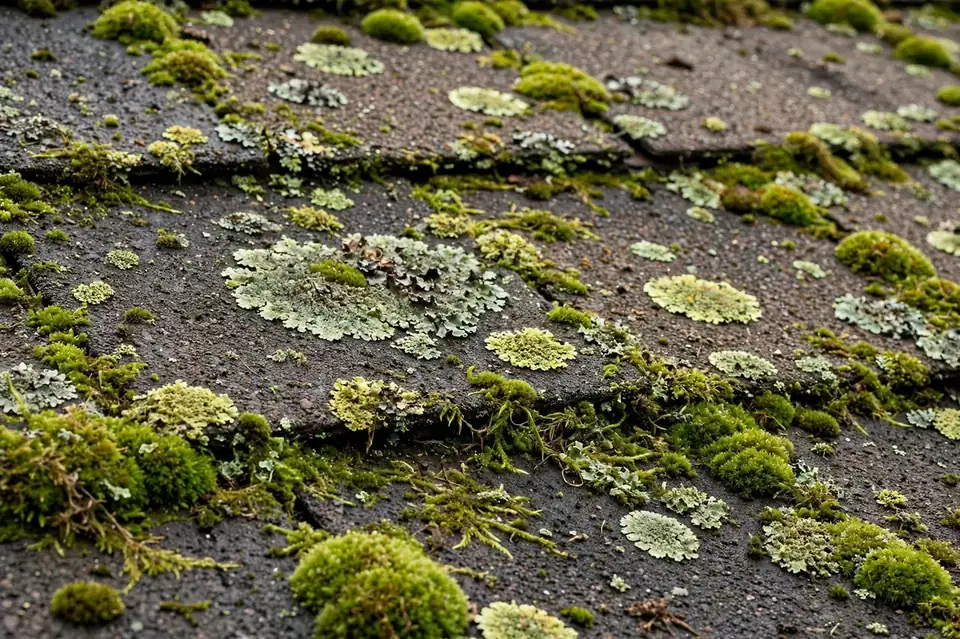
Moss looks cosmetic. It doesn't stay that way. Moss is a sponge: it absorbs rain and holds it against the shingle surface long after the rest of the roof has dried. That prolonged damp does three kinds of damage. First, it lifts shingle edges — moss under a tab pries it upward, and a lifted tab is a wind target. Second, freeze-thaw turns trapped water into a pry bar, popping protective granules off the mat winter after winter. Third, moss rhizoids work into the shingle surface itself, breaking it down from the outside in.
Moss starts on shaded, north-facing, tree-covered slopes — the places that dry slowest — and spreads from there. By the time it's visible from the street, it's usually been established for seasons. Moss on an otherwise sound roof is treatable; on a roof already past its service life, it just reveals what was already true.
Moss needs shade, moisture, and time. Shade comes from tree cover and north-facing slopes. Moisture comes from slow drying — in Secaucus, shaded lots near the Hackensack river greenway stay damp longest, which is why those roofs grow moss fastest. Debris on the roof holds moisture and gives spores a place to root.
Aging shingles are more vulnerable: as granules wear off, the exposed mat grips moss more readily — older roofs grow moss faster, and moss ages roofs faster. Poor drainage and clogged gutters extend drying time.
The roofer determines whether the shingles beneath are still serviceable — treatment only makes sense on a roof with life left in it.
A moss treatment is applied and left to work over days or weeks. It kills the colonies in place — this is chemistry, not force.
Once dead, moss is removed with soft brushing — never pressure washing — and gutters are cleared of the debris.
Options like zinc strips at the ridge (rain carries metal ions down the roof, inhibiting regrowth) and tree trimming are discussed.
Treatment is right when shingles under the moss are fundamentally sound — granules largely intact, tabs flat, no widespread lifting. Replacement is the honest call when removal would just expose a roof already past saving: granule adhesion gone, tabs curling on their own, soft decking beneath. A roofer should tell you which situation you're in even when the answer means less work. Cleaning a dying roof isn't maintenance.

The most common and most destructive mistake: never pressure wash a shingle roof. Pressure strips granules — the shingle's UV armor — far faster than moss ever could. What looks brilliantly clean afterward is a roof with years of life blasted off. Proper removal is always soft: treatment applied, time to work, dead material gently brushed away.
Soap or potassium-salt based products kill moss without the collateral damage of harsher chemistry. Bleach-based approaches harm landscaping, discolor siding, and corrode metal flashing — effective on moss, destructive around it. For prevention, zinc or copper strips near the ridge are the established method: rain washes trace metal ions down the slope, creating a surface moss struggles to colonize. And the unglamorous champion of prevention is tree trimming — sun and airflow do what no product can.
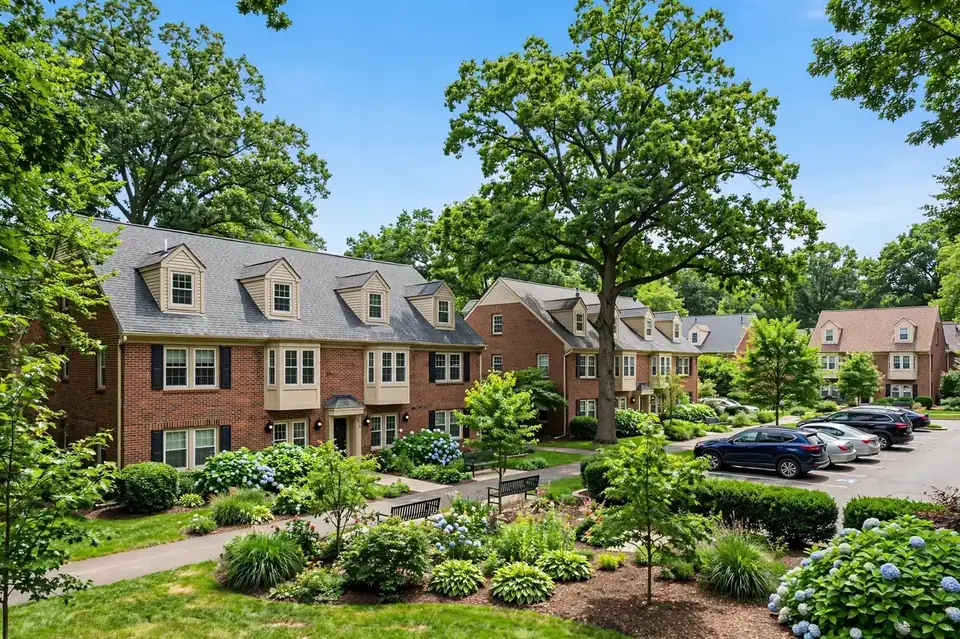
Lots near the Hackensack river greenway deserve special mention: mature tree shade plus river humidity keeps those roofs damp longest, and moss establishes faster and thicker there — prevention (trimming, zinc strips) matters as much as the initial treatment. For HOA-run garden-apartment and townhome buildings, remember the who-pays split: exterior roof maintenance is typically the association's responsibility, so raise a moss-covered shared roof with the property manager rather than handling it solo.
Once tabs start prying up, wind gets involved. Call (201) 330-4743 — we connect Secaucus homeowners with local roofers for assessment and soft treatment.
Mention which slopes are affected (north-facing? under trees?), how long the moss has been visible, and the roof's approximate age. Expect candor about whether treatment makes sense: the first question a good roofer asks is whether the shingles underneath are worth saving.
On timing: soft treatment isn't instant — the product needs days to weeks to kill established colonies, and dead moss may need a follow-up visit for gentle removal. If gutters are packed with moss debris, clearing them is usually part of the same visit.
On tile roofs in Secaucus, moss traps moisture in tile gaps and accelerates underlayment decay — evaluate both together. Because cleaning sometimes reveals hidden damage, a full Secaucus roof assessment after treatment confirms what the moss concealed. And moss holds moisture against metal, so chimney flashing buried in growth deserves a corrosion check.
It damages. Moss holds water against the shingle surface, lifts shingle edges so wind can catch them, and subjects the roof to repeated freeze-thaw prying that strips protective granules. What starts cosmetic becomes structural if left alone — the timeline is seasons, not weeks, but the direction is one-way.
Please don't. Pressure washing strips the granules that protect shingles from UV — it removes the moss and years of roof life at the same time. Proper removal is always chemical treatment followed by gentle brushing, never high pressure.
Days to weeks, depending on the product and colony maturity. Soft treatment kills moss in place through chemistry — dead material gets gently brushed away, sometimes on a follow-up visit. Anyone promising instant results is probably proposing pressure.
Eventually, yes, if the conditions that grew it don't change — shade, moisture, and time are persistent. Zinc or copper strips at the ridge inhibit regrowth, and trimming overhanging trees for sun and airflow is the most effective long-term step. Think of treatment as resetting the clock, not stopping it.
It depends on the product — soap and potassium-salt based treatments are far gentler on landscaping than bleach-based ones, which can damage plants and discolor siding. Ask what will be applied and what precautions the roofer takes for the yard below.
← Back to Roof Repair in Secaucus · Moss removal in Union City →