The ridge damage that costs you money is the kind you can't see from the driveway. Our post-storm inspections catch lifted caps and broken seals before they become leaks.
Emergency? We answer 24/7.

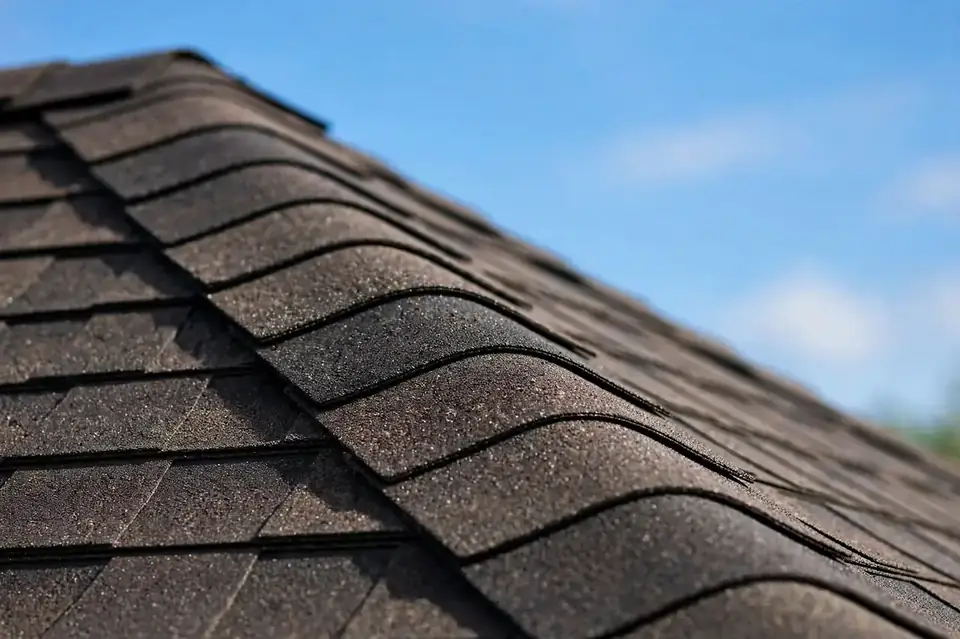
Every pitched roof has a weak line by design: the peak, where the two slopes meet. The ridge cap closes that gap — folded cap shingles (or a ridge vent system) running the peak's full length, shedding water to both slopes. It's the only part of the roof with no slope of its own, so it depends entirely on fasteners and sealant to stay put.
The peak should read as one clean, straight line. Anything else deserves a closer look:
One lifted cap never stays one for long — the exposed edge changes the ridge's aerodynamics, and the next storm finishes what the last one started.
Damaged, lifted, or missing caps are removed along the affected run, exposing vent and underlayment for inspection.
Vent sections, underlayment, and the ridge area are checked for water damage — a breached ridge may have admitted rain longer than the missing caps suggest.
Replacements go on with proper nailing and fresh sealant bond, lapped to shed with the prevailing wind.
Exposed fasteners sealed, vent end caps secured, and the full ridge checked for a clean, continuous, lift-free profile.
Partial or full peak? Storm damage to one run usually means a partial re-cap. But caps failing ridge-wide from age, or a vent deteriorated along its length, argue for the full peak. The under-ridge inspection — invisible from the ground — is what determines the real scope.

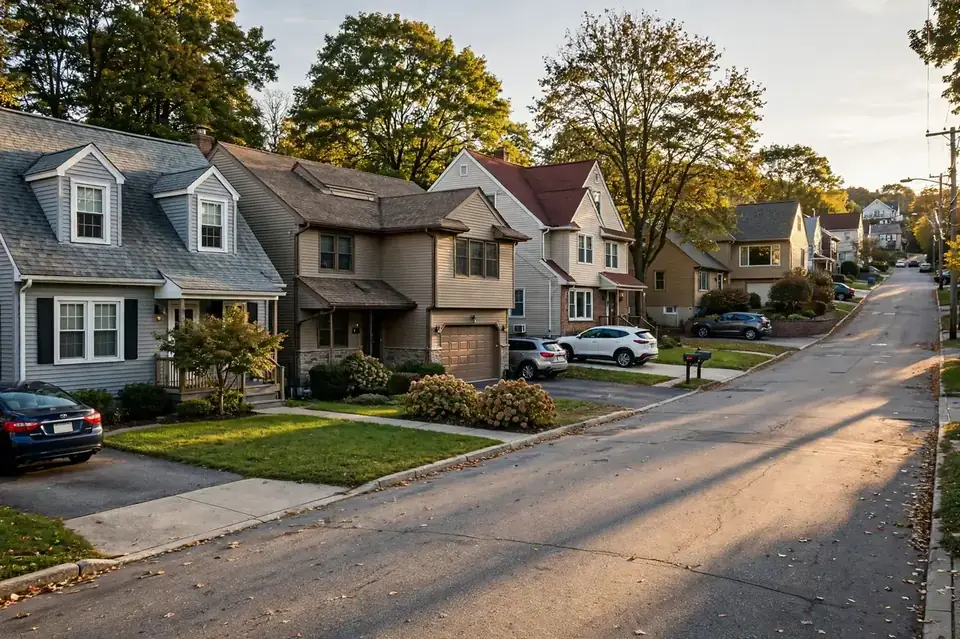
North Bergen's hilltop properties sit more exposed than the blocks below, and the ridge — already the most wind-exposed line on any roof — feels it double. Wind the slopes shed gets a second run at the peak, edge-on. The mixed housing stock adds a wrinkle: ridge detailing varies across vintages, from older three-tab caps to newer architectural profiles, with different nailing and sealant standards behind them. An older ridge on an exposed elevation is the combination most likely to shed caps in the season's first strong storm.
We'll connect you with a local roofer who handles ridge work. Mention whether caps are visibly missing or just lifted, any granule wash in the gutters, and whether damage followed a specific storm. The assessment covers the full ridge line — not just the damaged stretch — plus the vent and underlayment beneath. Before authorizing, ask whether the quote covers the full peak or a partial run, what cap profile and fastening is specified, and whether the ridge vent was inspected.
A bare ridge is an open roof. Call (201) 330-4743 — 24/7. A roofer can secure the peak against the next rain while the permanent re-cap is scheduled.
Sight along the peak — it should be one clean straight line. Crooked, lifted, or missing caps show from the ground, as do granule piles in gutters after wind. From the attic, daylight along the ridge confirms a breach. A flapping sound in high wind is often the first clue.
Yes. The ridge is the roof's highest point, so any opening admits rain directly into the system with no slope to shed it — and wind-driven rain enters horizontally under lifted caps. One missing cap is an opening; three is a pattern that spreads.
Cap shingles are solid folded shingles covering the peak; a ridge vent is a ventilated system replacing some or all of them, exhausting attic air while baffling out weather. Many roofs have both. Each fails independently, so both get inspected.
Storm damage to one run usually means a partial re-cap. But ridge-wide age failure, or a vent deteriorated along its length, makes a full-peak re-cap the durable answer. The under-ridge inspection decides.
Caps come in profiles and colors matched to common shingle lines; on a partial repair the goal is the closest compatible match. On older roofs an exact match may not exist — ask what profile is specified before work starts.
Free post-storm ridge inspections in North Bergen.
Call (201) 330-4743← Back to Roof Repair in North Bergen · Ridge cap repair in Weehawken →